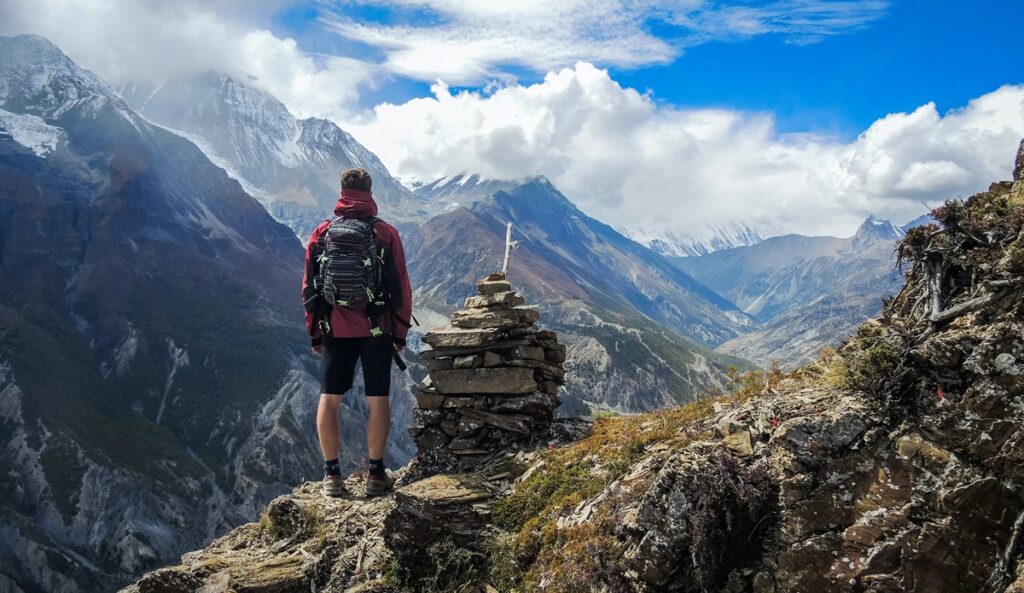
Yes, February can be an excellent month for trekking in India, but it depends on where you trek and what kind of experience you want. In many parts of the Himalayas, February is peak winter. That means deep snow, colder nights, and limited high-altitude access. At the same time, February is one of the best months for lower and mid-altitude Himalayan treks, as well as several Western Ghats and desert trails where the weather is pleasant and the views are clear.
This detailed guide explains:
- What February trekking conditions feel like in different regions
- Which treks are best in February (snow treks, forest treks, and warm-weather treks)
- Fitness and packing checklist for first-timers
- How to choose between Himachal, Uttarakhand, Kashmir, North East, and South India treks
- Common mistakes that cause altitude sickness, cold injuries, and itinerary failures
For February travel planning across destinations (including hill stations and winter comfort), you may also find these helpful: Best hill stations in February | Himachal in February | Uttarakhand in February
Quick navigation
- Quick answer: February trekking in India (who should do it)
- February trekking weather in India: what changes by region
- Snow treks vs non-snow treks: what to choose
- Best treks in India in February (trail-by-trail explanation)
- Best February treks for beginners
- Is February trekking okay for families and first-time hikers?
- Packing list and gear guide for February treks
- Fitness prep for February treks (simple plan)
- Safety: snow, altitude, and weather risks (practical tips)
- People Also Ask FAQs
Quick answer: Is February good for trekking in India?
February is good for trekking in India if you:
- Choose the right altitude and region (not every Himalayan trail is accessible in February)
- Are comfortable with cold mornings and winter layers
- Prefer clearer skies and crisp visibility (often better than monsoon months)
- Want snow trekking experiences (where permitted and guided)
February may not be ideal if you:
- Want very high-altitude summer treks (many routes are snow-blocked)
- Dislike cold weather or can’t handle early-morning winter starts
- Need guaranteed dry trails (snow treks can be slippery and slow)
February trekking weather in India: what changes by region
1) Uttarakhand (winter trekking sweet spot for many beginner-friendly routes)
Uttarakhand in February has cold nights and pleasant daytime hiking on non-snow routes. Many popular winter treks are designed for this season, and the region has good trek infrastructure. If you’re planning an Uttarakhand February holiday alongside trekking, this guide helps: Uttarakhand in February.
2) Himachal Pradesh (great winter trails + scenic snow views)
Himachal in February offers a strong mix: winter landscapes, pine forests, and snow in higher areas. Treks vary from easy day hikes to snow routes. If you’re pairing trekking with a hill holiday, see: Himachal in February.
3) Kashmir (beautiful but more weather-sensitive)
Kashmir in February can be stunning for snow landscapes. Trekking options are more limited because deep snow and conditions restrict access. If your goal is snow scenery rather than long hiking routes, it can still be rewarding. For snow planning, see: Gulmarg in February.
4) North East India (cool weather, forest trails, and offbeat routes)
North East regions can be excellent in February for nature walks and moderate hikes with scenic views. It’s a different trekking vibe: more forest and ridge walks, less snow trekking. If you love offbeat travel, North East can be a strong February choice.
5) Western Ghats and South India (comfortable weather + green landscapes)
If you want trekking without snow and without extreme cold, February is one of the best times to trek in the Western Ghats and many South Indian hills. You get comfortable hiking temperatures and fewer weather disruptions compared to monsoon months.
Snow treks vs non-snow treks in February: what should you choose?
Snow treks (winter treks)
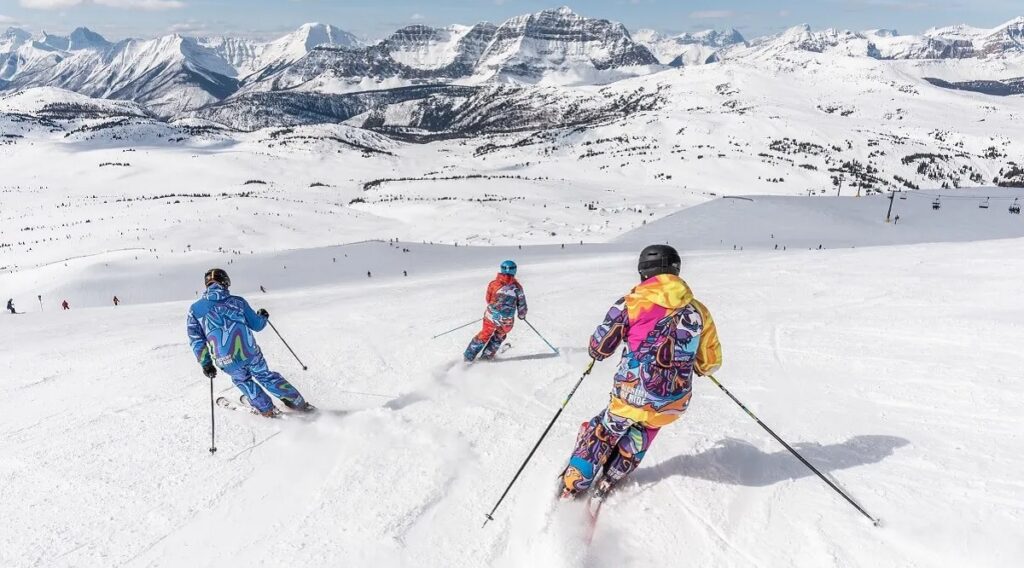
Snow treks in February can be magical: white forests, frozen streams, and dramatic mountain frames. But they are slower and more physically demanding, because walking in snow takes more energy. You also need better gear (microspikes/crampons depending on conditions) and stronger guidance.
Choose a snow trek if:
- You want a “winter adventure” experience
- You have decent fitness and can handle cold mornings
- You can trek with a guide/group and proper equipment
Non-snow treks (forest/ridge/desert treks)
Non-snow treks are usually more comfortable in February. Trails are clearer, walking speed is faster, and you can enjoy long hiking hours without heavy cold risk. These are often best for beginners and travellers who want trekking as part of a broader trip.
Choose a non-snow trek if:
- You’re a first-time trekker
- You want comfortable day hikes and scenic views
- You want to avoid technical winter gear
Best treks in India in February (trail-by-trail explanation)
Below are some of the best trekking options for February, explained in a practical way. Treks are grouped by type so you can match them to your comfort.
Category A: Best snow treks in February (guided winter treks)
1) Kedarkantha Trek (Uttarakhand) – beginner-friendly snow trek
Kedarkantha is one of the most popular winter treks in India because it’s accessible, scenic, and beginner-friendly with the right guidance. In February, you can expect snowy sections, cold nights, and a summit day that feels exciting without being too technical. If your goal is “first snow trek”, Kedarkantha is often a top recommendation.
- Best for: beginners who want a snow trek
- Difficulty: moderate (because of snow and altitude)
- What to expect: snowy forest sections, clear summit views (weather dependent)
- Time needed: usually 4–6 days depending on route
2) Brahmatal Trek (Uttarakhand) – snow + big mountain views
Brahmatal is loved for mountain views and winter landscapes. February usually gives strong snow trekking conditions. This trek is often chosen by people who want a winter experience with classic Himalayan panoramas.
- Best for: snow trekking + scenic views
- Difficulty: moderate
- What to expect: snow fields, ridge walks, mountain frames
3) Day hikes near Auli (Uttarakhand) – easier snow experience
If you’re not ready for a multi-day snow trek, Auli can still give you winter hiking experiences through shorter guided walks and day hikes. This is a safer and easier way for families and first-time travellers to enjoy snow scenery without committing to a long trek.
If you are already planning Auli/Uttarakhand in February, use: Uttarakhand in February.
Category B: Best February treks in Himachal (snow views + forest trails)
4) Triund Trek (Himachal) – short and beginner-friendly
Triund is a classic beginner trek near McLeod Ganj/Dharamshala. In February, there may be snow near the top depending on conditions, but it’s still one of the easiest ways to get Himalayan trekking exposure in a short time. If you’re doing Himachal in February, Triund is a good “test trek” for first-timers.
- Best for: first-time trekkers, short trip hikers
- Difficulty: easy to moderate
- Time needed: 1–2 days
5) Tosh / Kheerganga-style hikes (Himachal) – scenic village trails
These trails offer a mix of mountain village vibe and scenic hiking. February is cold, and higher stretches can have snow. Choose these hikes if you want trekking plus relaxed mountain stays.
- Best for: travellers who want trekking + mountain cafés + slow stays
- Difficulty: moderate
- Tip: avoid rushing, keep buffer for weather
6) Prashar Lake Trek (Himachal) – winter lake views
Prashar Lake is a popular winter trek option in Himachal. The landscape feels magical in snow conditions, and the trek is manageable for people with moderate fitness. In February, the cold is real, so gear matters.
- Best for: scenic winter hike without extreme altitude
- Difficulty: moderate
- What to expect: snow patches, lake views, winter camping vibe
If you’re planning a full Himachal week, this route may help: 7-day Himachal adventure guide.
Category C: Best February treks without snow (comfortable and beginner-friendly)
If you don’t want snow gear and extreme cold, February still gives excellent trekking options in many regions.
7) Western Ghats treks (South India) – comfortable February hiking
February is a strong month for Western Ghats hikes because the weather is pleasant and the trails are more stable compared to monsoon months. These treks are great for beginners and travellers who want scenic hill views, forests, and wildlife possibilities.
- Best for: beginners, families, people who dislike snow
- What to expect: forest paths, viewpoints, moderate climbs
- Tip: start early, carry water, and respect forest rules
8) Desert and semi-arid hikes (Rajasthan-style trails) – winter comfort
If your February trip is Rajasthan-based, walking trails, village walks, and short hikes can be surprisingly enjoyable because the weather is cool. It’s not “mountain trekking”, but it’s still hiking and exploration in a comfortable season.
Rajasthan planning reference: Rajasthan in February travel guide.
Best February treks for beginners (safe and realistic)
- Triund (Himachal): short, scenic, good first trek
- Kedarkantha (Uttarakhand): popular beginner snow trek (with a guide)
- Auli day hikes (Uttarakhand): easiest way to try snow hiking without multi-day commitment
- Western Ghats hikes: comfortable, non-snow trails
If you’re new to trekking, choose a trail where you can walk steadily without rushing. Your first trek should feel challenging but not punishing.
Is February trekking okay for families and first-time hikers?
It can be, but it depends on the route and the age group. For families with kids or senior travellers:
- Prefer day hikes or short overnight treks
- Avoid extreme altitude in winter
- Choose trails with easy exit options
- Keep a slow pace and carry enough warm layers
Good family-friendly February options often include Western Ghats hikes and short Himalayan day hikes where snow risk is manageable. For snow landscapes without long treks, consider a snow destination base like Gulmarg or Auli for gentle walks and scenic time: Gulmarg in February.
Packing list and gear guide for February treks
Clothing (layering is everything)
- Base layer: thermals (top and bottom)
- Mid layer: fleece / wool sweater
- Outer layer: warm jacket (windproof is a big plus)
- Rain/wind shell: optional but useful in changing weather
- Gloves + wool cap: essential for Himalayan February treks
- Extra socks: keep feet dry and warm
Footwear
- Trekking shoes with good grip: non-negotiable
- Microspikes/crampons: for snow treks (depends on operator and conditions)
Daypack essentials
- Water bottle + ORS
- Snacks (dry fruits, energy bars)
- Headlamp/torch
- Power bank (cold drains batteries faster)
- Basic medicines (headache, nausea, band-aids)
- Sunscreen and sunglasses (snow glare can be strong)
Fitness prep for February treks (simple plan)
You don’t need athlete-level fitness, but you do need consistent movement ability. Start preparation 3–4 weeks before your trek if possible.
- Week 1–2: brisk walks 30–45 minutes, 5 days a week
- Week 3: add stairs or hill walking, 3 days a week
- Week 4: longer walk 60–90 minutes once a week + regular walks
If you can walk 8–10 km comfortably in a day, you are generally in a decent baseline zone for beginner treks. Snow treks will still feel harder, but you’ll be better prepared.
Safety in February trekking: snow, altitude, and weather risks
1) Don’t ignore altitude symptoms
Headache, nausea, loss of appetite, and unusual fatigue can be early signs of altitude stress. Slow down. Hydrate. Don’t push summit goals if your body is not cooperating.
2) Start early (winter daylight is shorter)
In February, you want to finish major hiking sections before late afternoon. Weather can change and temperatures drop quickly after sunset.
3) Avoid solo winter treks if you’re a beginner
Snow conditions and route navigation in February can be tricky. For beginners, guided treks are safer and more enjoyable.
4) Carry enough layers and keep dry
Sweat and wind in winter can chill the body fast. Dress in layers, adjust while walking, and keep one dry set for evening.
5) Choose the right trek difficulty
Many trek failures happen because first-timers choose a trek that is too ambitious for February conditions. If you want a success-first experience, choose a beginner-friendly route and enjoy it properly.
People Also Ask (FAQs): February Trekking in India
Is February a good time for trekking in India?
Yes, February is a good time for trekking in India if you choose the right region. It’s excellent for winter treks in Uttarakhand and Himachal (with proper gear), and very comfortable for non-snow treks in the Western Ghats and several lower-altitude trails.
Which are the best snow treks in India in February?
Popular February snow treks include Kedarkantha and Brahmatal in Uttarakhand. In Himachal, some treks and day hikes may also offer snow views depending on conditions. Snow treks should be done with a guide and proper equipment.
Is February trekking safe for beginners?
Yes, it can be safe for beginners if you choose beginner-friendly treks, trek with a guide/group, pack proper winter layers, and keep a realistic pace. Avoid very high-altitude routes and don’t trek solo in snow conditions.
What should I pack for trekking in February in India?
Pack thermals, fleece/wool mid-layer, a warm jacket, gloves, wool cap, trekking shoes with good grip, extra socks, and a daypack with water, snacks, headlamp, basic medicines, sunscreen, and sunglasses. Snow treks may require microspikes depending on conditions.
Which is better for February trekking: Himachal or Uttarakhand?
Both are good. Uttarakhand is famous for structured winter treks like Kedarkantha and Brahmatal. Himachal offers excellent short treks and village trails and can be great for combining trekking with a hill holiday. Your choice depends on whether you want a multi-day snow trek or shorter hikes.
Are there good treks in February without snow?
Yes. February is excellent for Western Ghats treks and many lower-altitude forest and hill trails where the weather is comfortable and the paths are more stable. If you want trekking without winter snow gear, South India hikes are a strong choice.
Can I trek in Kashmir in February?
Kashmir in February is beautiful but more weather-sensitive for trekking. Deep snow can limit route access. It’s great for snow scenery and gentle winter walks, but longer treks are less reliable compared to spring and summer. For snow travel planning: Gulmarg in February.
How cold is trekking in February in the Himalayas?
It can be very cold, especially at night. Day temperatures can be manageable while walking, but early mornings and evenings can be freezing in higher areas. That’s why layering, gloves, and proper footwear matter a lot.