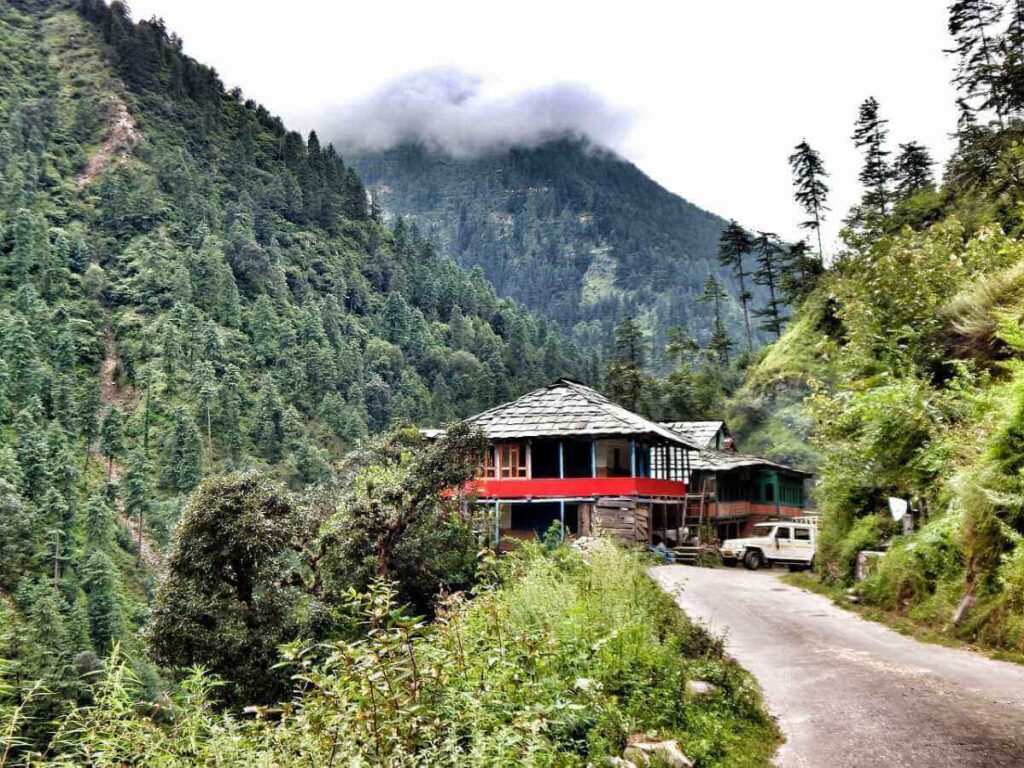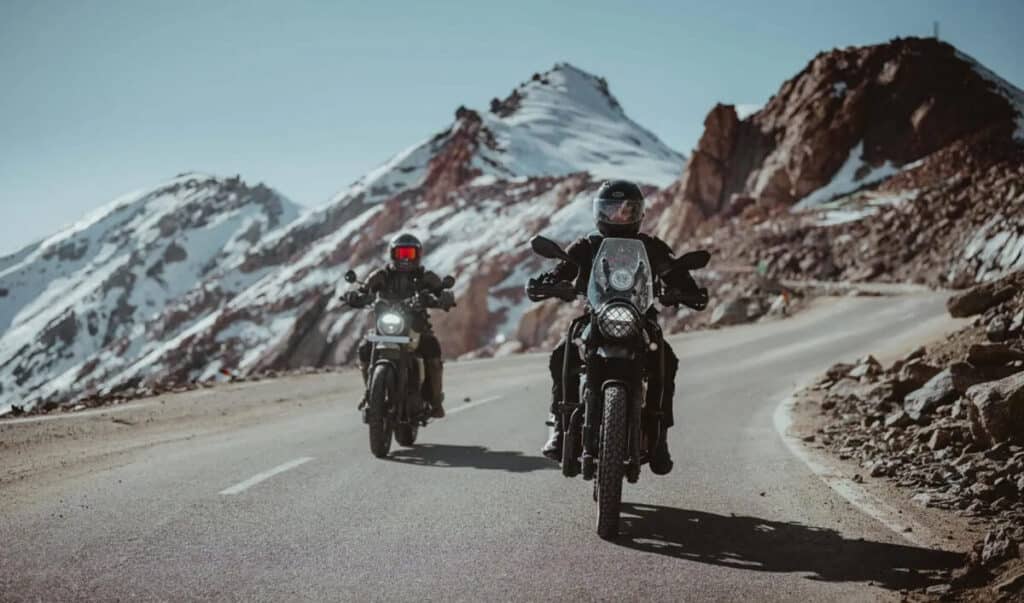
DayYour journey to Spiti Valley begins with one of the most iconic mountain roads in India — the ride from Manali to Rohtang Pass by bike. This stretch is not just a route but a rite of passage for every adventure biker. Covering around 50–55 kilometers, the road climbs rapidly from the green valleys of Manali to the snow-laced heights of Rohtang La (Pass), standing tall at 3,978 meters.
If you plan to cross Rohtang Pass by motorcycle, keep in mind that it’s open only between May and October, depending on snowfall. Starting your ride early in the morning from Manali is essential. The weather in the pass changes quickly, and late afternoons often bring clouds, fog, or even snow showers.
The road to Rohtang is steep, winding, and narrow at several points. Although it has been significantly improved in recent years, there can still be traffic congestion, landslides, or slushy patches depending on the season. An alternative and faster option is to go through the Atal Tunnel, which bypasses the pass and connects Manali to the Lahaul Valley directly. While the tunnel saves time and is open year-round, you’ll miss the scenic grandeur and biking thrill of Rohtang.
To legally cross Rohtang on a bike, you must get a Rohtang Pass permit for bikers, available online from the Himachal Pradesh tourism portal. You’ll need to present your bike’s documents and personal ID. Carry multiple printouts of the permit, especially if you’re on a rented bike.
The ascent to Rohtang is your first real taste of Himalayan adventure — with open roads, cascading waterfalls, snow peaks, and panoramic valleys. This leg of the journey sets the tone for the raw beauty that lies ahead in Spiti.
Gramphu to Batal by Bike
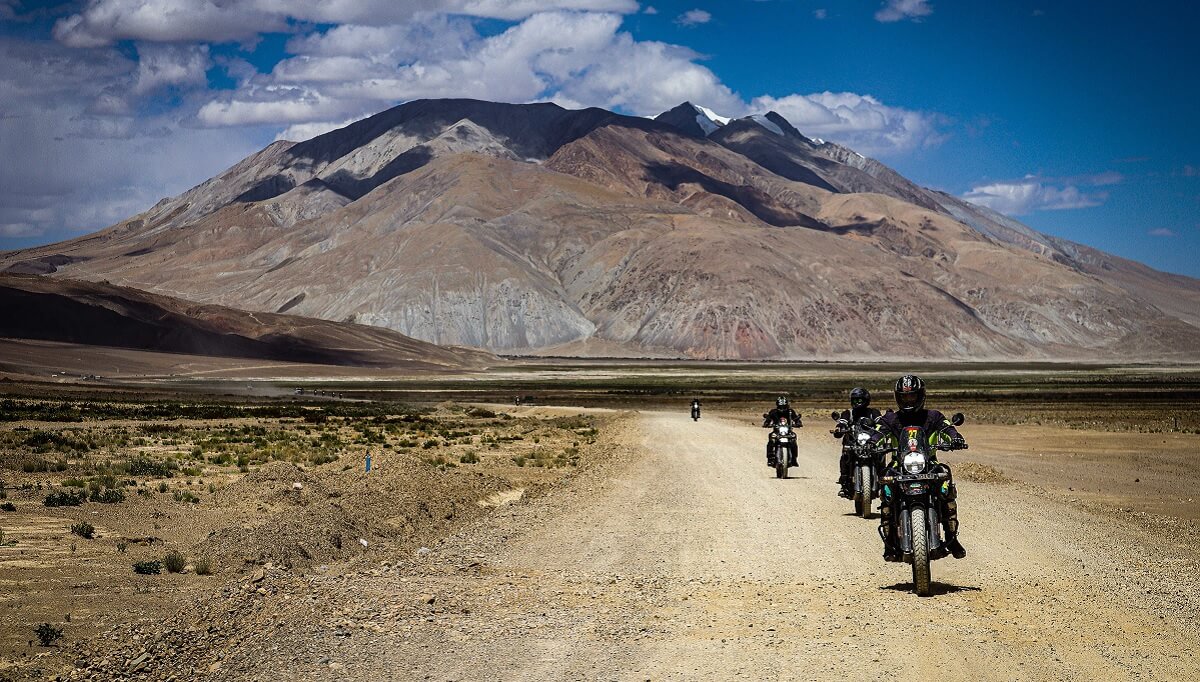
After crossing Rohtang Pass (or exiting the Atal Tunnel), the next leg of your journey leads from Gramphu to Batal by bike. This stretch, around 65 km long, is one of the most challenging and adventurous parts of the entire ride to Spiti Valley. It’s where the tarmac ends and true Himalayan off-roading begins.
From Gramphu, the road forks — one route goes to Leh via Keylong, and the other turns left towards Spiti Valley through Chhatru and Batal. The path quickly transitions from paved road to rocky tracks filled with loose stones, shallow river crossings, and narrow cliff-hugging bends. The route runs alongside the fast-flowing Chandra River, offering raw, unfiltered beauty and several heart-stopping views. Is Rohtang Pass Open in July 2025? A Detailed Travel Update and Guide
You’ll pass small hamlets like Chhatru and Chhota Dhara, which have a few roadside dhabas and tented accommodations. These are good spots to take breaks, grab some Maggi or chai, and adjust to the sudden change in altitude and terrain. The scenery in this stretch is absolutely surreal — barren mountains, glaciers, and wide riverbeds stretching into the distance.
There are no fuel stations or mobile networks in this zone. Make sure your bike is in top condition, and always carry an extra jerry can of petrol. You may also encounter temporary bridges and streams flowing over the road — drive slowly and never rush water crossings.
Batal is the last stop before you begin the climb to Kunzum Pass. It has a few tented camps, basic dhabas, and a PWD rest house. Many bikers choose to camp here overnight before continuing to Spiti the next day. Plan a July Getaway to Himachal – Weather & Itinerary Guide
Biking from Batal to Kunzum Pass
Once you leave Batal, the climb begins toward Kunzum Pass, one of the highest motorable passes in India at 4,590 meters. The ride from Batal to Kunzum Pass by bike is only about 15 km, but the terrain and altitude make it an intense and unforgettable stretch.
The dirt road zigzags upward, often surrounded by towering snow walls on both sides — especially in early summer. There are no guardrails, and the surface is loose, so maintaining balance and riding slowly is key. The cold winds, lack of oxygen, and increasing altitude will test your stamina and focus, especially if you’re not fully acclimatized.
At the top of Kunzum Pass, you’ll find a small temple dedicated to Kunzum Devi, adorned with prayer flags fluttering in the wind. It’s a local tradition to stop here and offer prayers for safe passage through the mountains. The views from the top are breathtaking — sweeping views of glaciers, peaks, and Spiti’s moon-like landscape in the distance.
Keep in mind that the pass is accessible only from late May to mid-October and remains closed for the rest of the year due to heavy snowfall. Before attempting this section, check road status updates and weather conditions, especially in September or October.
No food or fuel is available at Kunzum Top. It’s best to carry snacks, warm water, and layers of clothing, as temperatures can drop dramatically even in summer. After spending a few minutes here (don’t linger too long due to altitude), you begin your descent toward Losar, the gateway to Spiti Valley. Discover 12 Must-Visit Places in North India – September 2025
Kunzum Pass to Kaza by Bike
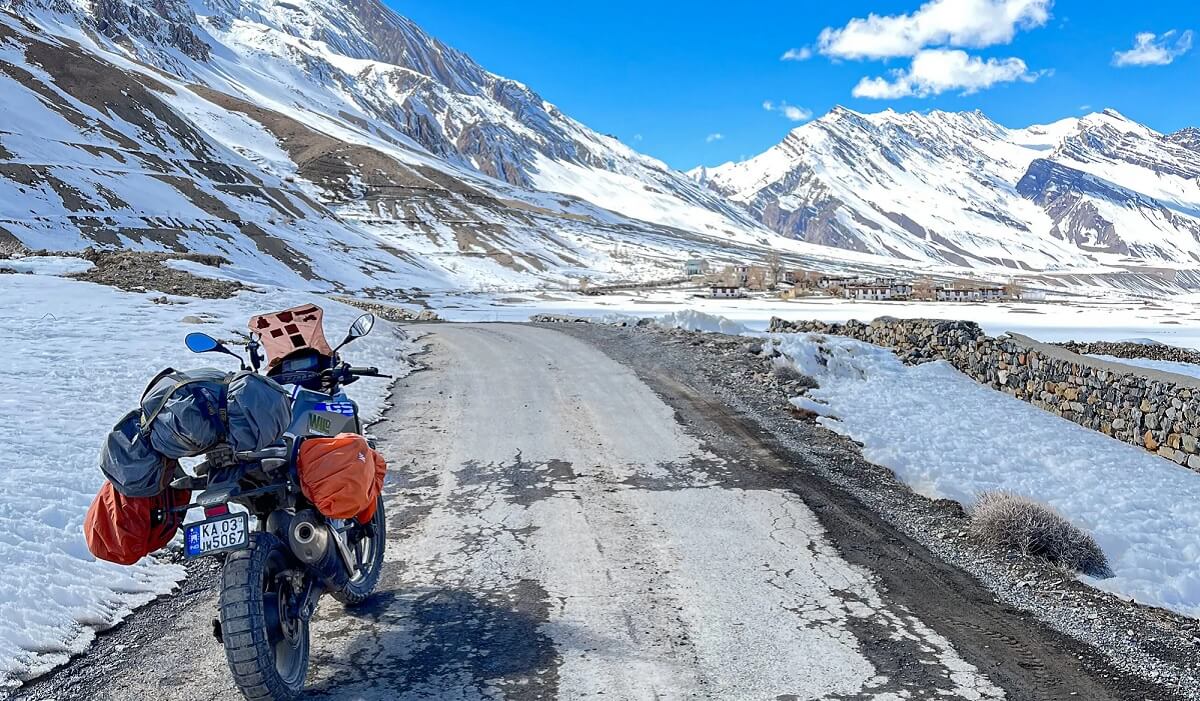
After conquering Kunzum Pass, you’ll begin your descent toward Spiti Valley’s village of Losar, eventually reaching the bustling town of Kaza. This leg — Kunzum Pass to Kaza by bike — is around 58 kilometers and offers a complete change in landscape as you enter the high-altitude cold desert region of Himachal Pradesh. Rohtang La in March: Weather, Attractions, Travel Tips
The first village you hit is Losar, a peaceful settlement at around 4,000 meters. It’s a good place to stop, rest, and grab a hot meal. You’ll find a few homestays and a check post where you may be asked to register your entry. If you’re feeling tired after the previous day’s ride, you can spend the night here before continuing to Kaza.
The road from Losar to Kaza gradually improves. Though it’s still rough and patchy in places, the wider tracks and fewer water crossings make it easier to handle. As you ride further into Spiti, the scenery transforms into wind-eroded cliffs, wide valleys, and scattered whitewashed villages with flat-roofed houses.
By the time you reach Kaza, you’ll be at the heart of Spiti. This town serves as the base for exploring popular nearby spots like Key Monastery, Kibber, Langza, Hikkim, and Komik. It also has the only petrol pump in Spiti, so fuel up fully when you arrive. You’ll find guesthouses, cafes, mechanic shops, and BSNL/Jio network coverage in most areas.
This final stretch is relatively relaxed compared to the terrain behind you, but it introduces you to the unique culture, landscape, and spiritual rhythm of Spiti. Congratulations — you’ve officially completed one of India’s most legendary biking routes.
Perfect! Let’s continue with the next three detailed sections of your blog in the same clear, descriptive, and SEO-optimized style (each ~250–300 words). Top 14 Places to Explore in Himachal Pradesh This September
Permits and Documents Needed for the Manali–Spiti Bike Ride
Before you kickstart your bike journey to Spiti Valley from Manali, make sure you have the right permits and documents for Spiti Valley bike travel, especially if you’re crossing high passes like Rohtang and heading toward border-sensitive areas. While the paperwork isn’t too complex, missing a permit can delay your travel or result in penalties at check posts.
- Rohtang Pass Permit (if not using Atal Tunnel)
If you plan to cross Rohtang Pass by bike, you’ll need a Rohtang Pass Permit issued by the Himachal Pradesh Tourism Department. This is mandatory for non-Himachal-registered vehicles and must be booked in advance online.
- Apply via: https://rohtangpermits.nic.in
- Required documents: DL, RC, pollution certificate
- Permit cost: Around ₹500 (may vary yearly)
Note: If you use the Atal Tunnel, you bypass Rohtang, and no permit is needed.
- ID Proof
Carry multiple photocopies of a valid government-issued ID (Aadhar, Passport, or DL). You may need to register at police or army check posts in Losar or near Kaza.
- Foreign Nationals – Inner Line Permit (ILP)
Foreigners riding to Spiti need an Inner Line Permit to visit sensitive border areas like Kibber, Tabo, or Kaurik. These can be obtained from the DC Office in Kaza or Shimla.
- Bike Documents
Make sure your bike’s documents are complete and valid:
- Registration Certificate (RC)
- Insurance papers
- Pollution Under Control certificate
- Rental agreement (if rented)
- Driving License
Always carry both physical and digital copies, and keep them in a waterproof folder for safety during rain or water crossings. Visit Mechuka Valley – Culture, Beauty & Travel Tips for 2025
What to Pack for a High-Altitude Motorcycle Trip to Spiti
Spiti Valley’s extreme weather and remote terrain demand smart, layered packing. Whether you’re riding in summer or shoulder seasons like September, you need to be ready for cold nights, high altitudes, and no mobile network zones. Here’s a practical motorbike travel packing list for Spiti Valley:
Riding Gear
- DOT/ISI certified full-face helmet
- Riding jacket with windproof and waterproof lining
- Riding gloves (warm and waterproof)
- Knee and elbow guards (if not built into your jacket/pants)
- Riding boots or sturdy trekking shoes
Clothing for Layering
- Base thermals (top and bottom)
- Full-sleeve t-shirts or dri-fit tops
- Insulating layer (fleece or light down jacket)
- Outer waterproof layer (windbreaker or raincoat)
- Extra pairs of socks (including woolen ones)
- Balaclava or neck gaiter
- Sunglasses with UV protection (for snow glare)
Even in peak summer, nights in places like Kunzum Pass or Losar can be below 5°C.
Bike Essentials
- Extra engine oil
- Spare tubes/tyre repair kit
- Portable air pump
- Chain lube and basic tools
- Spare clutch/brake levers and cables
- Bungee cords and a saddlebag or tank bag
- Personal Essentials
- Sunscreen (SPF 30+)
- Lip balm, cold cream
- Personal medicines + altitude sickness tablets
- Power bank and USB charging cables
- Water bottle and light snacks
- Offline maps and printed itinerary
Documents
As covered earlier: ID, RC, insurance, permits, DL, and rental paperwork.
Pack light, but pack smart. The weather can change in minutes, and you won’t find stores once you leave Manali until Kaza. Everything you carry must be compact, waterproof, and essential. Reach Pin Valley National Park – Complete Travel Guide
Best Time to Visit Spiti Valley by Bike
The route from Manali to Spiti Valley is seasonal and heavily dependent on weather conditions. The high-altitude passes like Rohtang and Kunzum remain closed during winter and early spring. Here’s a breakdown of the best months for a bike trip to Spiti from Manali:
June to Mid-July: Best for Scenic Greenery and Mild Roads
This is when Kunzum Pass reopens, and the valley begins to bloom after months of snow. Roads are accessible but still have water crossings and some rough patches. You’ll see waterfalls, melting glaciers, and fresh meadows.
- Pros: Green landscapes, moderate temperatures
- Cons: Early-season slush and unpredictable weather at high altitudes
Mid-July to August: Proceed with Caution (Monsoon Season)
This period brings monsoon rains to lower Himachal and increased risk of landslides near Rohtang and Gramphu. However, Spiti itself lies in a rain-shadow area, so weather is more stable there.
- Pros: Fewer tourists, dramatic clouds, and moody landscapes
- Cons: Risky water crossings, roadblocks en route to Spiti
September to Early October: Best Overall Time for Bike Travel
This is considered the safest and most beautiful window to visit Spiti. The skies are clear, temperatures are pleasant during the day, and autumn colors start to show.
- Pros: Stable roads, great visibility, fewer water crossings
- Cons: Nights can get cold, and some dhabas start shutting by late October
Late October to May: Route is Closed or Risky
Rohtang and Kunzum Pass are usually closed due to snow, and only locals with special vehicles attempt the journey. Not recommended unless you have winter overland experience and gear.
Ideal Window for Manali to Spiti Bike Trip:
Mid-June to early October for safety, beauty, and road accessibility.
Suggested 5-Day Itinerary for Manali to Spiti Valley Bike Trip
If you’re planning to cover Spiti Valley from Manali by bike, a 5- to 6-day itinerary is ideal for the route, exploration, and proper acclimatization. This suggested plan includes scenic stopovers, manageable riding distances, and top attractions en route. How to Reach Kheerganga Trek from Kasol: A Complete 2025 Guide for Trekkers
Day 1: Manali to Batal (via Atal Tunnel or Rohtang Pass)
- Distance: ~120 km
- Ride time: 6–7 hours
- Route: Manali → Atal Tunnel → Gramphu → Chhatru → Batal
Start early and enjoy the thrill of mountain biking as you pass waterfalls, glaciers, and rocky roads. You can camp at Batal or stay in a dhaba guesthouse. It’s cold and windy, so pack accordingly.
Day 2: Batal to Kaza (via Kunzum Pass & Losar)
- Distance: ~100 km
- Ride time: 5–6 hours
- Highlights: Kunzum Pass, Losar village
Climb up to Kunzum Pass and descend into the Spiti Valley. Stop at Losar for tea or lunch, then continue to Kaza, the largest town in Spiti.
3-Day: Local Sightseeing in Spiti (Key, Kibber, Hikkim)
- Ride distance: ~50 km
- Visit Key Monastery, the highest post office at Hikkim, Langza’s Buddha statue, and Komik village. Stay overnight in Kaza.
4-Day: Kaza to Chandratal (Optional overnight camp)
- Distance: ~95 km
- Road condition: Challenging
- Camp near Chandratal Lake if weather permits. Watch sunset and stargaze.
5-Day: Chandratal to Manali via Batal
Return via the same route, stop at Batal or Chhatru if tired, and end your journey in Manali by evening.
This route gives you a full taste of Spiti’s rugged terrain, peaceful monasteries, and surreal desert landscapes — all from the seat of your bike.
Frequently Asked Questions (FAQs) for Manali to Spiti Bike Riders
Q1. Is a bike ride from Manali to Spiti safe for beginners?
The ride is safe if you are physically fit, ride slowly, and prepare properly. Avoid rushing, especially on rough sections like Gramphu to Batal. A beginner should ideally ride with an experienced partner or group.
Q2. Can I rent a bike in Manali for Spiti Valley?
Yes, bike rentals in Manali for Spiti Valley are common. You’ll find Royal Enfields, Himalayans, and other models starting from ₹1,200–₹2,000/day. Always test the bike and check documents before renting.
Q3. Is fuel available between Manali and Kaza?
Only Kaza has a petrol pump. There is none between Manali and Kaza. Carry at least 5–10 liters of extra fuel in jerry cans. Refill in Kaza before heading deeper into Spiti or back.
Q4. Are network and ATMs available along the route?
Only BSNL and Jio work in some parts of Spiti. Carry cash, as ATMs are unreliable and rare. No signal is available between Batal and Kaza except in towns.
Q5. Is Spiti Valley open in winter for bikers?
No, the Manali to Spiti road closes by late October or early November due to heavy snowfall at Kunzum Pass. Winter access is possible only from the Shimla side by 4×4.
Final Travel Tips for Riding from Manali to Spiti Valley
- Start early every day — roads are safer in daylight and weather is more stable in the morning.
- Pack light but smart — prioritize waterproofing, thermal layers, and tool kits.
- Acclimatize properly — rest a day in Manali if arriving from low altitude. Avoid strenuous riding on day one.
- Hydrate often — to avoid altitude sickness, drink water even if you don’t feel thirsty.
- Avoid risky water crossings late in the day — glacier melts peak in the afternoon.
- Keep a buffer day — for bad weather, mechanical issues, or health slowdowns.
- Be respectful to locals and the environment — no littering, loud horns, or reckless riding in villages.
- Ride defensively and be alert — roads are narrow, and landslides or falling rocks are not uncommon.
- Carry offline maps — mobile networks are patchy after Rohtang.
- Have basic bike repair knowledge — or ride with someone who does.
Conclusion:
A bike ride from Manali to Spiti Valley isn’t just a journey — it’s a powerful experience through some of India’s most raw and majestic landscapes. With the right gear, planning, and mindset, it can become the highlight of your travel life.
- Explore the Top 12 Places to Visit in Manali This August
- Book Pet-Friendly Hotels in Manali – Travel with Your Furry Friend
- Enjoy Fun-Filled Family Adventures in Manali
- Plan Your Trip from Manali to Sethan Valley – Route & Tips
- Discover the Best Summer Escapes in Manali – Travel Smart
- Stay at Manali’s Top Snow View Hotels – May 2025 Guide
- Find the Best Ways to Reach Manali – Road, Train & Air
- Try These Top 10 Adventure Activities in Manali
- Plan the Ideal Manali Trip – How Many Days Do You Need?
- Explore Spiti Valley in July – Weather, Things to Do & Tips
- Discover Ideal Seasons—Best Time to Visit Manali Now
- Heading to Manali in October? Click for Top Travel Tips!
- You will Enjoy 25 Best Things to Do in Manali: Complete Guide