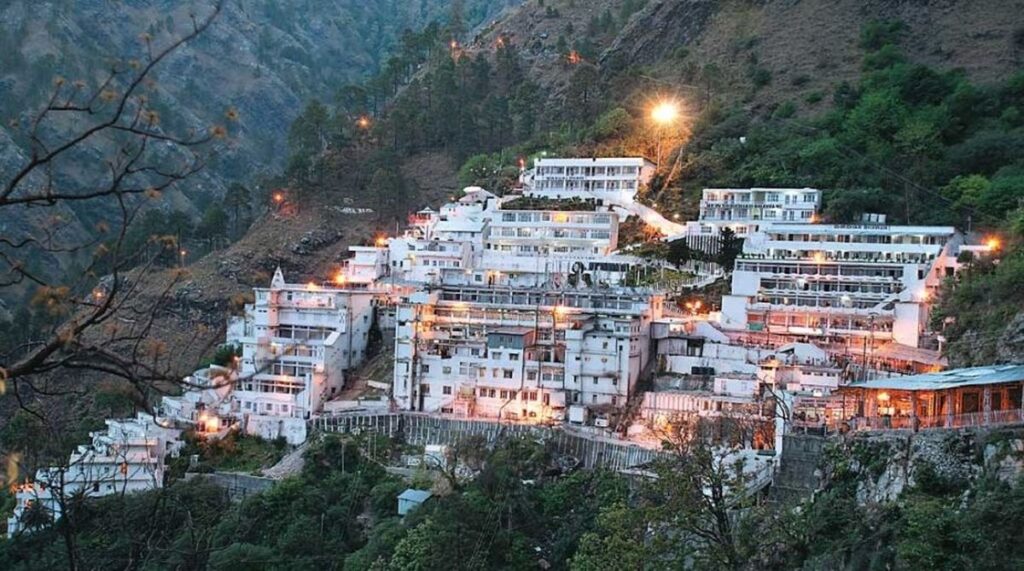
Maa Vaishno Devi Temple, located in Trikuta Hills of Jammu & Kashmir, is among the most revered pilgrimage sites in India. Every year, millions of devotees undertake the holy yatra to seek blessings of Mata Vaishno Devi, also called “Mata Rani” or “Vaishnavi.” The temple is dedicated to Goddess Mahalakshmi and is considered one of the 108 Shakti Peethas.
The Vaishno Devi Yatra 2025 is expected to attract an even larger number of pilgrims, thanks to improved infrastructure, better facilities, and digital registration processes. For first-time visitors, planning the yatra properly is very important. The trek from Katra base camp to the Bhawan (main shrine) is about 12–13 km uphill, and without proper preparation, it can be physically challenging.
What makes the Vaishno Devi pilgrimage unique is the combination of faith and endurance. Devotees chant “Jai Mata Di” as they climb, and the route is lined with Bhojanalayas (canteens), resting points, and medical facilities. The atmosphere itself fills you with energy, but practical guidance is still essential for first-timers.
This blog is a complete Vaishno Devi Yatra Guide 2025, designed to answer common questions like:
- What is latest Vaishno Devi yatra update in August 2025?
- How to register for the yatra in 2025?
- How to reach Vaishno Devi from Delhi, Mumbai, or other cities?
- What are the trekking routes and options besides walking?
- When is the best time to visit?
- Where to stay in Katra or near the Bhawan?
- What darshan rules and temple guidelines should you know?
By the end of this guide, you will have all the tips, timings, routes, and booking details to ensure your pilgrimage is safe, comfortable, and spiritually fulfilling. Whether you’re traveling solo, with family, or accompanying senior citizens, this updated guide will make your Vaishno Devi Yatra 2025 smooth and memorable.
Why Visit Maa Vaishno Devi?
The Spiritual Significance
Maa Vaishno Devi Temple in the Trikuta Hills of Jammu is one of the most sacred pilgrimage sites in India. The shrine is unique because the deity is worshipped in the form of pindis (natural rock formations) representing the three goddesses—Maha Kali, Maha Lakshmi, and Maha Saraswati. Devotees believe that Mata grants wishes to those who visit her shrine with true faith. For many, the yatra is not only a journey of the body but also of the spirit, symbolizing endurance, humility, and devotion.
The Scenic Journey
The trek to Bhawan from Katra offers pilgrims an unforgettable scenic experience. The path winds through lush forests, steep ghats, and serene viewpoints overlooking the valleys. During winter, snow adds charm to the higher points near Sanjichhat, while in monsoon, the greenery becomes more vibrant. Walking under a starlit sky at night with chants of “Jai Mata Di” echoing around you is a deeply moving experience.
A Divine Experience
The entire yatra is designed to strengthen the connection between devotees and the goddess. From the holy dip at Ban Ganga, the meditation point at Ardhkuwari Cave, to the final darshan of the pindis inside the sacred cave, each step feels guided by divine energy. For first-time visitors, this experience can be life-changing, leaving them with inner peace and renewed faith.
Vaishno Devi Yatra August 2025 Travel Update
The Maa Vaishno Devi Yatra remains open in August 2025 despite the ongoing monsoon season. Pilgrims are continuing their journey from Katra to Bhawan, but extra caution is advised as trekking paths often become slippery due to heavy rains. Devotees should carry raincoats, wear sturdy footwear with good grip, and avoid shortcuts for safety.
Route Updates
- The popular Hemkoti travel route (Ardhkuwari to Bhawan) was temporarily closed in mid-August because of landslides and waterlogging. This also affected the battery car services that usually operate on that stretch.
- The alternate Haathi Matthan route remains open, but it involves steeper climbs and longer walking, making it more demanding for elderly and first-time trekkers.
- The Shrine Board is closely monitoring weather conditions and may close or reopen routes depending on safety. Pilgrims are advised to check the official Shrine Board website or counters in Katra before starting the trek.
Darshan & Crowd Management
- On August 15, the shrine experienced heavy crowding due to a surge of visitors during the holiday weekend, combined with weather-related route closures. Waiting times for darshan were longer than usual.
- For smoother darshan, it is recommended to plan visits after the evening aarti, when crowds reduce and the trek is cooler.
- Live aarti telecasts and daily darshan at Bhawan continue uninterrupted, allowing devotees to stay connected spiritually even if waiting is longer.
Weather Conditions
Traditionally, the weather improves after mid-August, with reduced rainfall and safer trekking conditions. September onwards is considered a better season for first-time visitors, as the path becomes drier and more comfortable.
Travel & Tour Packages
Despite monsoon challenges, Delhi-to-Katra travel packages including guided yatras, bus journeys, hotel stays, and pre-arranged darshan are running successfully. Many pilgrims are opting for these packages for added convenience during uncertain weather.
Latest Update (as of August 23, 2025)
- Battery car services remain suspended on the Hemkoti stretch until clearance work is completed.
- Helicopter services from Katra to Sanjichhat are operating normally, though subject to weather visibility checks.
- Pilgrims should carry buffer time in their itinerary, as sudden rains can delay the trek by 1–2 hours.
- The Shrine Board has increased medical patrols and shelter maintenance to assist yatris during heavy showers.
Practical Tip: If traveling in late August 2025, plan your yatra via the Tarakote Marg (new track), which is wider, safer, and has improved drainage, reducing risk of slips compared to the old track.
Vaishno Devi Yatra Registration 2025
Before starting the journey, every devotee must complete the Vaishno Devi Yatra Registration. This is a mandatory step introduced by the Shri Mata Vaishno Devi Shrine Board (SMVDSB) to ensure safety, crowd management, and record-keeping. Without a valid Yatra Slip, pilgrims are not allowed beyond the Katra check-post.
How to Register Online (2025 Process)
- Visit the official Shrine Board website (www.maavaishnodevi.org) or download the mobile app.
- Create a login using your name, mobile number, and email.
- Select the date of yatra and number of travelers.
- Upload an ID proof (Aadhaar, Voter ID, Passport, etc.).
- Confirm and download the Yatra Slip.
The system now generates a QR-based slip that is scanned at entry points. Online registration is free of cost, though services like helicopter tickets have separate charges.
Offline Registration in Katra
For those unable to register online, offline counters are available at Yatra Registration Counter, Near Bus Stand, Katra. Here, devotees can show ID proof, fill details, and collect the printed Yatra Slip.
Important Rules
- Every traveler, including children above 5 years, must carry their own Yatra Slip.
- Carry one original photo ID proof along with the slip.
- The slip must be shown at the Yatra Check Post (Yatra Parchi Counter) in Katra before starting the trek.
Registration is simple, but doing it online in advance saves time and avoids long queues at Katra. For weekends, Navratri, or festive seasons, online booking is strongly recommended as the number of pilgrims is very high.
How to Reach Vaishno Devi from Major Cities
Reaching Maa Vaishno Devi Temple starts with arriving at Katra, the base camp of the yatra. Katra lies about 50 km from Jammu and is connected to major cities by air, rail, and road. Here’s a practical guide for first-time travelers:
By Air
- The nearest airport is Jammu Airport (IXJ), officially called Satwari Airport. It is well connected with daily flights from Delhi, Mumbai, Chandigarh, Amritsar, and other metros.
- From Jammu to Katra, the distance is about 50 km, which takes 1.5–2 hours by taxi or bus. Prepaid taxis are available outside the airport, costing ₹1,200–₹1,800 depending on vehicle type. Shared cabs and buses cost ₹100–₹300 per person.
By Train
- The most convenient option for pilgrims is the Shri Mata Vaishno Devi Katra Railway Station (SVDK).
- Direct trains connect Katra with Delhi (Shri Shakti Express), Mumbai (Vande Bharat, Swaraj Express), Kolkata, Ahmedabad, Chennai, and other cities.
- If your train ends at Jammu Tawi (JAT), you can take a taxi or bus to Katra. The ride takes about 2 hours.
By Road
- Katra is connected by the NH44 highway, and regular buses operate from Delhi, Chandigarh, Amritsar, and Jammu.
- From Jammu Bus Stand, JKSRTC buses run every 30 minutes to Katra. Fare: ₹80–₹150.
- Deluxe and Volvo buses from Delhi to Katra also operate, covering the 650 km distance in about 12–13 hours.
Keywords to optimize: how to reach Vaishno Devi from Delhi, Mumbai to Vaishno Devi train, Jammu to Katra taxi, Delhi to Katra bus.
For most visitors, train to Katra station is the smoothest and most budget-friendly option. Those with less time may choose to fly into Jammu and continue by taxi to Katra.
Yatra Route from Katra to Bhawan
The sacred journey begins at Katra Base Camp, where pilgrims show their Yatra Slip and officially start the trek. The distance from Katra to Bhawan (the main temple) is around 12–13 km uphill.
Trek Route Details
- Ban Ganga (1.5 km) – The first checkpoint where devotees take a holy dip in the river before beginning the climb.
- Charan Paduka (2.5 km) – A small temple where the footprints of Maa Vaishno Devi are believed to be imprinted.
- Adhkuwari (6 km) – Midway halt with accommodation and medical facilities. The famous Garbh Joon Cave is here, where Mata meditated for years.
- Sanjichhat (9.5 km) – The highest point of the trek, with a helipad nearby.
- Bhawan (12–13 km) – The holy cave shrine where the three pindis of Maa Vaishno Devi are worshipped.
Old Track vs. New Track
- Old Track: Traditional route, crowded but lined with shops, dhabas, and shelters. Suitable for pilgrims who want to experience the full traditional yatra.
- New Track (Tarakote Marg): Opened recently for smoother trekking. It is wider, less steep, has battery-operated car services, and is reserved for walkers (no ponies or palkis). Distance is slightly longer but easier.
Trekking Time
- On foot: 5–7 hours depending on pace.
- With breaks at Adhkuwari and Sanjichhat: 7–9 hours.
Tip: If you’re a first-time visitor or traveling with family, start the trek early morning or late evening to avoid crowds and heat. The path is well-lit at night, and facilities remain open 24/7.
Travel Options for the Yatra (Other than Walking)
While many devotees prefer walking the full 12–13 km trek from Katra to Bhawan, the Shrine Board and local operators provide several options for those who cannot or do not want to walk the entire distance. These are especially useful for senior citizens, children, and people with health issues.
Pony (Horse Ride)
Ponies are widely available at Ban Ganga, Adhkuwari, and Sanjichhat. They are licensed by the Shrine Board and have fixed rates displayed at counters.
- Cost: ₹800–₹1,200 one way (depending on distance covered).
- Duration: 4–5 hours to reach Bhawan.
- Tip: Book ponies through official counters only. Avoid negotiating with unauthorized agents.
Palki (Palanquin Service)
For elderly or physically challenged devotees, palkis carried by 4 bearers are available.
- Cost: ₹4,000–₹7,000 one way.
- Booking: At Ban Ganga or through local palki associations in Katra.
- Tip: Best for those who cannot sit on ponies due to health issues.
Battery-Operated Cars (New Track Only)
The Shrine Board runs eco-friendly battery cars on the Tarakote Marg (new track).
- Eligibility: Only for senior citizens above 60 years, disabled pilgrims, or those with medical certificates.
- Cost: ₹300–₹400 per person (one way).
- Booking: Done at Tarakote counter or via official website.
- Duration: About 2 hours from Tarakote to Bhawan.
Helicopter Service (Katra to Sanjichhat)
The most convenient option is the helicopter ride.
- Route: Katra Helipad (near Udhampur road) to Sanjichhat Helipad (9.5 km from Bhawan).
- Duration: 8–10 minutes.
- Cost: Around ₹2,080 per person (one way).
- Booking: Only on the Shrine Board’s official website. Tickets are non-transferable.
- From Sanjichhat to Bhawan: 2.5 km walk/pony/palki service.
Practical Tip: Helicopter tickets sell out within minutes during peak season. Log in to the official website at 10:00 AM (the release time) for best chances of getting a seat.
Darshan Timings and Important Rituals
Aarti Timings
Maa Vaishno Devi’s Bhawan hosts aarti twice a day, before sunrise and after sunset. These rituals last for about two hours and involve chanting hymns, lighting diyas, and offering prayers to the goddess. During this time, darshan remains temporarily closed, so pilgrims should plan their trek accordingly. If you want to witness the aarti, reach Bhawan in advance as seating is limited.
Rituals and Offerings
Devotees are expected to freshen up and deposit shoes, leather items, and electronics at the cloakrooms before entering. Offerings such as coconuts, prasad, chunris, and flowers can be bought at authorized counters. Inside the sanctum, the darshan involves bowing before the pindis in silence, with no elaborate rituals performed by individuals.
Rush and Queue Planning
Peak seasons like Navratri and New Year see long queues with wait times of up to 6–7 hours. For quicker darshan, avoid peak days or visit during late night or early morning. Families with elderly or children should target weekdays and non-festival dates.
Best Time to Visit Maa Vaishno Devi in 2025
The Vaishno Devi Yatra is open throughout the year, but the weather and crowd levels vary by season. Choosing the right time makes the pilgrimage more comfortable.
Summer (April – June)
- Weather: Pleasant in Katra, warm during the day, cooler in Bhawan.
- Best for: Families with children.
- Crowd: Heavy rush in May–June (school vacations).
- Tip: Carry light cotton clothes for Katra and a sweater for Bhawan.
Monsoon (July – September)
- Weather: Heavy rainfall, slippery routes, occasional landslides.
- Best for: Devotees seeking fewer crowds.
- Crowd: Relatively low.
- Tip: Carry raincoats, waterproof shoes, and avoid night trekking during heavy rain.
Autumn & Navratri Season (October)
- Weather: Very pleasant, ideal for trekking.
- Best for: First-time visitors who want the spiritual experience of Navratri (huge celebrations).
- Crowd: Extremely heavy; advance booking for accommodation and helicopter is a must.
Winter (November – February)
- Weather: Cold, with temperatures near Bhawan dropping close to 0°C in December–January.
- Best for: Pilgrims comfortable with cold weather.
- Crowd: Moderate except during New Year and Lohri.
- Tip: Carry woollens, gloves, and thermal wear.
Best Months for 2025
- March–April and September–October offer the most comfortable weather and manageable crowds.
- Navratri in October 2025 will be the most auspicious but also the busiest.
Practical Tip: If you are traveling with elderly parents or kids, avoid peak rush days (Navratri, New Year). Plan for mid-week travel in pleasant months for a smoother darshan.
Accommodation & Food Guide
Finding a comfortable place to stay and access to hygienic food is a top priority for every Vaishno Devi pilgrim. The good news is that both Katra and areas near the Bhawan offer a wide range of accommodation and food options that suit every budget.
Accommodation Options
Shrine Board Guesthouses and Dharamshalas
The Shri Mata Vaishno Devi Shrine Board (SMVDSB) manages clean and affordable guesthouses at Katra, Adhkuwari, Sanjichhat, and Bhawan. These rooms are well-maintained, with facilities like blankets, hot water, and basic amenities. Tariffs are budget-friendly (₹800–₹1,500 per night). Booking is available online at www.maavaishnodevi.org.
Private Hotels in Katra
Katra, being the base camp, has hundreds of hotels ranging from budget lodges to luxury stays.
- Budget Hotels: ₹800–₹1,200 per night.
- Mid-range Hotels: ₹1,500–₹3,000 per night, often with family rooms.
- Premium Resorts: ₹4,000+ per night, with amenities like spas, restaurants, and shuttle services.
Accommodation Near Bhawan
For those who prefer staying close to the shrine, dormitories, halls, and simple rooms are available at Bhawan and Adhkuwari. These are ideal for pilgrims who want darshan early morning or late at night.
Food Guide
Bhojanalayas and Langars
The Shrine Board operates pure vegetarian bhojanalayas (canteens) at regular intervals on the trekking route. Meals are hygienic, affordable, and prepared without onion and garlic.
- Meal cost: ₹50–₹120 per person.
- Free Langar services are offered by charitable trusts near Ban Ganga and Bhawan.
Private Dhabas & Tea Stalls
Numerous stalls sell tea, snacks, rajma-chawal, poori-sabzi, and fruits. Prices are slightly higher near Bhawan due to altitude.
Important Notes
- Alcohol and non-vegetarian food are strictly banned.
- Carry light snacks, dry fruits, and energy bars during the trek.
- Filtered drinking water is available free of cost at multiple points.
Keywords: Vaishno Devi accommodation, where to stay near Vaishno Devi, food in Vaishno Devi yatra.
Tip: If traveling with elderly parents, book Shrine Board rooms in advance to stay close to the route and reduce walking.
Important Tips for First-Time Visitors
For first-time pilgrims, the Vaishno Devi Yatra 2025 can feel overwhelming. The trek, crowd, and temple rules require preparation. Here’s a checklist of practical tips to make the journey smooth and safe.
Carry Valid ID and Registration Slip
- Every devotee must carry the Yatra Slip and one original photo ID proof. Without it, entry is not allowed beyond Katra.
- Keep a digital copy on your phone for backup.
Clothing & Footwear
- Wear comfortable sports shoes or trekking shoes. Avoid slippers and sandals.
- Light cotton clothes are good in summer. In winter, carry woollen jackets, gloves, and thermals.
- Carry a raincoat if visiting during July–September.
Trek Essentials
- Carry a small backpack with water bottles, dry fruits, ORS packets, and personal medicines.
- Walking sticks (available in Katra) help during steep climbs.
- Stay hydrated — water coolers are installed at many points on the trek.
Rules & Safety
- Plastic bags are banned; use cloth or jute bags.
- Littering is strictly prohibited. Use the dustbins provided.
- Avoid overcrowded shortcuts — always stick to the main track.
Money & Connectivity
- ATMs are available at Katra and Bhawan, but they often run out of cash during peak season. Keep some cash handy.
- Mobile networks (Jio, Airtel, BSNL) work fine till Bhawan, though internet speed may fluctuate.
Medical Support
- First aid centres and free dispensaries are available en route.
- If you have heart or respiratory problems, consult a doctor before trekking.
Keywords: Vaishno Devi yatra tips for first timers, Vaishno Devi trek guide, essentials for Vaishno Devi yatra.
Practical Tip: If traveling with children or senior citizens, plan the yatra in two phases (Katra to Adhkuwari, overnight halt; Adhkuwari to Bhawan next day). This reduces strain and keeps the journey enjoyable.
Darshan & Temple Guidelines
Reaching the Bhawan (main shrine) is the most fulfilling moment of the Vaishno Devi Yatra. However, first-time visitors should understand the darshan procedure, timings, and rules to make the experience smooth and respectful.
Mata Darshan Procedure
- After reaching Bhawan, devotees deposit their luggage, shoes, leather items, and mobile phones at the Cloak Rooms (free service).
- Freshen up at free bathing ghats near Bhawan before entering the shrine.
- The darshan path takes you to the holy cave where the three pindis (natural rock formations representing Maa Kali, Maa Lakshmi, and Maa Saraswati) are worshipped.
- Devotees bow before the pindis, offer prayers, and exit through the designated gate.
Darshan Timings
- The shrine remains open 24 hours, but rush varies.
- Early morning (4 AM – 7 AM) and late night (11 PM – 3 AM) usually see fewer crowds.
- During Navratri and festivals, waiting time may extend to 5–7 hours.
VIP Darshan / Priority Pass
- The Shrine Board offers priority darshan for senior citizens, disabled devotees, and parents carrying infants.
- For general devotees, there is no paid VIP ticket. However, those arriving by helicopter are sometimes given quicker entry.
- Some special passes are available at Katra for Navratri festival organizers and dignitaries.
General Rules
- Photography is strictly banned inside the temple premises.
- Only pure vegetarian prasad is allowed (available at official counters).
- Queue discipline is mandatory; pushing and rushing are discouraged.
- Avoid carrying valuables.
Practical Tip: Plan your darshan during odd hours (early morning or after midnight) if you want less crowd. Always deposit phones and valuables in official cloakrooms, not at private stalls.
What to Pack for Your Maa Vaishno Devi Yatra
Packing smartly makes the trek much easier. Carrying too much weight slows you down, but missing essentials causes discomfort.
Documents & Money
- Printed Yatra Slip for each pilgrim.
- One government-issued ID proof.
- Cash in small denominations (₹100/₹200 notes). Limited ATMs are available en route.
Clothing & Footwear
- Summer: Light cotton clothes and caps.
- Winter: Woollen jackets, thermals, gloves, caps.
- Monsoon: Raincoat or poncho.
- Footwear: Sports or trekking shoes with firm grip. Avoid slippers or sandals.
Trek Essentials
- A small backpack with water bottle, ORS packets, snacks, dry fruits, and medicines.
- Walking stick (can be bought at Katra).
- Wet wipes, tissues, and sanitizer.
- Torch or headlamp if trekking at night.
Avoid Carrying
- Jewelry, expensive gadgets, or unnecessary luggage.
- Plastic bags (banned on the route).
Facilities Along the Trek to Maa Vaishno Devi
The Shrine Board has ensured that the route from Katra to Bhawan is equipped with modern facilities so devotees can complete the trek safely and comfortably.
Rest Stops and Shelters
Covered sheds and benches are placed every few hundred meters along both the old track and new Tarakote Marg. At night, the paths are well-lit, and CCTV surveillance adds extra safety.
Food & Refreshments
Shrine Board-operated bhojanalayas provide affordable, hygienic, and vegetarian meals. Simple dishes like rajma-chawal, poori-sabzi, and khichdi are common. Free langar services are also available at certain points, especially during peak yatra days.
Medical Facilities
Dispensaries, first-aid centres, and stretcher services are stationed at Ban Ganga, Adhkuwari, Sanjichhat, and Bhawan. Emergency medical staff are available 24/7.
Cloakrooms & Lockers
Free cloakrooms at Katra and Bhawan allow you to deposit valuables, phones, and bags. Always use Shrine Board counters for safety.
Washrooms & Water
Clean washrooms and filtered drinking water stations are placed at intervals. Carry a refillable bottle to avoid buying packaged water.
Health and Safety Tips for First-Time Pilgrims
- Consult a doctor if you have heart, asthma, or joint issues. Carry necessary medicines with you.
- Pace yourself: Walk steadily, take short breaks at every 1–2 km, and avoid overexertion.
- Stay hydrated: Drink small sips of water often. Carry ORS or glucose packets for energy.
- Eat light: Avoid oily or heavy meals before starting the trek.
- Weather care: Carry a raincoat in monsoon, thermals in winter, and a cap in summer.
- Night safety: Trekking at night is safe, but always stick to the main path and walk in groups. Carry a torch.
- Children & Elders: Keep kids close, avoid overcrowded shortcuts, and consider ponies or palkis for elders.
- Emergency help: Don’t hesitate to approach Shrine Board staff or medical posts if feeling unwell.
Additional Tips for First-Time Visitors
Plan Your Visit in Advance
- Register online for the yatra and book accommodation early, especially for Navratri or weekends.
- If booking helicopter tickets, log in exactly when they open (10 AM on the official site).
Explore Nearby Attractions
Extend your trip by visiting Bhairavnath Temple, Ardhkuwari Cave, Shiv Khori, or Patnitop for relaxation and sightseeing.
Respect Local Customs
- Dress modestly, covering shoulders and knees.
- Do not litter or bring non-veg items/alcohol.
- Maintain silence and discipline inside the Bhawan.
Manage Your Time
- Factor in aarti timings, which temporarily halt darshan.
- Start the trek early morning or evening for comfortable weather.
Carry Minimal Valuables
- Leave jewelry and expensive gadgets at home.
- Deposit phones and wallets in official lockers before darshan.
Nearby Places to Visit After Yatra
The Vaishno Devi pilgrimage doesn’t end at Bhawan. The region around Katra and Jammu offers several spiritual and scenic attractions worth visiting after the darshan.
Bhairavnath Temple (2.5 km from Bhawan)
According to legend, the yatra is considered incomplete without visiting Bhairavnath Temple. Located 2.5 km uphill from Bhawan, the temple can be reached on foot, pony, or palki. The trek is steep but short. It is believed Maa Vaishno Devi granted Bhairavnath salvation here.
Ardhkuwari Cave (6 km from Katra)
Midway to Bhawan, this cave temple is where Mata meditated for nine months before slaying Bhairavnath. Pilgrims often stop here during ascent or descent. The narrow Garbh Joon cave is a must-visit, symbolizing rebirth and purity.
Patnitop (85 km from Katra)
A hill station in Jammu, Patnitop is ideal for relaxation after the yatra. Surrounded by pine forests, it offers adventure sports like paragliding in summer and snow activities in winter. Perfect for family day trips.
Shiv Khori (70 km from Katra)
Another important pilgrimage site, Shiv Khori is a natural cave shrine dedicated to Lord Shiva. The 200-meter-long cave houses a naturally formed Shiva lingam. The atmosphere is mystical and complements the spiritual energy of Vaishno Devi.
Jammu City (50 km from Katra)
Before returning, explore Jammu’s attractions: Raghunath Temple, Ranbireshwar Temple, Bahu Fort, and local markets famous for dry fruits, rajma, and woollens.
Practical Tip: Plan an extra 1–2 days in your itinerary to explore these nearby sites. If traveling with children or elders, choose Patnitop for relaxation and fresh air after the trek.
Conclusion
The Maa Vaishno Devi Yatra 2025 is not only a journey of faith but also a test of endurance and devotion. Every year, millions of devotees walk the 12–13 km trek from Katra to Bhawan chanting “Jai Mata Di”, and for first-time visitors, this guide ensures you are fully prepared.
We started with the basics of registration, reminding you that a valid Yatra Slip is mandatory before you begin. Then we covered how to reach Katra—whether by flight to Jammu, direct train to Shri Mata Vaishno Devi Katra station, or road from major cities like Delhi and Chandigarh. From there, we explored the trek routes, including the traditional old track and the easier new track (Tarakote Marg).
We discussed travel options beyond walking: ponies, palkis, battery-operated cars for senior citizens, and helicopter services from Katra to Sanjichhat. Each choice has its benefits, and knowing them helps you plan according to your family’s needs. We also guided you on the best time to visit in 2025, with March–April and September–October offering ideal weather, while Navratri promises a deeply spiritual yet crowded experience.
Practical advice on accommodation and food ensures you know where to stay—whether in Shrine Board guesthouses or private hotels—and where to eat hygienic vegetarian meals. For first-timers, tips like wearing good shoes, carrying ID proof, keeping cash, and following yatra rules are vital for a smooth journey. We also highlighted darshan guidelines—from deposit counters to VIP passes—so you avoid confusion at Bhawan. Finally, we recommended nearby attractions like Bhairavnath Temple, Ardhkuwari Cave, Shiv Khori, Patnitop, and Jammu City, making your trip more fulfilling.
The essence of this yatra lies not only in reaching the holy cave but also in the faith and discipline you carry throughout the journey. With the right preparation, your first Vaishno Devi yatra in 2025 will be safe, comfortable, and spiritually uplifting.
So pack wisely, book your registrations in advance, plan your darshan timings smartly, and embark on this sacred pilgrimage with devotion in your heart. Maa Vaishno Devi blesses all her devotees equally, and your yatra will remain a cherished memory for a lifetime.
Jai Mata Di!
FAQs About Visiting Maa Vaishno Devi:
Is Vaishno Devi Yatra open in 2025?
Yes, the yatra runs year-round in 2025. Registration and a valid Yatra Slip are mandatory for entry beyond Katra. Check the Shrine Board site or app for daily advisories before travel.
How do I register online for Vaishno Devi Yatra 2025?
Create an account on the Shri Mata Vaishno Devi Shrine Board website or app, choose your date, add devotee details, upload ID, and download the QR Yatra Slip. Carry the slip and the same original ID to Katra.
Where do I collect the Yatra Slip in Katra if not booked online?
Use the Yatra Registration Counter near Katra Bus Stand. Present a valid photo ID, complete details, and receive the printed slip. Show this slip at the check post before the trek.
What is the best time to visit Vaishno Devi in 2025?
March to April and September to October offer pleasant weather and steady footfall. Navratri in October is auspicious, expect heavy crowds. Winters are cold near Bhawan, summers are warm in Katra, monsoon brings slippery paths.
How do I reach Katra from major cities in 2025?
Fly to Jammu Airport, then take a taxi or bus to Katra, 50 km away. Trains run directly to Shri Mata Vaishno Devi Katra station from Delhi and other metros. JKSRTC and private buses link Jammu and Katra throughout the day.
What is the Katra to Bhawan distance and route in 2025?
The trek is about 12–13 km via Ban Ganga, Charan Paduka, Adhkuwari, Sanjichhat, then Bhawan. Two options exist: the traditional old track with shops and pony movement, and the newer Tarakote Marg with gentler gradients and no ponies.
What is the latest route and service update for August 2025?
Yatra remains open in August. Hemkoti stretch near Ardhkuwari faced closures due to rainfall and landslide risk, affecting battery cars on that leg. Haathi Matthan route stays open with steeper climbs. Helicopter flights Katra–Sanjichhat operate subject to weather. Plan buffer time and confirm status at Katra helpdesks or the Shrine Board app before the trek.
Are battery-operated cars available in 2025 and who is eligible?
Battery cars run on Tarakote Marg for seniors, devotees with disabilities, and medically advised cases, subject to seats and weather. Book at the Tarakote counter or through official channels. Service on Hemkoti remains suspended during landslide alerts.
How to book the Vaishno Devi helicopter in 2025 and what is the process at Sanjichhat?
Book only through the Shrine Board website. Flights run Katra to Sanjichhat in about 8–10 minutes. From Sanjichhat, walk or hire a pony or palki for the final 2.5 km to Bhawan. Carry the same ID used for booking and arrive early for check-in.
Are ponies and palkis available in 2025 and where to hire them?
Licensed pony and palki services operate from Ban Ganga, Adhkuwari, and Sanjichhat. Rates display at official counters. Use only Shrine Board-authorized providers for safety and fixed pricing.
What are Vaishno Devi darshan hours and aarti timings in 2025?
Darshan runs round the clock. Aarti takes place twice daily, before sunrise and after sunset, during which entry pauses. For shorter queues, target late night or early morning on non-festival weekdays. Check the day’s aarti window on the official site or app.
Is VIP or priority darshan available in 2025?
Priority assistance exists for seniors, devotees with disabilities, and parents with infants, as guided by Shrine Board staff. General paid VIP tickets are not offered. Helicopter passengers often receive streamlined entry subject to crowd control rules.
What should I pack for the Vaishno Devi Yatra 2025?
Carry Yatra Slip and ID, a small daypack, water, ORS, snacks, personal medicines, rainwear in monsoon, warm layers in winter, and trekking shoes with grip. Keep valuables minimal. Use lockers at Bhawan for phones and wallets during darshan.
What facilities are available along the trek in 2025?
Shelters, seating, lighting, CCTV, RO drinking water points, clean washrooms, medical posts, and Shrine Board bhojanalayas operate on both tracks. Cloakrooms and luggage counters are available at Katra and Bhawan. Use authorized facilities for safety and hygiene.
Where to stay and eat during the yatra in 2025?
Book Shrine Board guesthouses at Katra, Adhkuwari, Sanjichhat, and Bhawan for budget, clean rooms. Katra also offers hotels across price bands. Bhojanalayas serve hygienic pure-veg meals without onion and garlic, with prices displayed on boards.
Is Bhairavnath Temple visit required to complete the yatra?
Tradition considers the yatra complete after visiting Bhairavnath Temple, 2.5 km above Bhawan. Reach by foot, pony, or palki. Plan this stretch after darshan if energy allows and weather looks stable.
What safety tips apply during monsoon 2025, including August travel?
Wear shoes with grip, use rain gear, avoid shortcuts, and follow staff advisories. Prefer Tarakote Marg for steadier gradients and better drainage. Start early or late evening to escape heat and crowd surges. Keep buffer time for weather holds.
Is live aarti or online darshan available in 2025?
Yes, live aarti and daily darshan streams continue via official channels. Use these feeds to plan timing and remain connected during peak-hour holds.
Are ATMs available and are plastics allowed in 2025?
ATMs exist at Katra and Bhawan but run out of cash on rush days, so carry small-denomination notes. Single-use plastics face restrictions. Use refillable bottles and cloth bags along the route.
Discover Related Content:
- Vaishno Devi Helicopter Booking Guide: Cost, Routes & Tips
- Vaishno Devi Darshan Timings: Full Schedule for Visitors
- Vaishno Devi Trekking Guide: Route Map, Distance & Facilities
- Travel from Katra to Srinagar: Best Routes & Travel Tips
- Essential Guide for First-Time Pilgrims to Maa Vaishno Devi
- How to Plan Amarnath Yatra by Helicopter – Complete Travel Guide
- Katra to Vaishno Devi by Helicopter – What to Know