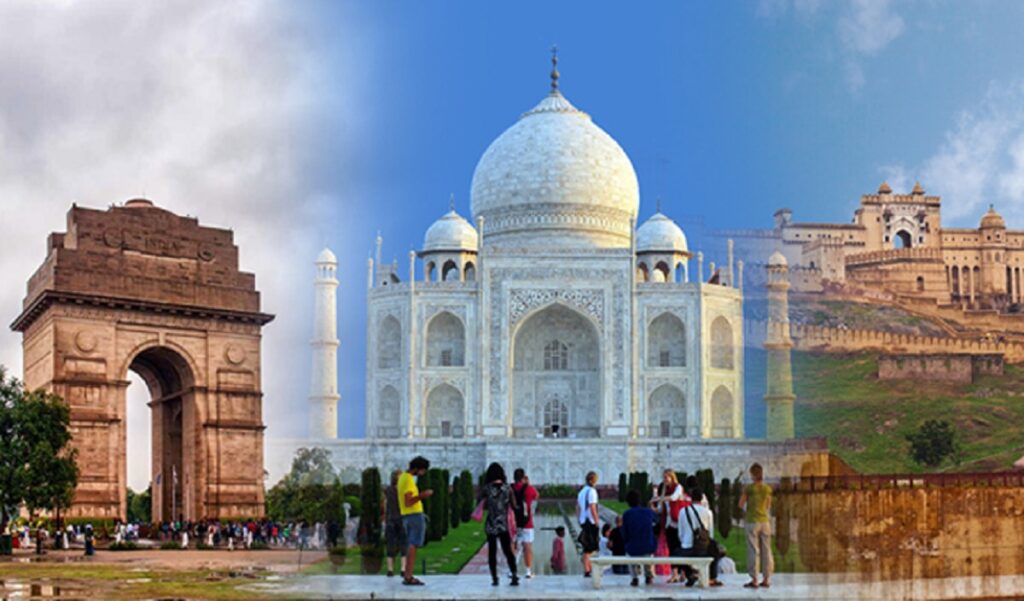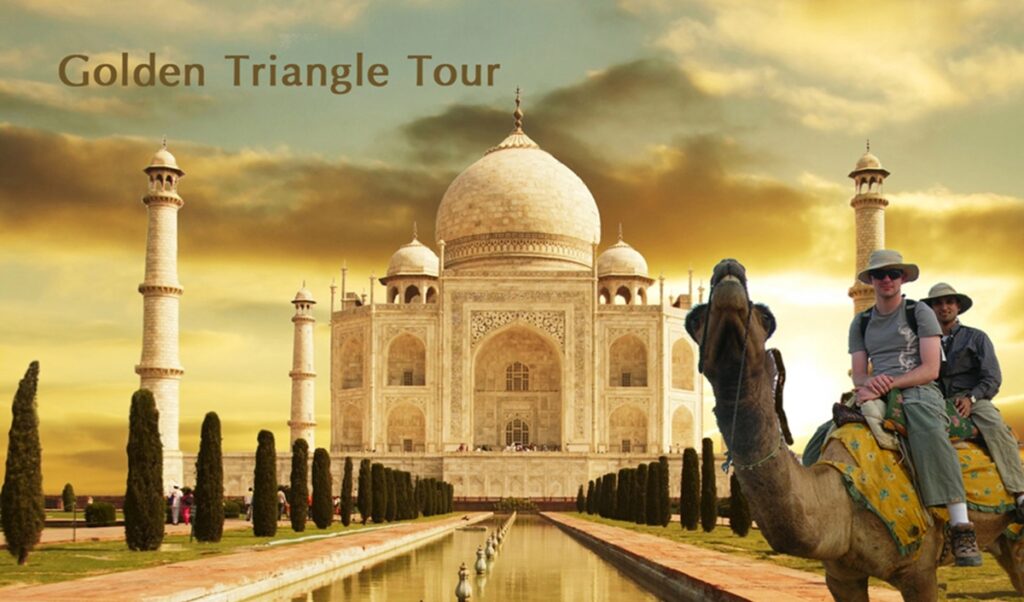
For many international visitors, the Golden Triangle is the first taste of India: Delhi, Agra, and Jaipur linked in a neat triangular route that blends history, architecture, and culture. It’s where most travellers come to see the Taj Mahal, the Pink City’s forts and palaces, and Delhi’s mix of Mughal grandeur and modern bustle.
But here’s the catch: while the cities themselves are unforgettable, the journey between them can either be smooth and enjoyable or tiring and stressful. Choosing the right way to travel — whether by train, bus, or private taxi — has a huge impact on your experience.
In this guide, we’ll walk you through all the main options for getting from Delhi to Agra and Jaipur, comparing comfort levels, costs, and travel times. By the end, you’ll have a clear idea of which option works best for your budget, travel style, and time frame.
What We’ll Cover in This Blog
- What is the Golden Triangle and why Delhi is the gateway
- How to travel by train: the main routes, different classes explained, and pros and cons
- How to travel by bus: state vs private operators, what to expect on board, and whether it’s suitable for tourists
- How to travel by taxi or private car: prices, flexibility, and practical tips
- A side-by-side comparison of train, bus, and taxi for cost, comfort, and convenience
- Practical travel tips: booking, safety, and timing advice for international travellers
1. What Is the Golden Triangle and Why Start from Delhi?
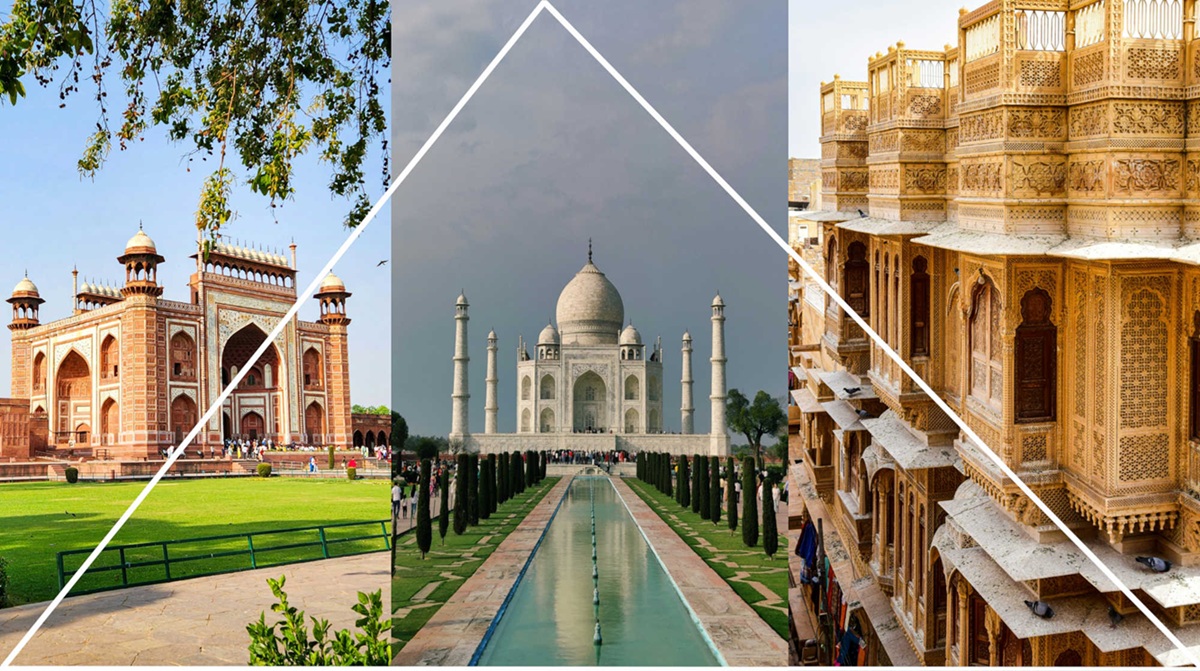
If you’ve only got a week or so in India, the Golden Triangle is the route most first-time travellers choose. Covering about 720 kilometres in total, it links three of North India’s most visited cities.
- Delhi: The capital, where ancient sites like the Red Fort and Qutub Minar sit alongside bustling bazaars and modern neighbourhoods.
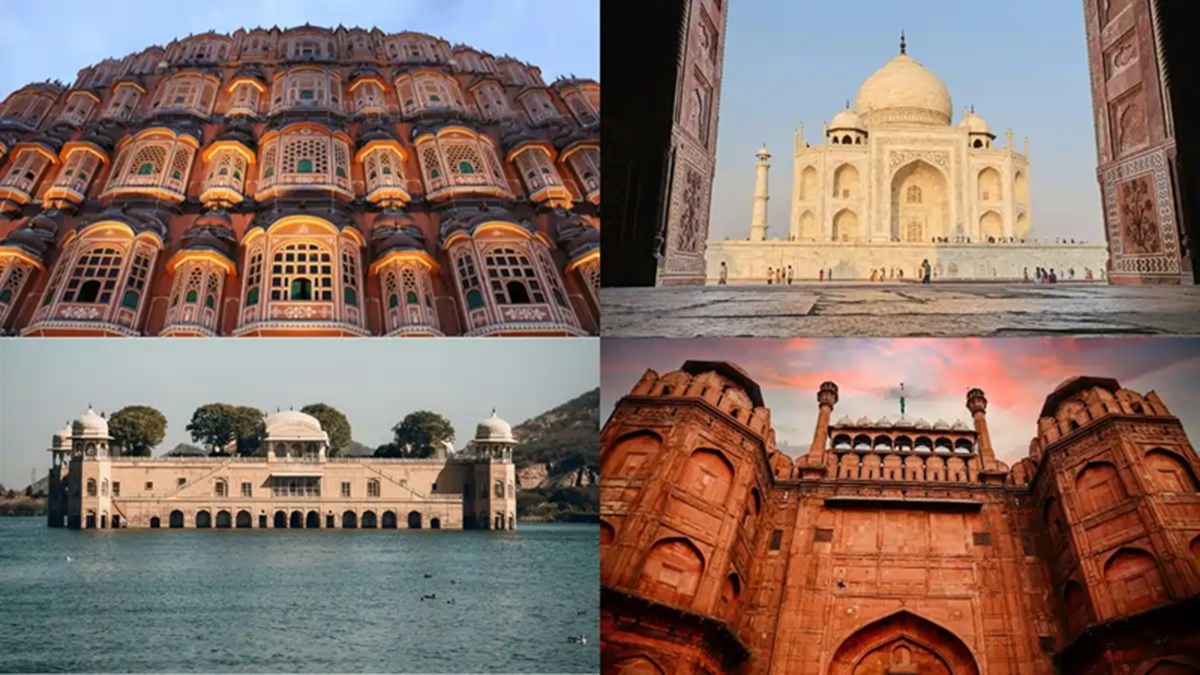
- Agra: Home to the Taj Mahal, Agra Fort, and other Mughal masterpieces.
- Jaipur: The Pink City, with its ornate palaces, hilltop forts, and colourful markets.
Why Delhi Is the Natural Starting Point
Nearly all international flights arrive into Delhi’s Indira Gandhi International Airport. From there, both Agra and Jaipur are just a few hours away by road or rail. Delhi acts as the hub where you can catch trains, buses, or book a car to begin your Golden Triangle adventure.
Why Your Mode of Transport Matters
The distances aren’t huge: Delhi to Agra is about 200 km, Delhi to Jaipur is about 270 km. But the way you travel will shape how you feel when you arrive. A comfortable train ride can leave you fresh and ready to sightsee, while a bumpy overnight bus might do the opposite. That’s why it’s worth knowing your options before you book. first recommended route for solo trips to India. Ease India Trip’s Golden Triangle tours
2. How to Reach the Golden Triangle by Train from Delhi?
For many visitors, trains are the quintessential Indian experience — and they also happen to be one of the most efficient ways to cover this route. Both Agra and Jaipur are well connected to Delhi, and the journeys are short enough for day trips.
Which Trains Run from Delhi to Agra and Jaipur?
- Delhi to Agra:
- The Gatimaan Express: India’s first semi-high-speed train, reaching Agra in under 2 hours.
- The Shatabdi Express: A premium service with air-conditioned coaches, meals, and a travel time of about 2 hours 10 minutes.
- Several other daily trains make the journey, but these two are the favourites for international tourists.
- Delhi to Jaipur:
- The Ajmer Shatabdi Express: A reliable, comfortable service that gets you to Jaipur in about 4 hours 30 minutes.
- The Double Decker Express: A more budget-friendly option, also taking around 5 hours.
Trains leave from major stations like New Delhi Railway Station (NDLS) or Hazrat Nizamuddin (NZM). Tickets can be booked on IRCTC’s website, through travel agents, or via booking platforms such as 12Go Asia.
What Are the Different Train Classes for the Golden Triangle?
Indian trains can be confusing if it’s your first time. Here’s a simple breakdown of the classes you’re likely to see on Golden Triangle routes:
- Executive Chair Car (EC)
- Comparable to business class on a plane.
- Wide reclining seats, air-conditioned, meals included.
- Ideal if you want maximum comfort for a short journey.
- AC Chair Car (CC)
- Like premium economy on a flight.
- Air-conditioned, comfortable seating, sometimes meals.
- A good balance between price and comfort.
- Sleeper Class (SL)
- The cheapest option, no air-conditioning.
- Basic seats that convert into berths for sleeping.
- Often crowded and not the best for international tourists unless you’re adventurous and on a strict budget.
- AC 2-Tier and 3-Tier
- Designed for overnight journeys, though sometimes found on longer daytime trains.
- Air-conditioned sleeping berths, clean bedding provided.
- 2-Tier offers more space and privacy, 3-Tier is cheaper and more sociable.
Is Train Travel the Best Option for International Travellers?
Why trains are great:
- Fast: Delhi to Agra in under 2 hours is unbeatable.
- Comfortable: especially in AC Chair Car or Executive Class.
- Scenic: you get a window into rural India along the way.
Drawbacks to note:
- Stations can be busy and overwhelming, so allow time to find your platform.
- Tickets for premium trains sell out quickly; book early.
- Trains run on strict timetables, so you can’t make impromptu stops like you could with a car.
Verdict: If you value comfort, speed, and reliability, trains are the best option for most international visitors. October in India: A Traveler’s Dream – Check Out the Weather
3. How to Travel from Delhi to the Golden Triangle by Bus?
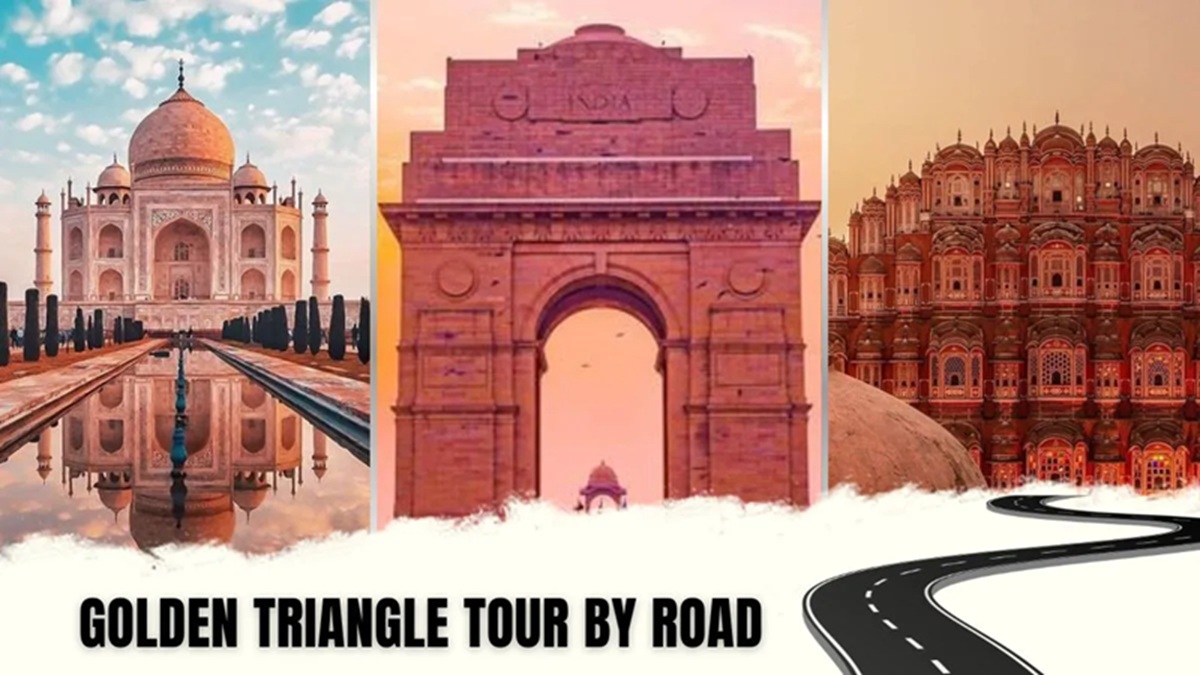
Buses are another popular way to travel, especially if you’re looking for budget-friendly options or last-minute availability. Thanks to modern highways like the Yamuna Expressway (to Agra) and the Delhi–Jaipur highway (NH48), the journeys are fairly straightforward.
Which Buses Connect Delhi with Agra and Jaipur?
- Delhi to Agra:
- State-run buses depart regularly from Sarai Kale Khan and Anand Vihar terminals.
- Private operators also run comfortable services on the Yamuna Expressway, with journey times of 3–4 hours.
- Delhi to Jaipur:
- Frequent departures every 30–60 minutes from various terminals.
- Average journey time is 5–6 hours, though traffic can make it longer.
Booking can be done online through apps like RedBus or at the bus stations.
What Types of Buses Can You Choose?
- Volvo/AC Sleeper Coaches
- Clean, air-conditioned, with reclining seats or sleeper berths.
- Sometimes provide Wi-Fi, charging points, and blankets.
- Comfortable enough for international travellers.
- Semi-Sleeper/AC Seater Buses
- Mid-range option, with reclining seats but not as spacious as sleeper coaches.
- A good balance of affordability and comfort.
- Ordinary/Non-AC Buses
- The cheapest option, widely used by locals.
- Basic seats, frequent stops, no air-conditioning.
- Not recommended for tourists unless you’re travelling on an extremely tight budget.
Are Buses a Good Option for International Travellers?
Advantages:
- Frequent departures, so easy to find seats even last-minute.
- Cheaper than trains and far cheaper than private taxis.
- Overnight buses can help you save on accommodation.
Disadvantages:
- Comfort depends heavily on the operator — not all buses are equal.
- Road traffic can add unexpected delays.
- Less privacy compared to a private car.
Verdict: If you’re looking for something affordable but still reasonably comfortable, go for Volvo AC buses. They’re reliable and tourist-friendly, especially for the Delhi–Agra route. October Weekend Escapes from Delhi – Find Your Ideal Destination Today!
4. How Much Does a Taxi or Private Car Cost from Delhi to the Golden Triangle?
For many international travellers, the idea of being able to travel at your own pace — without navigating crowded stations or waiting for buses — makes taxis or private cars a very appealing option.
What Are the Road Travel Options?
- One-way taxis: Good if you’re only heading to Agra or Jaipur and plan to move on elsewhere.
- Round-trip hires: Often arranged for 3–6 day Golden Triangle tours, with a driver accompanying you the whole way.
- App-based cabs (Ola Outstation, Uber Intercity): Convenient for booking short one-way trips, but less reliable in smaller towns.
- Self-drive rentals: Possible, though not recommended unless you’re very confident driving in India’s traffic conditions. Especially for longer trips like Delhi–Agra–Jaipur tours.
Why Choose a Taxi for the Golden Triangle?
- Flexibility: Stop at sights along the way like Fatehpur Sikri (between Delhi and Agra) or Abhaneri Stepwell (between Agra and Jaipur).
- Comfort: Air-conditioned vehicles, privacy, and the ability to control stops and timing.
- Convenience: Door-to-door service from your hotel or airport. No need to handle luggage on busy platforms.
Taxi Costs and Practical Tips
- Delhi to Agra: Expect to pay ₹4,000–₹6,000 (£40–£60 / $50–$75) one way for a private sedan.
- Delhi to Jaipur: Slightly higher at ₹5,000–₹7,000 (£50–£70 / $60–$85) one way.
- Full Golden Triangle circuit (Delhi–Agra–Jaipur–Delhi): Around ₹15,000–₹20,000 (£150–£200 / $180–$250) for a 4–5 day trip with driver.
Tips:
- Always confirm whether tolls, fuel, and driver’s accommodation are included in the quote.
- Book through a reputable operator or your hotel for peace of mind.
- If using apps like Uber/Ola, be prepared that availability may drop outside Delhi.
Verdict: A private taxi is the most comfortable and flexible way to explore the Golden Triangle, especially for families, small groups, or those on limited time.
You can check out our 8 Days Golden Triangle Ranthambore Tour.
5. Which Is Better: Train, Bus, or Taxi from Delhi?
With three solid options, it helps to see how they compare side by side.
Cost and Time Comparison
| Mode of Travel | Delhi–Agra (200 km) | Delhi–Jaipur (270 km) | Comfort Level | Best For |
|---|---|---|---|---|
| Train (Shatabdi / Gatimaan) | ₹800–₹1,600 (£8–£16 / $10–$20), 1.5–2 hrs | ₹1,000–₹1,800 (£10–£18 / $12–$22), 4–5 hrs | High in AC classes | Solo travellers, couples, time-conscious tourists |
| Bus (Volvo AC) | ₹500–₹1,000 (£5–£10 / $6–$12), 3–4 hrs | ₹600–₹1,200 (£6–£12 / $7–$15), 5–6 hrs | Moderate to High | Budget travellers, backpackers, flexible schedules |
| Taxi / Private Car | ₹4,000–₹6,000 (£40–£60 / $50–$75), 3–4 hrs | ₹5,000–₹7,000 (£50–£70 / $60–$85), 5–6 hrs | Very High | Families, groups, those seeking comfort and flexibility |
(Prices are approximate as of 2025 and can vary by operator and season.)
Best Option Based on Traveller Type
- Budget Travellers: Sleeper trains or ordinary buses will keep costs low.
- Comfort Seekers: Executive Chair Car trains or Volvo buses.
- Families & Groups: Taxis or private cars make travel stress-free and flexible.
- Time-Conscious Travellers: Gatimaan Express to Agra and Shatabdi to Jaipur.
first recommended route for solo trips to India. Ease India Trip’s Golden Triangle tours
6. Travel Tips for a Smooth Golden Triangle Journey
To make the most of your trip, here are a few practical tips:
Booking in Advance
- Trains: Book at least 2–3 weeks ahead, especially for premium trains.
- Buses: Usually available last-minute, but book early for weekends and festivals.
- Taxis: Lock in your operator before you arrive, particularly if planning a multi-day Golden Triangle circuit.
Safety and Comfort
- Keep small change handy for tips, snacks, and short rides.
- Carry bottled water, especially for bus and taxi journeys.
- If travelling overnight by bus, choose a reputable operator with good reviews.
- Solo female travellers may feel more secure in AC trains or private taxis.
Apps and Websites for Booking
- Trains: IRCTC, 12Go Asia.
- Buses: RedBus, AbhiBus.
- Taxis: Ola Outstation, Uber Intercity, or pre-booked private operators.
When to Travel
- Avoid national holidays like Diwali or Holi when trains and buses sell out.
- If travelling in summer (April–June), choose air-conditioned transport.
- In monsoon (July–September), allow extra travel time for potential delays.
Conclusion: What’s the Best Way to Start Your Golden Triangle Tour from Delhi?
The Golden Triangle is India’s most iconic travel route for good reason. With world-class sights packed into a manageable circuit, it’s the perfect introduction to the country. But how you choose to travel between Delhi, Agra, and Jaipur can make all the difference.
- If you’re short on time and want speed, trains are unbeatable.
- If you’re travelling on a budget and don’t mind some extra time on the road, buses offer great value.
- If you want the freedom to stop wherever you like and travel in comfort, a private taxi is worth every rupee.
Whichever option you choose, plan ahead, travel smart, and you’ll find the journey is just as rewarding as the destinations themselves. The Golden Triangle awaits — and now you know exactly how to get there.
Related Read:
- Plan Your Perfect Golden Triangle Tour Duration
- Discover Golden Triangle Monuments, Fees & Activities
- Explore Top Attractions on the Golden Triangle Route
- Book Your Delhi to Agra One-Day Trip Guide
- Visit Historical Places in North India with Family
- Hire Multilingual Guides for Golden Triangle Tours
- Check Visa Requirements for Golden Triangle India
- Customize Your Golden Triangle Itinerary (4–7 Days)
- Find the Best Time to Visit Golden Triangle India
- Explore the Golden Triangle Alone – Stay Secure with These Tips
- Make Your Golden Triangle Trip Unforgettable – Hire Multilingual Guides!
- Do I Need a Visa to Visit India’s Golden Triangle? Find Out Now!
- Discover the Best of India in 4-7 Days – Golden Triangle Itinerary Inside!
- Is the Golden Triangle Safe for Solo Travelers? Complete Safety Guide
- Don’t Miss Out – Start Exploring the Golden Triangle from Delhi Now!