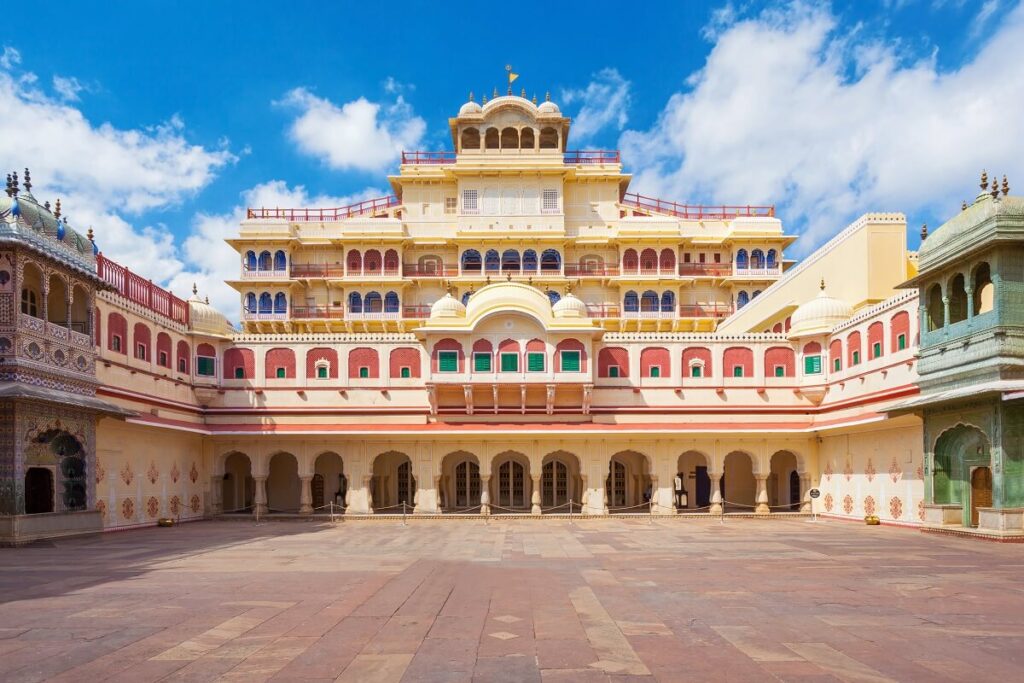
The City Palace in Jaipur is one of Rajasthan’s greatest architectural and cultural landmarks. Built by Maharaja Sawai Jai Singh II in the 18th century, this palace blends Mughal and Rajput styles with European influences, making it a living symbol of Jaipur’s royal legacy. Within its vast complex, several unique attractions draw travelers from around the world. Each corner tells a story of power, tradition, and artistry.
If you plan to explore the City Palace, here are the five must-see attractions that deserve your attention.
1. Mubarak Mahal – The Palace of Welcome
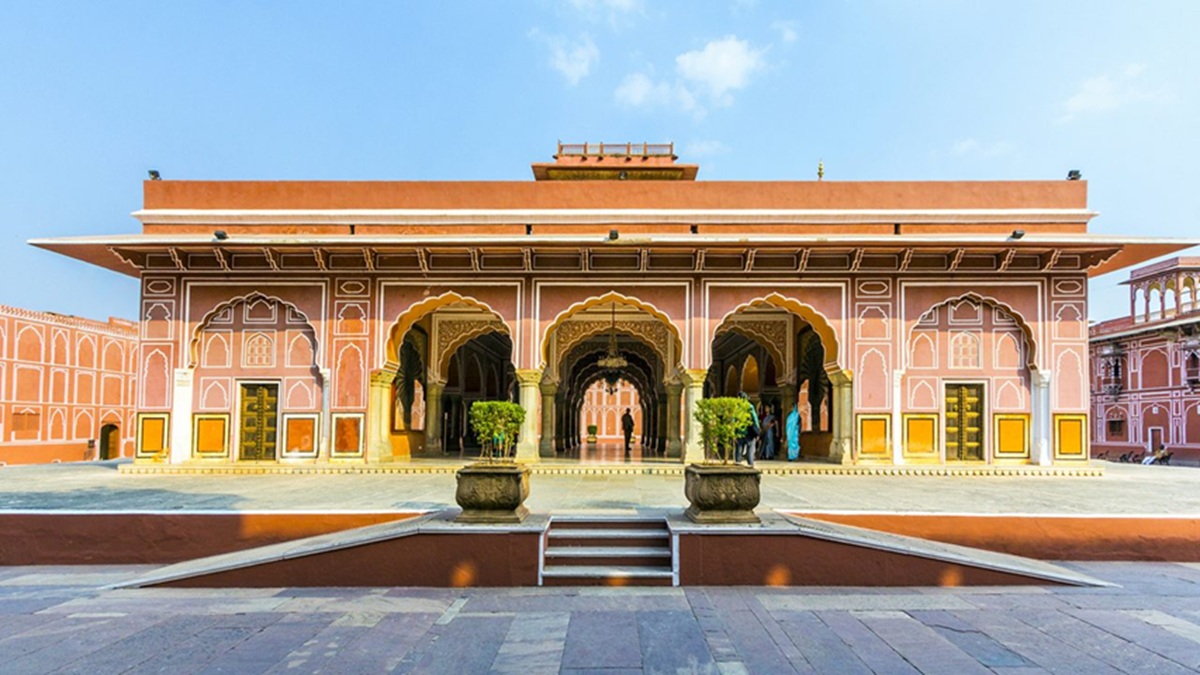
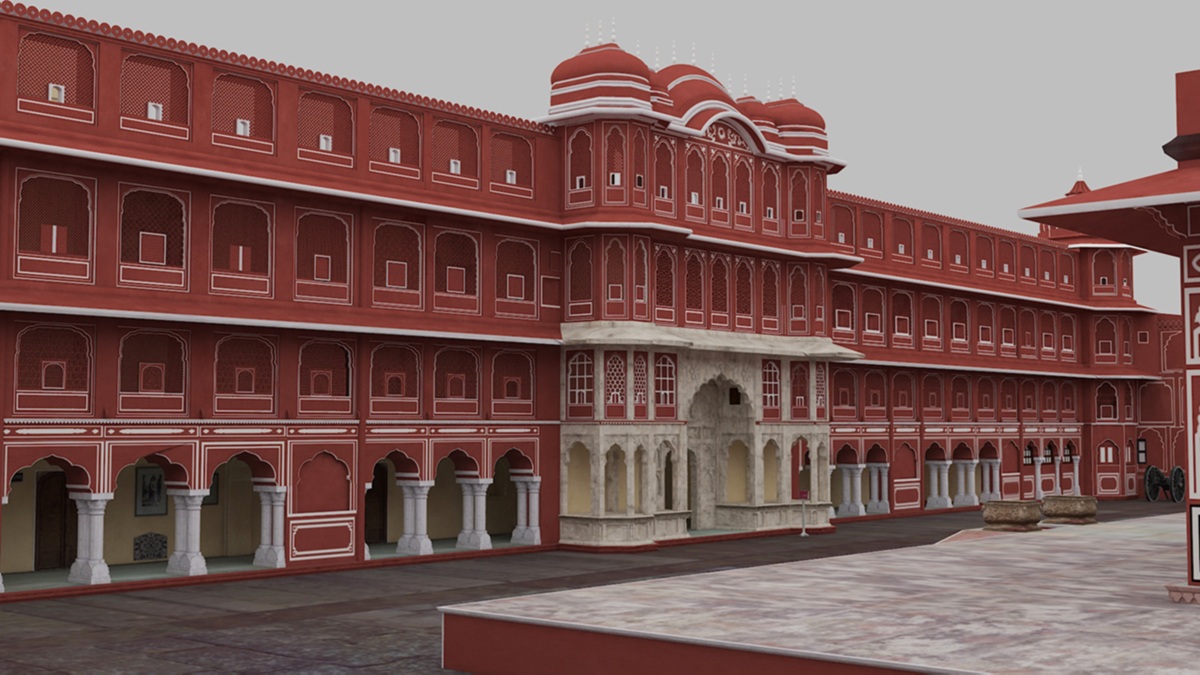
Mubarak Mahal, which translates to the “Auspicious Palace,” greets visitors at the entrance of the City Palace complex. Built in the late 19th century by Maharaja Madho Singh II, this structure was originally designed to receive foreign dignitaries and special guests. Its Indo-Saracenic style, blending Mughal, Islamic, and European architecture, sets the tone for the grandeur inside the palace complex.
Today, Mubarak Mahal houses the Maharaja Sawai Man Singh II Museum, where textiles and garments from different centuries are displayed. Visitors will find royal robes, costumes embroidered with fine zari work, Kashmiri pashminas, and garments worn by the rulers themselves. One of the highlights is the robe of Maharaja Madho Singh I, known for his extraordinary physique, which showcases the scale of tailoring for royalty.
Intricate carvings, delicate jali (lattice) work, and ornate balconies add visual charm to Mubarak Mahal. The palace is a favorite among photographers, thanks to its stunning façade and symmetry. For travelers interested in art, fashion history, or royal lifestyle, Mubarak Mahal is a fascinating introduction to the grandeur of Jaipur’s rulers. Spending time here before moving further inside the complex allows you to connect with the artistic traditions that defined Rajput courts.
Dive Deeper Into Hawa Mahal Jaipur – History, Entry Fees & Best Photo Spots
2. Chandra Mahal – The Royal Residence
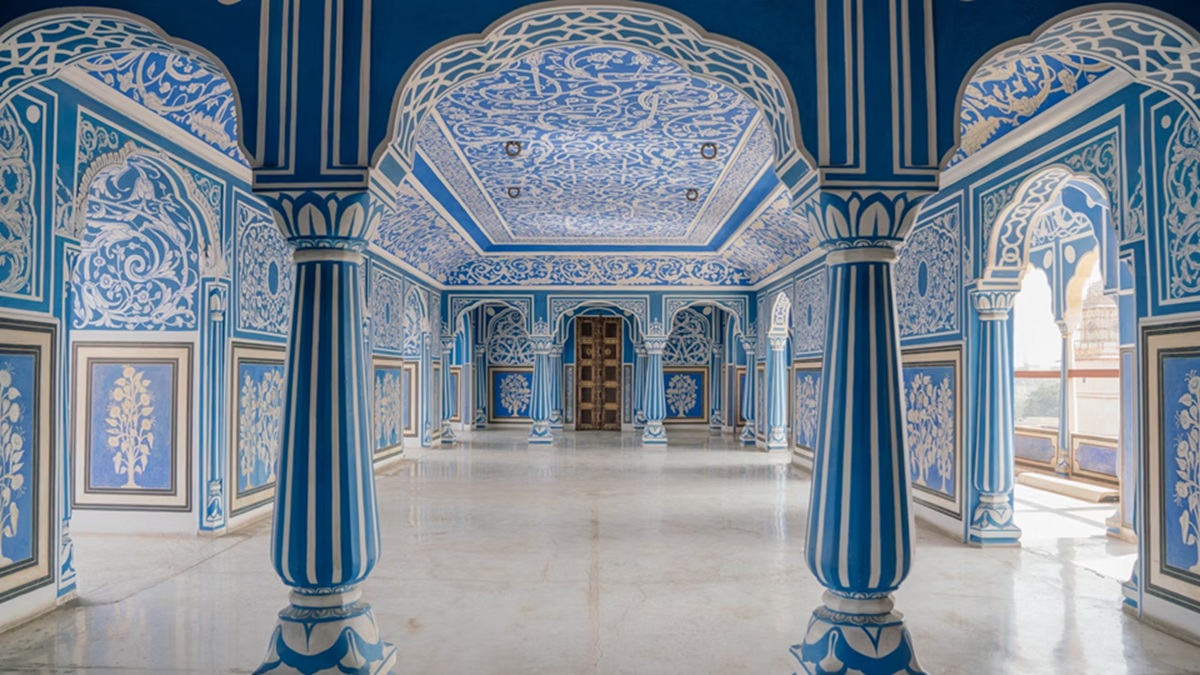
Chandra Mahal is the most iconic structure within the City Palace, standing tall with seven floors, each decorated with distinct motifs and designs. While parts of this palace remain a private residence for Jaipur’s royal family, sections are open to visitors through guided tours.
The ground floor houses a museum displaying manuscripts, rare artworks, and weapons from Rajasthan’s royal heritage. The upper floors, such as the Sukh Niwas (Hall of Rest), Rang Mandir (Hall of Colors), and Chhavi Niwas (Hall of Images), showcase spectacular frescoes, mirrors, and decorative patterns. The seventh floor, known as Mukut Mandir, offers panoramic views of Jaipur city, including the Hawa Mahal and Nahargarh Fort in the distance.
What makes Chandra Mahal unique is the way it represents the private and ceremonial life of Jaipur’s rulers. The Peacock Gate, located at the entrance to the inner courtyard, is a highlight in itself. With four beautifully painted gates representing the seasons, the Peacock Gate stands out with its vibrant peacock motifs, symbolizing autumn. This gate is one of the most photographed spots in the City Palace.
For visitors, a guided tour of Chandra Mahal is worth investing in. Not only do you get access to more intimate royal spaces, but you also gain insights into the traditions and rituals of the Jaipur court. Walking through these richly decorated chambers feels like stepping back into the time when Jaipur’s kings ruled with grandeur and grace.
Check the Complete Itinerary Details: Jaipur, Udaipur & Chittorgarh Tour – 5 Days Trip
3. Pritam Niwas Chowk – The Courtyard of Seasons
Pritam Niwas Chowk, meaning the “Courtyard of the Beloved,” is one of the most enchanting spaces inside the City Palace. Surrounded by delicate arches and walls, this courtyard is renowned for its four gates, each representing a different season and Hindu deity.
- Peacock Gate: Symbolizes autumn and is dedicated to Lord Vishnu. Its intricate peacock designs are among the most photographed elements in Jaipur.
- Lotus Gate: Represents summer and is associated with Lord Shiva and Goddess Parvati. Its lotus motifs add elegance to the walls.
- Rose Gate: Depicts winter and honors Goddess Devi. The rose patterns and delicate pink hues add charm to the design.
- Leheriya (Wave) Gate: Represents spring and is dedicated to Lord Ganesha, symbolizing prosperity and new beginnings.
Expand Your Knowledge on Best Things to Do in Jaipur with Kids – Family Fun Guide
Each gate is a masterpiece of Rajasthani artistry, decorated with vibrant frescoes and intricate details. Visitors often spend significant time here capturing photographs, as the courtyard provides a direct connection between spirituality, art, and seasonal cycles.
Beyond its visual appeal, Pritam Niwas Chowk also serves as the ceremonial gateway to Chandra Mahal. Historically, it was used for religious processions, cultural rituals, and gatherings where the king addressed his subjects. The courtyard’s architecture blends symmetry with symbolism, reflecting Jaipur’s identity as a city planned with cosmic principles in mind.
Today, Pritam Niwas Chowk stands as one of the most Instagram-worthy spots in Jaipur. But beyond social media appeal, it invites reflection on how art, religion, and daily life merged seamlessly in Rajasthan’s royal courts.
See the Full Itinerary for Your Trip: 5 Days Jaipur & Ranthambore Safari Itinerary
4. Diwan-i-Khas – The Hall of Private Audience
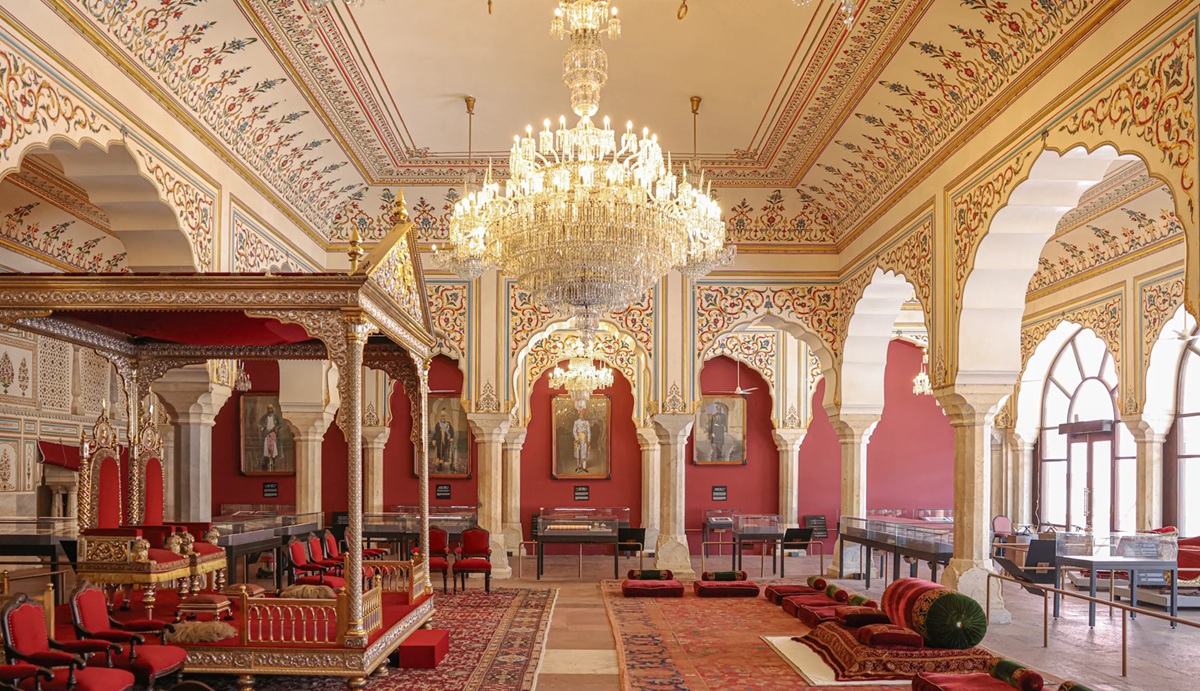
Diwan-i-Khas, or the Hall of Private Audience, was the venue where Jaipur’s rulers met their courtiers, nobles, and foreign envoys. Built with white marble and adorned with gold leaf work, the hall is one of the finest examples of Indo-Islamic architecture within the City Palace.
One of the main highlights of Diwan-i-Khas is the pair of giant silver vessels known as Gangajalis. These vessels, each standing over five feet tall, are listed in the Guinness Book of Records as the largest silver objects in the world. They were used by Maharaja Madho Singh II to carry holy Ganga water during his trip to England for the coronation of King Edward VII in 1902. The vessels symbolize devotion, purity, and the importance of rituals in royal life.
The hall itself features intricately painted ceilings, chandeliers, and walls decorated with rich patterns. Visitors walking through Diwan-i-Khas can almost imagine the grandeur of royal assemblies, where important political decisions were once made.
See the Full Itinerary for Your Trip: 5 Days Jaipur & Ranthambore Safari Itinerary
For modern travelers, Diwan-i-Khas offers both historical context and cultural depth. It shows how the rulers of Jaipur combined opulence with piety, ensuring that their spiritual practices remained intact even while engaging with global powers. Photographers are especially drawn to the contrast of the hall’s marble floor, red carpet, and ornate design elements.
Today, Diwan-i-Khas is one of the most visited spots in the City Palace, often leaving visitors in awe of the blend of devotion and diplomacy it represents.
Explore Day-by-Day Travel Itinerary: 4 Days Jaipur, Ajmer & Pushkar Tour Package
5. Diwan-i-Aam – The Hall of Public Audience
While Diwan-i-Khas was reserved for private meetings, Diwan-i-Aam served as the hall where the Maharaja addressed the general public. Larger and simpler in design compared to its counterpart, this hall played a crucial role in connecting Jaipur’s rulers with their subjects.
The hall is supported by rows of painted arches and decorated with intricate patterns that reflect both Rajput and Mughal influences. Here, the king listened to the grievances of the people, resolved disputes, and announced important decrees. This openness in governance reflected the Maharaja’s role not only as a ruler but also as the guardian of justice.
Today, visitors to Diwan-i-Aam will find displays of manuscripts, royal decrees, and artifacts that highlight the administrative history of Jaipur. The hall also contains rare Persian and Sanskrit texts, offering insights into the intellectual pursuits of the court.
Read Also: Jaipur Monuments – Entry Fees, Timings & Tourist Info
Though less ornate than Diwan-i-Khas, the Hall of Public Audience carries an aura of respect and authority. Its spacious design reflects its purpose: accommodating large gatherings of citizens and officials. For travelers, Diwan-i-Aam represents the democratic spirit that existed within monarchical traditions, showing how rulers balanced grandeur with responsibility.
For those interested in cultural history, this hall completes the City Palace experience, reminding visitors that Jaipur’s rulers were not only patrons of art but also custodians of their people’s welfare.
Explore Also: Moti Dungri Ganesh Temple Jaipur – Festivals & Visitor Guide
FAQs
Q. What are the visiting hours of City Palace Jaipur?
Ans. City Palace Jaipur is open daily from 9:30 AM to 5:00 PM. Evening visits with special light and sound shows run from 7:00 PM to 10:00 PM. It is recommended to visit early morning or late afternoon for a comfortable experience.
Q. What is the entry ticket price for City Palace Jaipur?
Ans. The general entry ticket costs INR 200 for Indian visitors and INR 700 for foreign tourists. For full access to royal museums and private courtyards, premium tickets range from INR 1,500 to INR 3,000. Prices may vary during special exhibitions.
Q. How much time should I spend at City Palace Jaipur?
Ans. A typical visit takes 2 to 3 hours. If you plan to explore museums, courtyards, and join a guided tour, set aside at least 4 hours. Evening cultural events may add extra time to your visit.
Q. What are the top attractions inside City Palace Jaipur?
Ans. The top attractions include Chandra Mahal, Mubarak Mahal, Diwan-i-Khas, Diwan-i-Aam, and the Pritam Niwas Chowk. Each section has unique art, royal architecture, and historic exhibits worth exploring.
Q. Is photography allowed inside City Palace Jaipur?
Ans. Photography is permitted in most outdoor courtyards and museum galleries. However, flash photography and tripods are restricted. Certain royal chambers require a special permit for photography.
Q. What is the best time of year to visit City Palace Jaipur?
Ans. October to March is the best time, when Jaipur’s weather is pleasant and suitable for sightseeing. Avoid peak summer months (April to June), as temperatures may exceed 40°C.
Q. How do I reach City Palace Jaipur?
Ans. City Palace is located in the heart of Jaipur’s old city. It is 12 km from Jaipur International Airport and 4 km from the railway station. Auto-rickshaws, cabs, and local buses are easily available.
Q. Are guided tours available at City Palace Jaipur?
Ans. Yes, both government-certified guides and private tour operators offer guided tours. Audio guides are also available. Guided tours enhance the experience by sharing historical context and royal anecdotes.
Q. Can I visit City Palace Jaipur at night?
Ans. Yes, the palace offers special night tours and cultural programs from 7:00 PM to 10:00 PM. Night visits showcase illuminated courtyards and traditional Rajasthani performances.
Q. Is there a dress code for City Palace Jaipur?
Ans. There is no strict dress code, but modest clothing is recommended as the palace includes sacred spaces. Comfortable walking shoes, hats, and light cotton clothing are best during summer.
Q. Is City Palace Jaipur wheelchair accessible?
Ans. The palace has partial wheelchair accessibility, with ramps at key entrances. However, certain upper floors and narrow staircases may be challenging. Visitors with mobility needs are advised to check in advance.
Q. Are there restaurants or cafes inside City Palace Jaipur?
Ans. Yes, City Palace has cafes and fine dining restaurants such as Baradari, offering authentic Rajasthani cuisine and continental dishes. These are ideal for relaxing after sightseeing.
Explore Also: Plan a Fast Delhi-to-Jaipur Trip Today—Car or Train? Click to Decide!
Conclusion
The City Palace Jaipur is not a single monument but a collection of living histories preserved in architecture, art, and tradition. Among its many corners, these five attractions—Mubarak Mahal, Chandra Mahal, Pritam Niwas Chowk, Diwan-i-Khas, and Diwan-i-Aam—stand out as unmissable highlights. Each space reveals a different dimension of Jaipur’s royal life, from welcoming dignitaries and hosting grand ceremonies to showcasing private rituals and addressing the public.
Exploring these attractions gives travelers a deeper understanding of how Jaipur became the “Pink City” known for its cultural richness. The architectural styles—ranging from Mughal to Rajput to European—demonstrate the openness and innovation of its rulers. The palaces, halls, and courtyards are not just relics but living symbols of governance, spirituality, and art.
For photography lovers, the vibrant gates of Pritam Niwas Chowk and the grandeur of Chandra Mahal offer endless inspiration. For history enthusiasts, the silver vessels in Diwan-i-Khas and the manuscripts in Diwan-i-Aam highlight the depth of Jaipur’s traditions. And for casual visitors, simply walking through these palatial spaces is a chance to experience the grandeur of a bygone era.
When visiting Jaipur, allocate at least two to three hours to explore the City Palace complex. A guided tour enhances the experience, offering insights that connect the monuments to the city’s living culture. Whether you’re drawn to history, architecture, or photography, the City Palace promises an experience that stays with you long after you leave.
Continue Your Journey for visit Jaipur:
- Tripolia Bazaar Jaipur – Famous for Crafts & Bangles Shopping
- Sisodia Rani Garden Jaipur – Heritage Murals & Travel Guide
- Raj Mandir Cinema Jaipur – Iconic Theater & Ticket Info
- Galtaji Monkey Temple Jaipur – Timings & Visitor Guide
- Birla Mandir Jaipur – Marble Temple & Best Time to Visit
- Patrika Gate Jaipur – Instagram Spot & Visiting Hours
- Chokhi Dhani Jaipur – Cultural Village Shows & Food
- Govind Devji Temple Jaipur – Darshan Timings & Significance
- Jaipur to Ranthambore Travel Guide – Best Routes & Tips
- Famous Temples in Jaipur – Top Spiritual Places to Visit
- Best Things to Do in Jaipur with Kids – Family Fun Guide
- Jaipur Monuments – Entry Fees, Timings & Tourist Info
- Cooking Classes in Jaipur – Learn Authentic Rajasthani Cuisine
- Jaipur Literature Festival 2025 – Venue, Dates & Highlights
- Hawa Mahal Jaipur – History, Entry Fees & Best Photo Spots
- Bapu Bazaar Jaipur – Shopping Guide, Things to Buy & Tips
- Johari Bazaar Jaipur – Jewelry Market, Gold Shops & Timings
- Chokhi Dhani Jaipur – Village Experience & Booking Tips
- Moti Dungri Ganesh Temple Jaipur – Festivals & Visitor Guide
- Experience History: Tour Delhi to Neemrana Fort Now!
- Take a One-Day Trip from Delhi to Jaipur by Train – Book Your Journey Today!