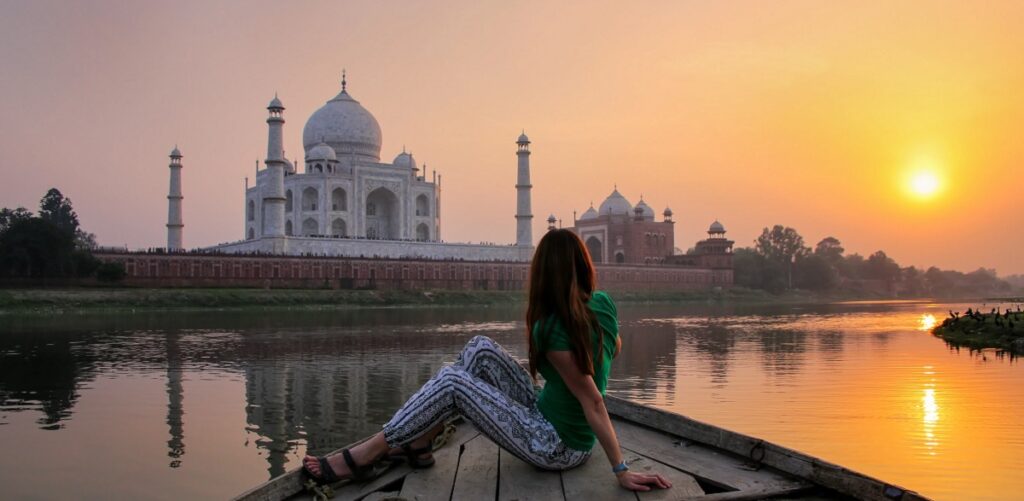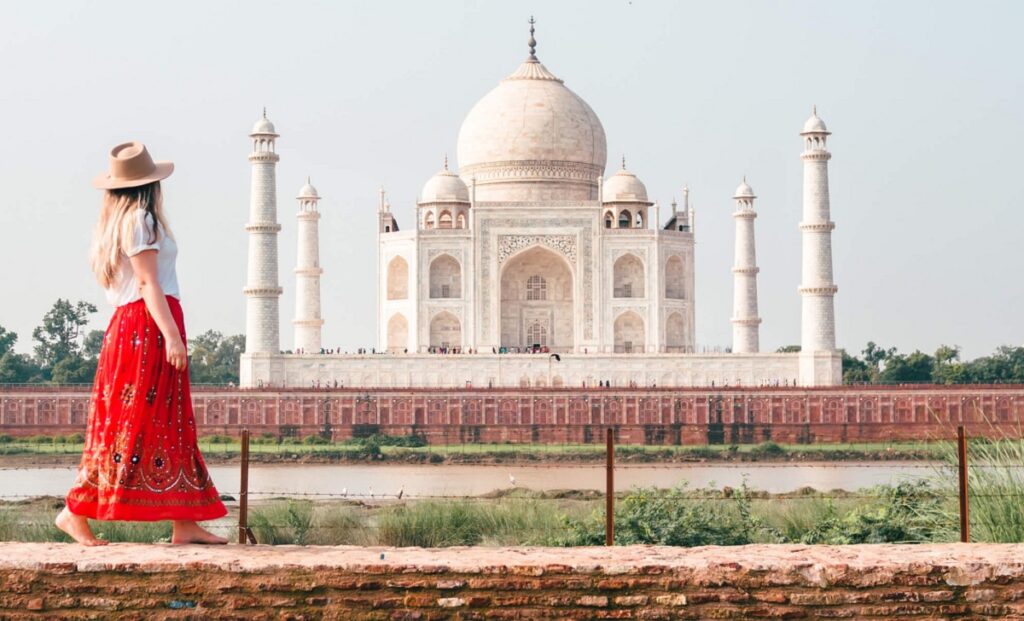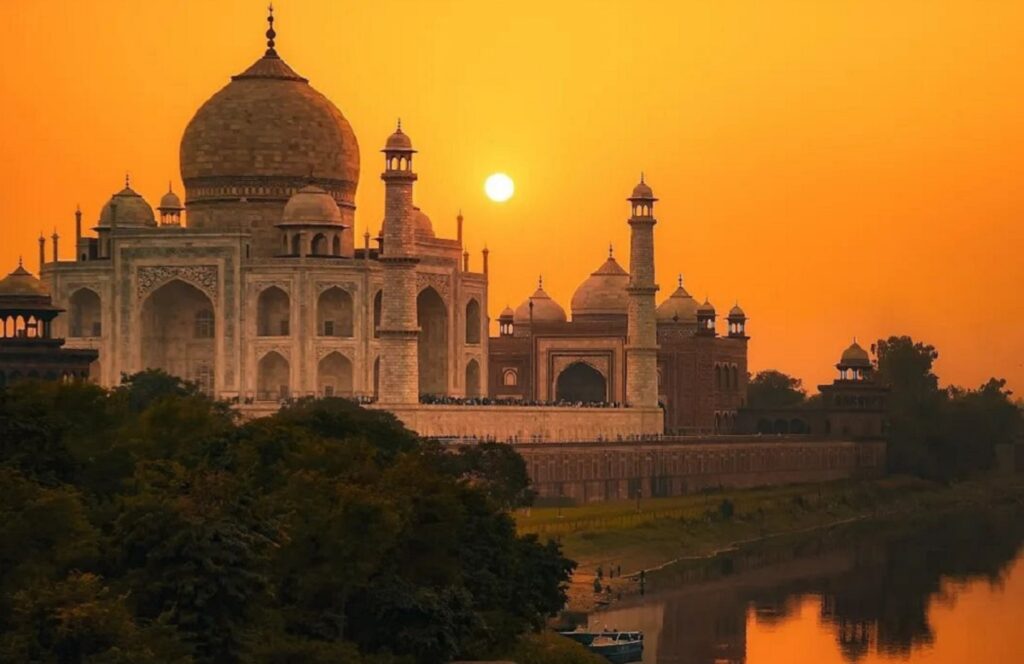
Few landmarks on earth carry the same magnetism as the Taj Mahal. This ivory-white mausoleum on the banks of the Yamuna River has become the world’s most recognisable symbol of love. Yet while the monument itself never changes, the way you experience it certainly does. The season, the weather, even the time of day Taj Mahal in Agra can transform your visit from a crowded tick-box tour into something deeply memorable.
If you’ve seen photographs of the Taj glowing in the golden light of dawn, you’ll know why travellers obsess about timing. Early risers often enjoy softer light, fewer people, and a more intimate atmosphere. Arrive in the middle of a foggy January morning, though, and you may find the dome half-hidden in mist. Visit in May and the marble shimmers in punishing heat, while in July heavy monsoon showers can send crowds scurrying for cover—but also leave the gardens fresh and green.
So, when is the best time to visit the Taj Mahal? The short answer: October through March offers the most comfortable conditions, with clear skies and pleasant daytime temperatures around 15–30°C. But each season has its own advantages. Off-season months can mean cheaper hotels and rare moments when you’ll have the gardens almost to yourself.
This guide will take you through the weather month by month, show you how to avoid the worst of the queues, and help you plan a visit that matches your budget, your photography goals, and your appetite for crowds.
Best Time to Visit at Taj Mahal in Agra
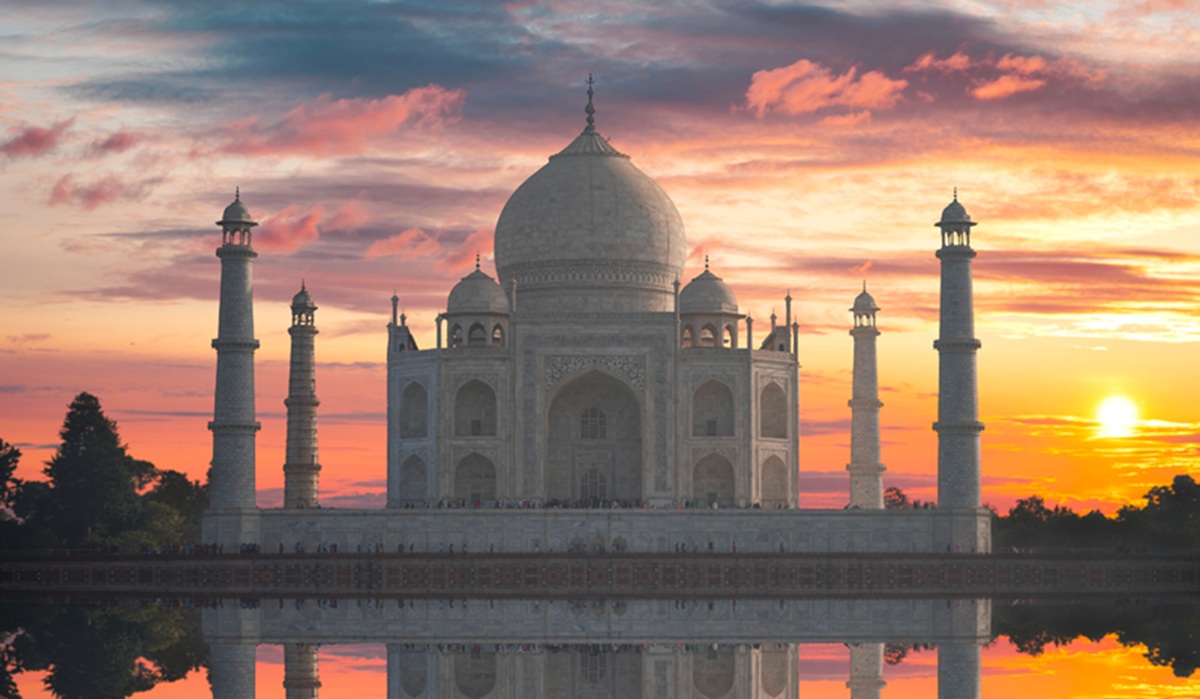
Peak Season: October – March
This is when Agra enjoys cool, dry weather with daytime highs between 15 and 30°C. It’s comfortable for walking, photography, and long days of sightseeing. Unsurprisingly, it’s also the busiest time. Expect larger crowds at sunrise and sunset, particularly around Christmas, New Year, and during February’s Taj Mahotsav festival. For most first-timers, this is the safest and most rewarding window.
Shoulder Months: September & April
Temperatures hover between 25 and 35°C, which can feel warm in the middle of the day but still manageable if you plan early morning visits. Crowds are lighter than winter, and you’ll often find better hotel availability. September brings the freshness of the post-monsoon season, while April offers warm evenings and longer daylight hours.
Off-Season: May – August
This period is hot, humid, and at times uncomfortable, with highs reaching 40–45°C before the monsoon rains arrive. July and August bring heavy downpours that cool the air but can make outdoor touring tricky. The silver lining? Hotels slash rates, sites are less crowded, and the Taj’s gardens look lush against grey skies. If you’re budget-conscious and don’t mind unpredictable weather, this is your chance for a quieter visit.
Plan Your Journey with This Itinerary: Same Day Agra Mathura Tour by Road
Pros and Cons by Season
| Season | Weather | Crowds | Best For | Avoid If… |
|---|---|---|---|---|
| Winter (Oct–Mar) | Cool, dry (15–30°C) | High | Photography, sunrise visits, festival season | You’re on a tight budget |
| Summer (May–Jun) | Very hot (30–45°C) | Low | Indoor sites (Agra Fort, museums) | You want comfortable outdoor walks |
| Monsoon (Jul–Aug) | Humid, rainy (25–35°C) | Low | Lush gardens, unique photos | You prefer dry skies |
| Shoulder (Sep & Apr) | Warm (25–35°C) | Medium | Early morning Taj visits, value hotels | You dislike midday heat |
Why October–March dominates searches: clear skies, gentle temperatures, and the classic photos travellers dream about. Still, those who visit outside this window often enjoy quieter grounds and surprising photo opportunities.
Uncover More Strategies for: ExplorevUnderrated Monuments in India Worth Visiting
Agra Weather Guide – Month by Month
October – November
- Weather: 20–30°C, clear skies, low rainfall.
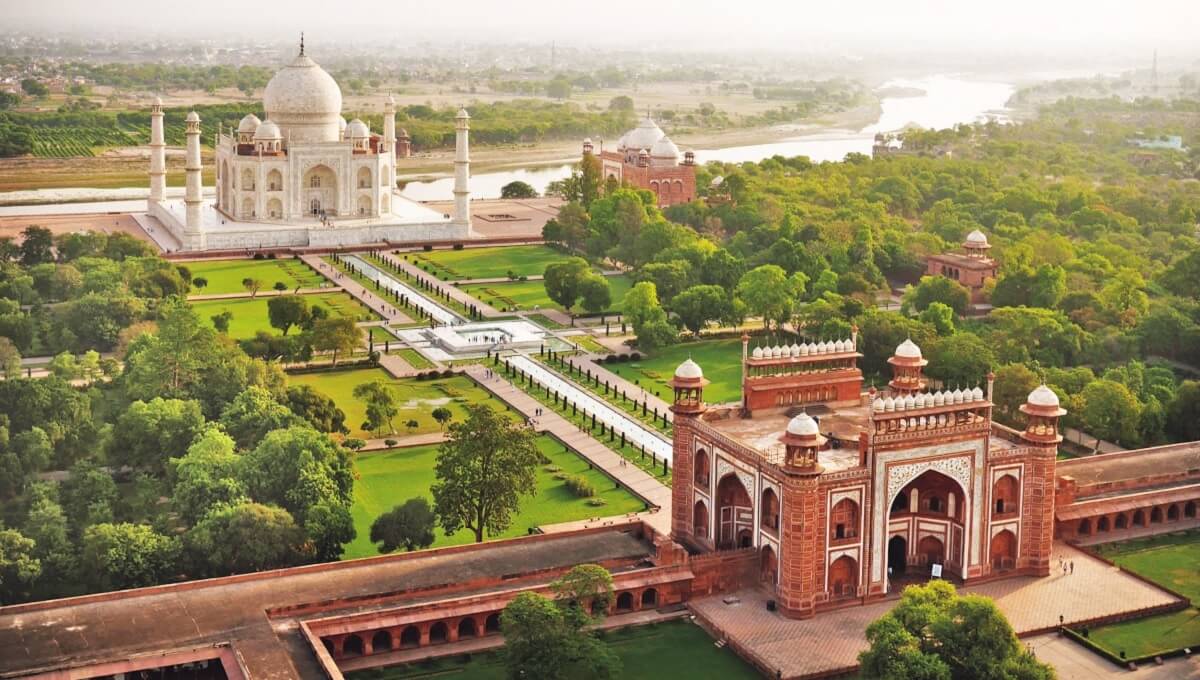
- Experience: The monsoon has washed the city clean, gardens are fresh, and skies are sharp—ideal for photography. Sunrise visits are stunning, and the crowds aren’t yet at peak levels.
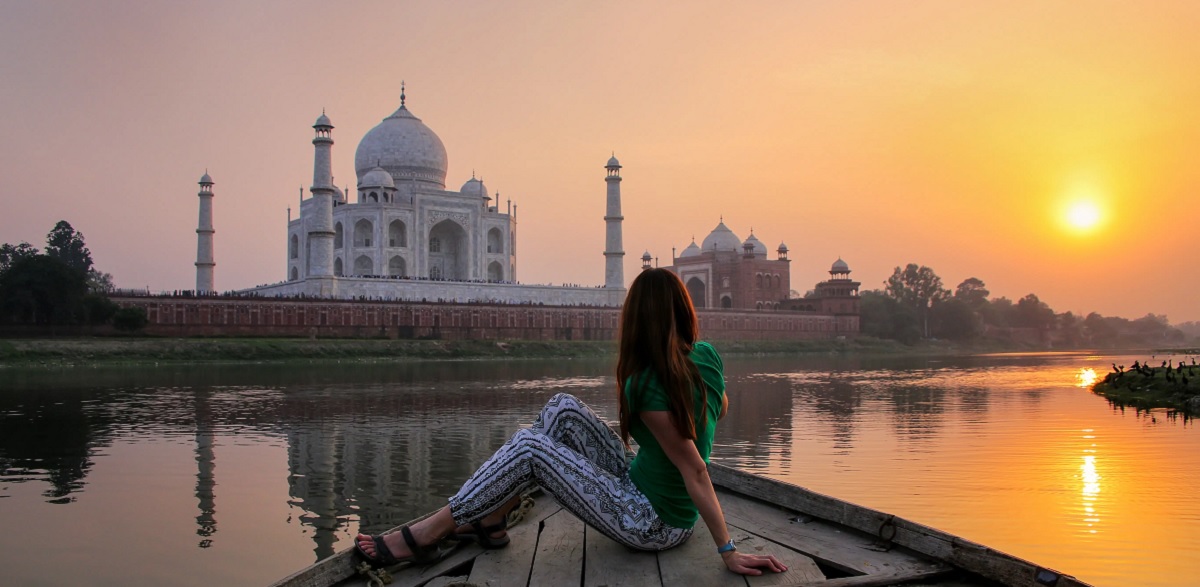
- Tip: October evenings are perfect for exploring Mehtab Bagh across the river for sunset views.
December – January
- Weather: 10–25°C. Cool days but chilly mornings; fog is common.
- Experience: The busiest months. Early fog can hide the dome, so mid-morning visits may give better clarity. By midday the marble glows beautifully under a crisp blue sky.
- Tip: Pack a jumper or scarf. If fog delays your sunrise shot, wait—conditions often clear by late morning.
February – March
- Weather: 15–30°C, dry and pleasant.
- Experience: Arguably the sweet spot. Comfortable weather, moderate crowds, and the Taj Mahotsav festival in late Feb, which fills Agra with craft stalls, music, and food.
- Tip: Book accommodation early if you’re travelling during the festival.
April
- Weather: 25–35°C. Warm, dry, longer days.
- Experience: Crowds start to thin, but mornings and evenings are still enjoyable. The marble can feel hot to touch in the afternoon.
- Tip: Arrive for gates opening at 6 am and retreat indoors by midday.
Check the Complete Itinerary Details: 3 Days Delhi Agra Jaipur Tour Package
May – June
- Weather: 30–45°C, often scorching.
- Experience: The heat makes midday visits punishing. Expect fewer tourists and heavily discounted hotel rates.
- Tip: Visit the Taj as soon as gates open, then spend the afternoon in shaded spots like Agra Fort or local cafés.
July – August
- Weather: 25–35°C, heavy monsoon rain, high humidity.
- Experience: The least crowded months. Showers can be inconvenient, but they make the gardens lush and reflections in the Yamuna striking.
- Tip: Carry an umbrella and waterproof bag. Early mornings are usually driest.
September
- Weather: 25–33°C, light post-monsoon showers.
- Experience: A transition month—skies clear, humidity drops, and crowds haven’t fully returned.
- Tip: Great time for photography, especially with fresh greenery and fewer people in the frame.
Expand Your Knowledge on: Top 10 Most Searched Travel Destinations in India 2025
Monthly Weather & Activities Table
| Month | Avg. Temp (°C) | Rainfall (mm) | Humidity (%) | Best Activities |
|---|---|---|---|---|
| Oct | 20–30 | ~20 | 60 | Sunrise tours, Mehtab Bagh sunsets |
| Nov | 15–28 | ~10 | 55 | Classic photography, day trips to Fatehpur Sikri |
| Dec | 10–25 | ~5 | 70 | Taj Mahotsav prep, midday visits |
| Jan | 8–23 | ~10 | 75 | Clear mid-day shots, warm tea in gardens |
| Feb | 12–26 | ~15 | 65 | Festival visits, all-day sightseeing |
| Mar | 15–30 | ~20 | 55 | Balanced weather, sunrise photos |
| Apr | 25–35 | ~20 | 50 | Early entries, evening strolls |
| May | 30–40 | ~30 | 45 | Sunrise tours, indoor Agra Fort |
| Jun | 32–42 | ~60 | 55 | Very early visits, shaded cafés |
| Jul | 25–33 | ~200 | 80 | Green gardens, moody skies |
| Aug | 25–34 | ~220 | 85 | Photography after showers, museum stops |
| Sep | 25–33 | ~120 | 70 | Fresh greenery, manageable crowds |
What to Do in Agra – Taj Mahal and Beyond
While the Taj Mahal will likely be your main reason for coming to Agra, the city and its surrounds have plenty to fill out a day or two. What you choose depends a lot on the season.
See How This Connects to: Weekend Getaways Near Noida: Top 10 Short Trips
Peak Season Highlights (Oct – Mar)
- Taj Mahal sunrise or sunset: The classic experience. Arrive 30–40 minutes before gates open to be among the first inside. Sunset on the western terrace or across the river at Mehtab Bagh offers softer light and fewer people.
- Agra Fort: Just 2.5 km from the Taj, this red sandstone fort is partly a palace, partly a fortress. In cool weather it’s an easy half-day wander.
- Mehtab Bagh: A Persian-style garden across the Yamuna, aligned perfectly with the Taj. Photographers flock here for evening shots.
- Fatehpur Sikri: A UNESCO World Heritage site about 40 km west. Built in the 16th century, it’s best visited on a mild winter’s day.
- Taj Mahotsav (Feb): A 10-day festival with local crafts, performances, and street food. Book rooms early—Agra fills quickly.
Follow This Perfect Travel Route: Same Day Agra Tour by Train from Delhi
Monsoon and Off-Season (May – Aug)
- Taj Museum: Inside the complex, with exhibits on Mughal history. A good option when it’s wet.
- Baby Taj (Itimad-ud-Daulah): A jewel box of white marble often overshadowed by its famous cousin, but quieter and ideal when you want fewer people around.
- Café hopping: Agra has an emerging café culture. Good stops for monsoon afternoons include Sheroes Hangout (run by acid attack survivors) and local bakeries near Sadar Bazaar.
- Mehtab Bagh after rain: The gardens glow green, and you may get reflection shots if the Yamuna rises.
Shoulder Months (Sep & Apr)
- Mix and match: These months are warm but not unbearable. Combine a sunrise Taj visit with a half-day at Agra Fort, then retreat indoors mid-afternoon.
- Markets: Kinari Bazaar bustles with textiles, spices, and souvenirs. Best enjoyed when the weather is warm but not stifling.
Discover More on This Topic: Top Historical Places in North India for Family Trips
Taj Mahal Travel Tips: Crowds, Tickets, and Planning
Crowd Avoidance
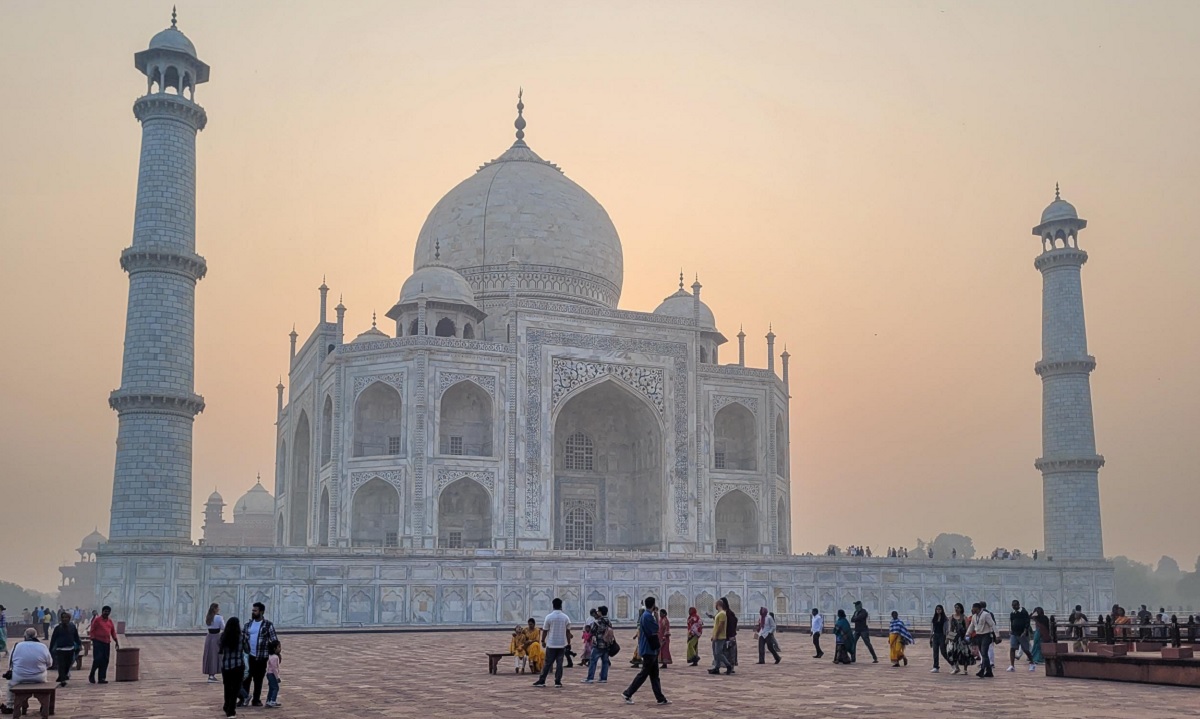
- Best time of day: Arrive at the East Gate at 5:30–5:45 am to be at the front when it opens at 6 am. You’ll have around 30–45 minutes of relative quiet before the big groups arrive.
- Weekdays vs weekends: Weekends, public holidays, and festival periods are much busier. Aim for Tuesday–Thursday for the lightest flow.
- Fridays: The Taj is closed to tourists for mosque prayers. Plan accordingly.
Tickets and Costs
- Entry fees: Indians ₹50, foreign visitors ₹1,100. Add ₹200 if you want direct access to the main mausoleum chamber.
- Booking: Buy online through the official ASI website or app to avoid long queues. Keep your passport handy for ID.
- Extras: Sunrise and sunset timings don’t change ticket prices, but sunrise entry is worth the early alarm.
Budgeting
- Hotels: Prices can double in Dec–Feb, especially during Christmas, New Year, and Taj Mahotsav. May–Aug is cheapest, with 30–50% discounts.
- Transport: Shared tuk-tuks are cheapest, but for comfort book a prepaid cab through your hotel.
Packing
- Winter (Dec–Jan): A warm layer for early mornings, scarf, and comfortable shoes.
- Summer (May–Jun): Sunscreen, hat, refillable bottle. Consider a cooling scarf.
- Monsoon (Jul–Aug): Umbrella, quick-dry clothing, waterproof phone pouch.
Safety and Guides
- Use only ASI-licensed guides, easily identified by their ID badges.
- Watch out for pickpockets in queues. Keep cash and valuables zipped and close.
- Drones are banned. Don’t risk flying one—security is strict.
Explore Day-by-Day Travel Itinerary: 4 Days Agra and Delhi Travel Package
Frequently Asked Questions
What is the best month to visit the Taj Mahal?
October to March is ideal for mild weather, clear skies, and iconic photos. February is especially nice with the Taj Mahotsav festival.
Is the Taj Mahal open during the monsoon?
Yes. It’s open year-round except Fridays. Monsoon brings fewer crowds and greener gardens, but you’ll need rain gear.
When is the Taj Mahal least crowded?
Weekdays at sunrise, especially in July, August, and September. Off-season mornings are the quietest you’ll ever see the monument.
What time does the Taj Mahal open?
Gates open 30 minutes before sunrise and close 30 minutes before sunset. There are special night viewings during a full moon, which must be booked in advance.
Which gate should I use?
- East Gate: Best for sunrise, usually shorter queues.
- West Gate: Opens to larger groups; longer wait times.
- South Gate: Mainly exit.
Is the Taj Mahal open on Fridays?
No. It’s closed for mosque prayers. Plan visits for other days.
Do I need a guide?
Not strictly, but a licensed guide brings the history alive and helps navigate queues. Alternatively, audio guides are available.
Best time for Taj Mahal photography?
Sunrise is unbeatable for light and atmosphere. Midday in December–January gives sharp clarity once fog lifts. Sunset at Mehtab Bagh is excellent for silhouette shots.
How do I book Taj Mahal tickets?
Through the Archaeological Survey of India’s official portal or at the counters near the gates. Online is quicker and avoids hassles.
Conclusion
The Taj Mahal doesn’t just change with the light—it changes with the seasons. In winter (Oct–Mar), cool weather and clear skies make for classic postcard views but also heavier crowds. Spring (Feb–Mar) is often the sweet spot, balancing comfort and manageable visitor numbers. The shoulder months of September and April bring value and warmth, while the monsoon (Jul–Aug) delivers unique moods, emerald gardens, and rare quiet moments. Even the scorching summer (May–Jun) has its place for travellers seeking solitude and lower costs.
So the best time to visit the Taj Mahal depends on your priorities. Do you want the classic shot at sunrise with a crowd around you? Or would you rather brave the rain and capture something few others see? Whatever you choose, the Taj rewards the effort.
Plan smartly: book tickets online, arrive early, carry what you need for the season, and take time not just to photograph but to sit quietly and absorb the atmosphere. The Taj Mahal is more than a monument—it’s an experience. Time it right, and it will stay with you forever.
Must-Read Guides:
- One Day Trip from Delhi to Agra Taj Mahal
- Best Markets in Agra: Where to Buy Local Bazaars
- Red Fort vs Agra Fort: Key Differences & Which One to Visit
- Agra in February 2025: Weather, Best Places & Travel Tips
- Agra Monuments Guide: Entry Fees & Travel Info for Foreigners
- One Day Agra Trip: Can You Explore the Taj Mahal in a Day?
- Top 10 Must-Visit Destinations in Agra
- Taj Mahal Travel Tips: Important Dos and Don’ts for Tourists
- Taj Mahal Entry Guide: Gates, Layout & Access Points
- Taj Mahal Moonlight Visit: 2025–2026 Dates, Tickets & Tips
- Best Taj Mahal Viewpoints & Photography Spots
- Best Gate for Taj Mahal Sunrise: Visitor’s Guide
- Top Attractions on the Golden Triangle India Route
- Buland Darwaza Fatehpur Sikri: Facts & Visitor Guide
- Day Trips from Agra: Fatehpur Sikri, Mathura, and More Nearby Gems
- Hidden Places in Agra: Explore Beyond the Taj Mahal
- Discover Safety Tips for the India Golden Triangle – Travel Confidently
- Want a Deeper Cultural Experience? Explore the Golden Triangle Guides!
- Do I Need a Visa to Visit India’s Golden Triangle? Find Out Now!
- Don’t Miss India’s Golden Triangle – Follow This 4-7 Day Itinerary!