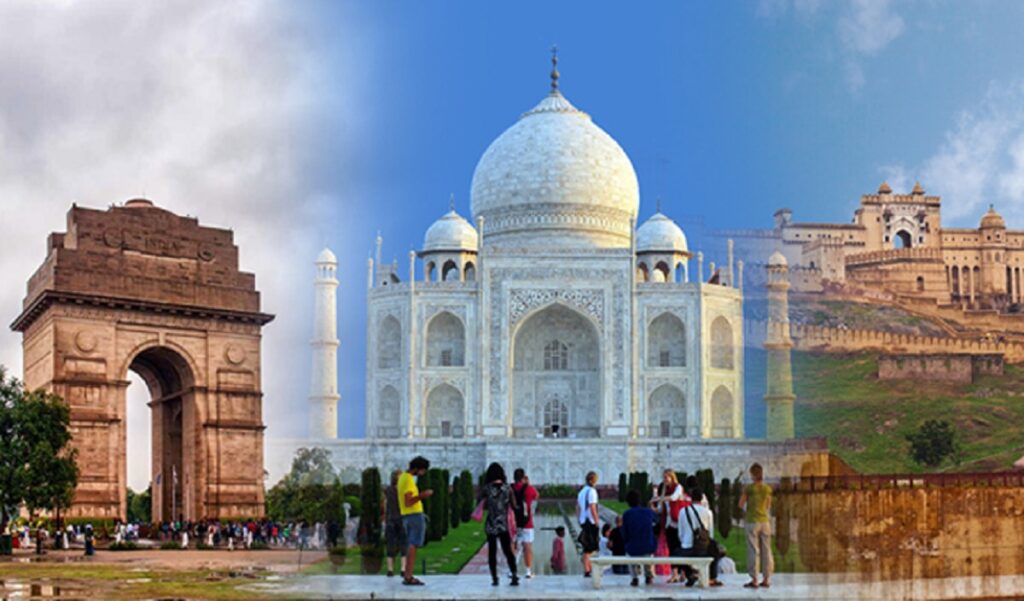
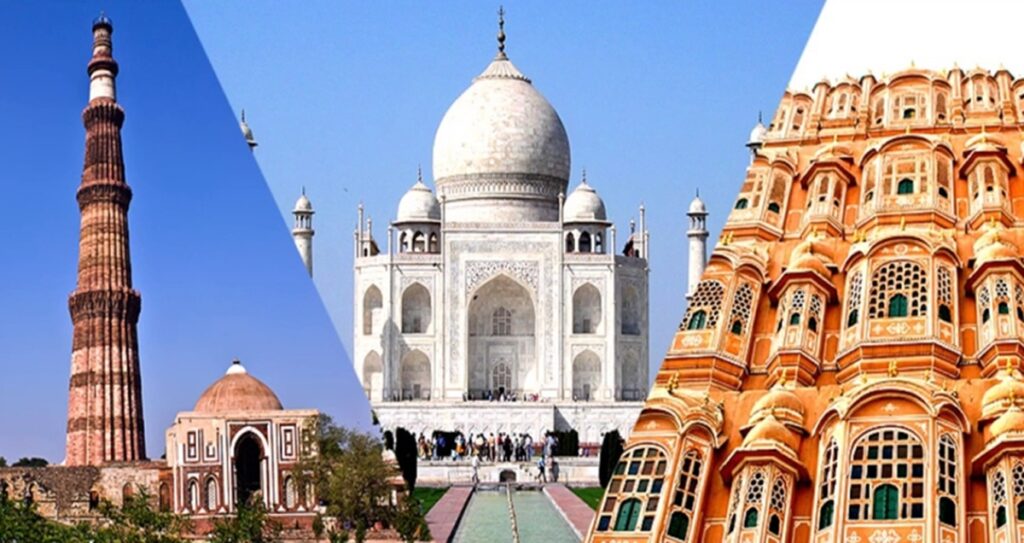
The Golden Triangle India – connecting Delhi, Agra, and Jaipur – is one of the most famous travel circuits in India. It offers travelers a mix of Mughal history, Rajput culture, vibrant markets, and world-class monuments like the Taj Mahal and Amber Fort.
While you can technically visit the Golden Triangle any time of the year, choosing the right season can transform your journey from a basic sightseeing trip into an unforgettable adventure.
Climate in the Golden Triangle Region
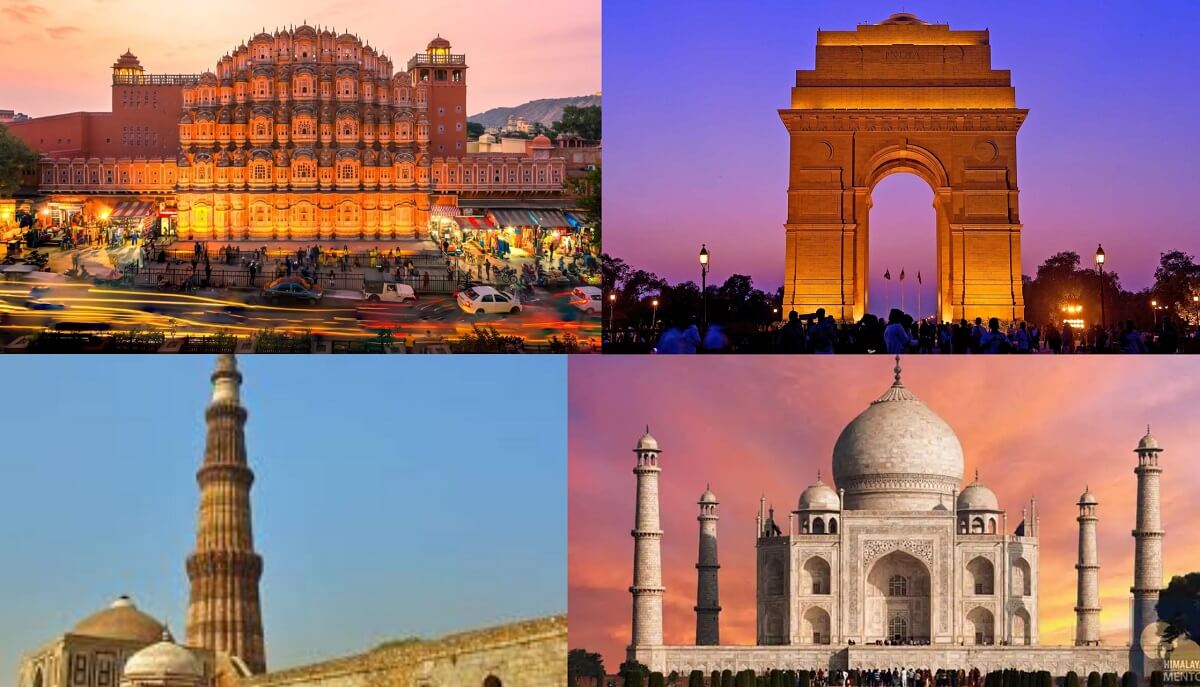
The Golden Triangle lies in north India, with a tropical and semi-arid climate. This means you’ll experience hot summers, cool winters, and a short monsoon season.
Here’s a quick glance at the average climate:
| Season | Months | Temperature Range | Weather Notes |
|---|---|---|---|
| Winter | October – March | 8°C – 25°C | Pleasant, best for sightseeing |
| Summer | April – June | 25°C – 45°C | Hot, dry, fewer tourists |
| Monsoon | July – September | 24°C – 35°C | Humid, occasional heavy rain |
Best Season to Visit – Winter (October to March)
If you want ideal sightseeing weather, winter is the best time to visit the Golden Triangle. Days are sunny but not too hot, and evenings are pleasantly cool.
Why Winter is the Best Time
- Comfortable climate for outdoor activities
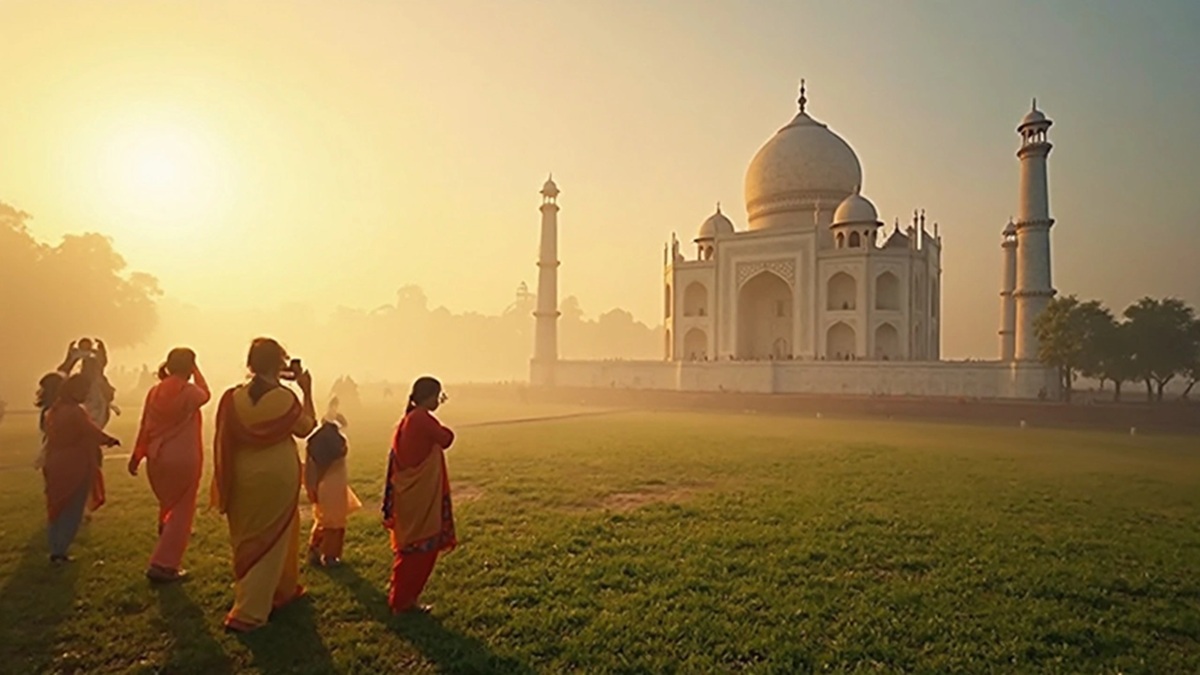
- Best light for photography (clear skies, golden sunsets)
- Perfect for walking tours, fort visits, and street markets
- Coincides with major festivals like Diwali, Christmas, Holi
Weather in Each City During Winter
- Delhi: 8°C to 22°C – crisp mornings and sunny afternoons
- Agra: 7°C to 20°C – fog possible in December–January mornings
- Jaipur: 10°C to 25°C – cool and dry, ideal for exploring forts
What to Pack for Winter
- Light woolens for evenings
- Comfortable walking shoes
- Sunglasses and sunscreen for daytime
- A shawl or scarf for early mornings
Winter Festivals to Enjoy
- Diwali (Oct/Nov): Cities lit with oil lamps, special bazaars
- Republic Day Parade (26 Jan, Delhi): Cultural floats, military display
- Holi (March): Color festival in Jaipur & Delhi
Travel Tip: Book hotels early – December and January are peak tourist months.
Suggested Package: Explore Golden Triangle Tour Packages
Visiting in Summer (April to June)
Summer is the off-season for the Golden Triangle due to intense heat, especially in May and June. However, if you can manage the heat, you’ll find fewer crowds and lower prices.
Why Consider Summer
- Budget-friendly – discounted hotels and tour packages
- Less crowded monuments – easier photography without people blocking your view
- Great for indoor attractions like museums and palaces
Weather in Each City During Summer
- Delhi: 28°C to 42°C – very hot afternoons
- Agra: 30°C to 45°C – dry heat, wear a hat and light cottons
- Jaipur: 30°C to 43°C – dry desert heat, evenings slightly cooler
What to Pack for Summer
- Light, breathable cotton clothes
- Wide-brimmed hat or cap
- Sunglasses and high-SPF sunscreen
- Reusable water bottle
Summer Travel Tips
- Sightsee early morning or late afternoon
- Take breaks in shaded areas or cafés
- Choose air-conditioned transport and hotels
Pro Tip: The Taj Mahal at sunrise in summer has fewer crowds and softer light.
Visiting in Monsoon (July to September)
Monsoon brings refreshing rains and lush greenery to the Golden Triangle, but also humidity and occasional flooding in Delhi.
Why Visit in Monsoon
- Romantic atmosphere – forts and palaces against cloudy skies
- Photographers love the soft lighting and fresh colors after rain
- Off-season prices on hotels and flights
Weather in Each City During Monsoon
- Delhi: 25°C to 35°C – humid, occasional waterlogging
- Agra: 25°C to 34°C – light to heavy showers, Taj Mahal looks magical in monsoon mist
- Jaipur: 24°C to 32°C – less rainfall, more pleasant than Delhi/Agra
What to Pack for Monsoon
- Quick-dry clothes and sandals
- Compact umbrella or raincoat
- Waterproof bag for electronics
- Mosquito repellent
Monsoon Travel Tips
- Keep flexible plans in case of rain delays
- Visit indoor attractions during heavy showers
- Jaipur is the driest city in this season – focus your time there.
Suggested Package: Visit 17 Days Rajasthan and Golden Triangle Tour
Month-by-Month Guide to Visiting the Golden Triangle India
October – Start of Peak Season
- Weather: Pleasant, 18°C–30°C. Clear skies and comfortable days.
- Festivals & Events: Dussehra and early Diwali shopping make the bazaars vibrant.
- Crowd Level: Start of peak tourist season; hotels begin filling up.
- Travel Tip: Perfect time for outdoor sightseeing in Jaipur and Agra without the scorching heat. Book hotels early as rates rise.
November – Diwali Magic
- Weather: Cooler, crisp mornings and nights (12°C–28°C).
- Festivals & Events: Diwali, India’s biggest festival, lights up all three cities with lamps, fireworks, and decorated markets. Pushkar Camel Fair also takes place nearby.
- Crowd Level: Very high, as it’s one of the most popular months.
- Travel Tip: Great for photographers—lit monuments and decorated streets. Book tickets and stays at least 2–3 months in advance.
December – Winter Charm
- Weather: 8°C–22°C. Cold mornings/evenings, warm afternoons.
- Festivals & Events: Christmas and New Year events in Delhi and Jaipur. Winter fairs and food festivals add flavor to the season.
- Crowd Level: Peak tourist season, especially around Christmas–New Year.
- Travel Tip: Carry warm clothing, especially if traveling early mornings to the Taj Mahal or Jaipur’s forts. Expect higher hotel rates.
January – Coldest Month
- Weather: 7°C–18°C, foggy mornings possible in Delhi and Agra.
- Festivals & Events: Republic Day (26 January) parade in Delhi is a national highlight. Kite Festival in Jaipur.
- Crowd Level: Busy with both international tourists and locals on holiday.
- Travel Tip: Start sightseeing later in the morning to avoid fog. Carry layers of clothing.
February – Perfect Weather for Couples & Explorers
- Weather: 12°C–26°C, sunny and clear.
- Festivals & Events: Valentine’s season makes the Taj Mahal a favorite for couples. Jaipur Literature Festival (world-famous) draws crowds.
- Crowd Level: High, but not as intense as December.
- Travel Tip: Best month for culture lovers (literature festival + wedding season). Book Jaipur hotels early during festival days.
March – Colors of Holi
- Weather: 16°C–30°C, warm days and cool nights.
- Festivals & Events: Holi, the festival of colors, is celebrated with music and dance, especially vibrant in Mathura and Vrindavan (near Agra).
- Crowd Level: Busy during Holi, otherwise moderate.
- Travel Tip: A great month for cultural immersion. Carry light clothes for the heat and join Holi celebrations with caution (choose organized events).
April–May – Hot but Manageable
- Weather: 30°C–40°C, very hot afternoons.
- Festivals & Events: Ram Navami, Baisakhi, and local fairs.
- Crowd Level: Much fewer tourists, so monuments are less crowded.
- Travel Tip: Plan sightseeing early morning or after 4 PM. Stay hydrated and opt for air-conditioned transport. Budget-friendly season with cheaper hotel rates.
June – Pre-Monsoon Heat
- Weather: 32°C–42°C, with occasional showers.
- Festivals & Events: Eid and Ganga Dussehra celebrated in parts of Delhi and Agra.
- Crowd Level: Low; budget travelers find good deals.
- Travel Tip: If you can handle the heat, you’ll enjoy empty monuments. Carry sunscreen, hats, and lots of water.
July–August – Monsoon Rains
- Weather: 25°C–35°C, heavy rains but cooling effect.
- Festivals & Events: Teej Festival in Jaipur (colorful processions), Raksha Bandhan.
- Crowd Level: Moderate, mostly domestic travelers.
- Travel Tip: Romantic time to visit Jaipur palaces surrounded by lush greenery. Roads may be slippery; carry umbrellas and waterproof shoes.
September – Post-Monsoon Calm
- Weather: 24°C–32°C, humidity reduces, skies clearer.
- Festivals & Events: Ganesh Chaturthi, Navratri begins in late September.
- Crowd Level: Fewer tourists before October peak season starts.
- Travel Tip: Great shoulder month for those wanting lower prices and fewer crowds. A good time to see festivals without December rush.
When NOT to Visit
- Late May & June: Extreme heat can make sightseeing exhausting.
- Late July in Delhi: Heavy rains may cause traffic delays and flooding.
Festival Calendar for Golden Triangle Travelers
- Diwali (Oct/Nov) – All three cities glow with lights and festivities.
- Pushkar Camel Fair (Nov) – Near Jaipur, a colorful cultural experience.
- Republic Day (26 Jan) – National celebration in Delhi.
- Holi (March) – Celebrated with colors, music, and joy.
Travel Tips for Choosing the Right Time
- Plan for Festivals – Adds cultural richness but also more crowds.
- Book Early in Winter – High demand for flights and hotels.
- Consider Off-Season – If you prefer fewer tourists and lower prices.
- Check Weather Forecast – Particularly important in monsoon months.
FAQs – Best Time to Visit Golden Triangle India
1. Which is the absolute best month to visit the Golden Triangle?
Most travelers agree that November and February are the best months. The weather is pleasant, ranging from 12°C to 26°C, making it ideal for sightseeing in Delhi, Agra, and Jaipur. November often coincides with Diwali celebrations, which light up the cities, while February offers clear skies and fewer crowds compared to December–January.
2. Is summer (April–June) a bad time to visit?
Summer is hot, especially in May and June, when temperatures can climb above 40°C. However, it’s not impossible to enjoy your trip. If you plan sightseeing in the early mornings and evenings, use air-conditioned transport, and stay hydrated, you can still cover the highlights. The added benefit is smaller crowds and lower hotel rates during this time.
3. What is the cheapest time to visit the Golden Triangle?
The off-season months from May to September are the most budget-friendly. Hotels, guides, and even tours offer discounts, sometimes up to 30–40% lower than winter prices. This period is ideal for budget travelers and backpackers who don’t mind the heat or monsoon showers.
4. Can I see the Taj Mahal during monsoon (July–September)?
Yes, the Taj Mahal looks especially romantic during cloudy skies or after rainfall when its marble glistens. Monsoon showers can make the gardens around the Taj greener and more photogenic. Just remember to carry umbrellas, raincoats, and waterproof shoes, as slippery steps are common.
5. Will fog affect my trip in winter?
Yes, fog is common in late December and January in Delhi and Agra, particularly in the mornings. It may cause train and flight delays or obscure sunrise views at the Taj Mahal. To avoid disruptions, keep buffer time in your itinerary and schedule outdoor sightseeing a bit later in the day.
6. What’s the best season for photography?
- Winter (Nov–Feb): Crisp blue skies, golden sunlight, and less haze—perfect for capturing monuments like Amber Fort and India Gate.
- Monsoon (July–Sept): Lush greenery, dramatic skies, and rain-washed palaces create moody, romantic backdrops.
- Spring (March): Holi celebrations add vibrant colors to your photos.
7. Is it safe to travel during the monsoon?
Yes, it’s safe to travel the Golden Triangle in the monsoon (July–Sept), but you need to be cautious. Roads may have traffic delays, and monument steps can become slippery. Carry lightweight rain gear and allow extra time between cities. On the plus side, the crowds are fewer, and you’ll see the cities in a fresh, green setting.
8. Are festivals too crowded to enjoy?
Yes, festivals like Diwali (Oct/Nov) and Holi (March) attract big crowds, especially around the Taj Mahal and Jaipur. But they’re worth experiencing for their cultural vibrancy—streets are decorated, markets stay open late, and you’ll witness India’s festive spirit firsthand. If you don’t like crowds, you can plan to observe from organized events rather than public gatherings.
9. Which season is best for families with children?
Winter (October–March) is the most family-friendly season. The comfortable weather makes sightseeing easier for kids and elderly travelers. Outdoor activities like elephant rides in Jaipur, sound-and-light shows in Delhi, and walks around Agra’s gardens are enjoyable without heat exhaustion.
10. Can I combine the Golden Triangle with other destinations in one season?
Yes. Winter is the best season to extend your trip:
- Add Ranthambore for tiger safaris (Nov–Apr is best for sightings).
- Add Varanasi for spiritual experiences on the Ganges.
- Add Udaipur for lakes and romance.
These combinations are less convenient in summer (too hot) or monsoon (travel delays).
11. Is March a good time to visit the Golden Triangle?
Yes, March is excellent if you want warm days (16°C–30°C) without peak-season crowds. The highlight is Holi Festival, especially in Mathura and Vrindavan (near Agra), where celebrations are legendary. It’s a great cultural month, though afternoons can feel warmer.
12. Which month should I avoid for Golden Triangle travel?
If you don’t tolerate heat, May and June are the toughest months, with high temperatures. If you dislike rain, skip July and August, the peak monsoon months. However, these “less popular” months are great for budget-conscious travelers looking for discounts and emptier monuments.
You Might Also Like:
- Golden Triangle Tour Duration – How Many Days You Really Need
- Golden Triangle India – Monuments, Fees, Activities & Costs
- Top 10 Trending Indian Travel Destinations in 2025
- Best Tourist Spots near Noida Within 200 km
- Essential Tips for Planning a Family Trip to India
- Taj Mahal Travel Guide – Dos and Don’ts for Visitors
- 20 Best Heritage Towns in India to Explore
- Top Attractions to See in Golden Triangle India Route
- Stay Safe on Your Golden Triangle Solo Trip – Read Important Tips
- Travel the Golden Triangle with Expert Multilingual Guides – Learn More!
- Planning the Golden Triangle Tour? See Visa Requirements Here!
- Explore India’s Golden Triangle – Get the 4-7 Day Itinerary Now!
- Make Your Golden Triangle Travel Easy – See Guide from Delhi!