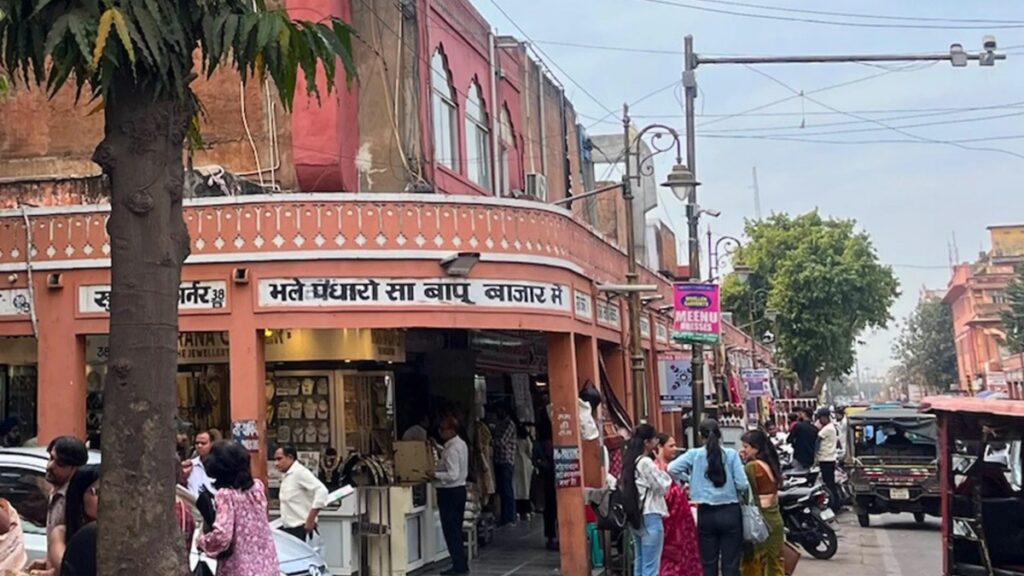
Jaipur is not only famous for its forts, palaces, and heritage walks but also for its vibrant bazaars. Each market in the Pink City has a distinct personality, from Johri Bazaar’s sparkling jewelry to Tripolia’s lac bangles. Yet, among them all, Bapu Bazaar remains the most popular for its variety, affordability, and authenticity. Located in the heart of the walled city, between Sanganeri Gate and New Gate, Bapu Bazaar is often called a “one-stop market” where you can buy almost everything Jaipur is known for.
The bazaar is bustling from late morning until night, filled with locals buying daily essentials and tourists looking for souvenirs. Its straight streets lined with pink-painted shops preserve Jaipur’s traditional city planning. The atmosphere is lively, with vendors calling out prices, bargaining echoing through the lanes, and colorful displays catching the eye at every corner.
What makes Bapu Bazaar special is its mix of everyday practicality and cultural heritage. Here you will find traditional items like Jaipuri mojari footwear, bandhej sarees, attars, handicrafts, quilts, and lac bangles alongside affordable modern clothing, bags, and stationery. Prices are lower than in upscale boutiques, and bargaining is not only expected but also part of the fun.
This guide will give you a complete walk-through of what to buy, where to shop, how to bargain, and how to enjoy Bapu Bazaar like a local. We’ll also explore the food stalls that keep shoppers refreshed, the festivals when the bazaar comes alive, and nearby attractions that you can combine with your shopping trip.
If you want to take home a piece of Jaipur’s tradition, there’s no better place than Bapu Bazaar, where every lane tells a story and every item reflects Rajasthan’s artistry.
History and Layout of Bapu Bazaar
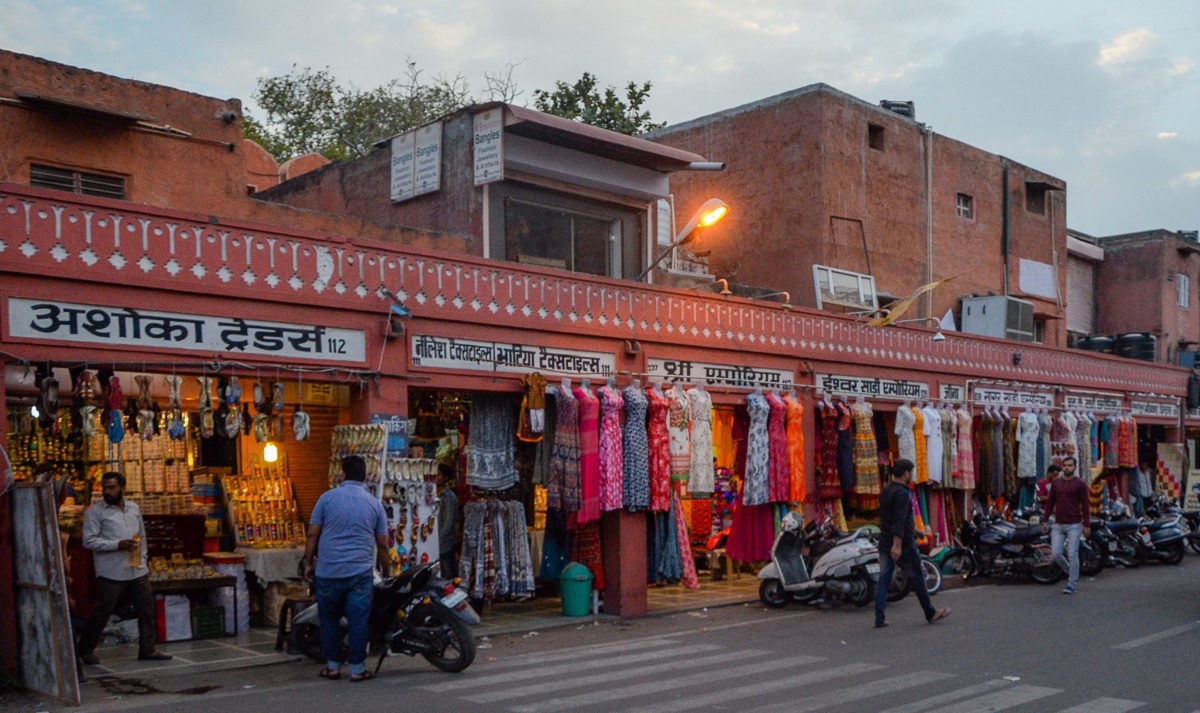
When Maharaja Sawai Jai Singh II founded Jaipur in 1727, he designed the city with wide streets and segmented markets, each devoted to a specific trade. This urban plan was revolutionary in India at the time and gave Jaipur its reputation as one of the best-planned cities of the 18th century. Bapu Bazaar was developed later as part of this market system and gradually became the center for textiles and daily goods.
The bazaar is named after Mahatma Gandhi, fondly called Bapu, as a tribute to his ideals of simplicity and service. True to its name, Bapu Bazaar offers goods that are practical, affordable, and accessible to everyone. Over time, as Jaipur grew into a tourist hub, Bapu Bazaar adapted by offering not only essentials for locals but also handicrafts and souvenirs for travelers.
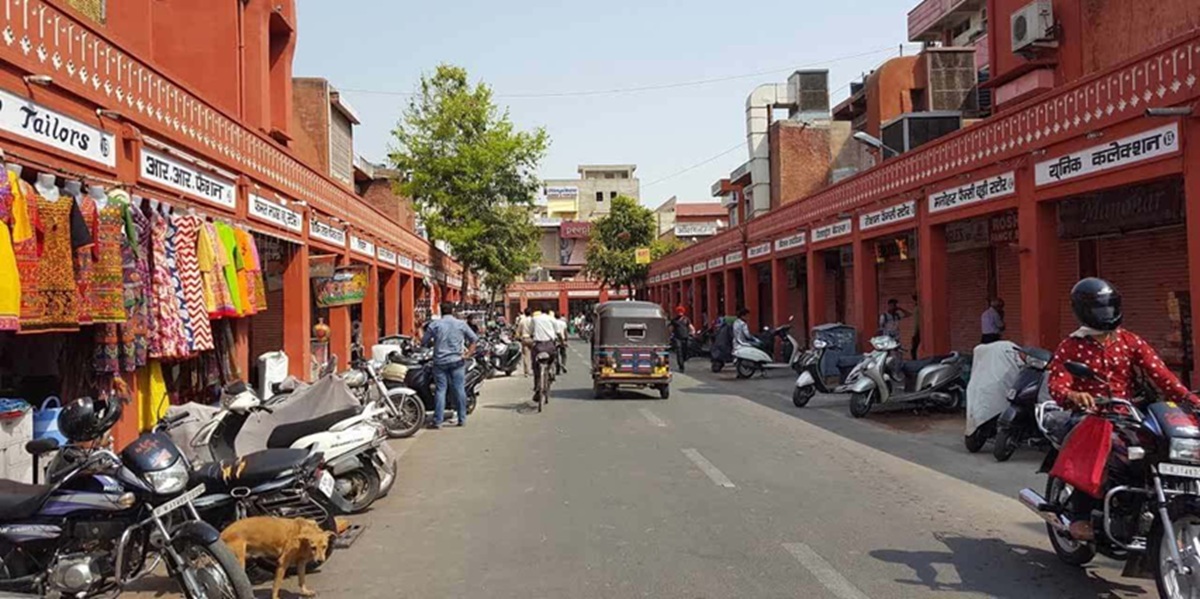
The layout of the market is straightforward—a long stretch of road lined with arched pink-painted shops on both sides. Wide verandahs protect shoppers from sun and rain, while the central road is always busy with auto-rickshaws, bicycles, and pedestrians. The market’s central location makes it easy to reach from Hawa Mahal, Johri Bazaar, or Albert Hall Museum.
Unlike high-end shopping complexes, Bapu Bazaar retains the charm of an open-air street market. Small shops, roadside stalls, and government emporiums coexist here, offering a blend of traditional and modern experiences. What sets it apart from other bazaars is its affordable pricing and huge variety—you can literally shop for your entire family here without spending much.
The atmosphere peaks during festivals like Diwali, Teej, and Holi, when shops decorate with lights, and streets overflow with shoppers. Even on regular evenings, walking through Bapu Bazaar feels like stepping into the pulse of Jaipur’s daily life.
Jaipuri Mojaris (Traditional Footwear)
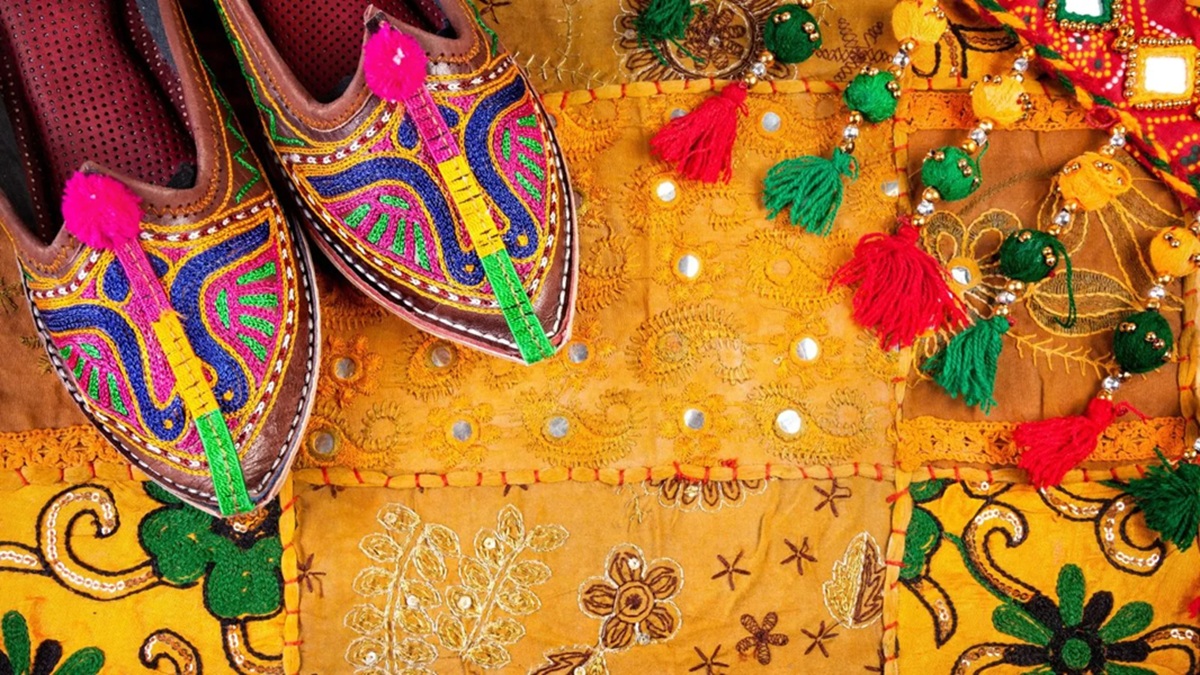
If there’s one thing Bapu Bazaar is famous for, it’s Jaipuri mojaris, also known as juttis. These traditional leather shoes, often hand-embroidered with colorful threads, beads, or zari work, are a must-buy for anyone visiting Jaipur.
Mojaris come in endless designs—classic plain leather for men, heavily embroidered ones for women, and quirky modern designs for younger buyers. What makes them special is the comfort of their soft leather soles combined with the unique artistry of Rajasthani embroidery. No two pairs are exactly alike, which makes them perfect as gifts or souvenirs.
In Bapu Bazaar, you’ll find entire rows of shops dedicated to mojaris. Prices vary depending on the intricacy of work and material used. A basic pair might cost ₹200–₹300, while heavily embroidered or designer pairs may go up to ₹1,000 or more. Bargaining is common, so always start at 40–50% of the quoted price.
Some shops even customize mojaris to fit your size or add specific colors and designs. This service is particularly popular among international tourists who want unique footwear. Another highlight is that mojaris are eco-friendly, made using natural leather and traditional methods.
For best quality, look for shops with a long-standing reputation, such as Sethi Mojari Wale, where locals often buy their footwear. If you want fixed, hassle-free pricing, head to National Handloom, where mojaris are sold alongside other Rajasthani goods.
Mojaris are versatile—you can pair them with Indian ethnic wear or even jeans for a fusion look. Durable, affordable, and uniquely Rajasthani, mojaris from Bapu Bazaar are an item you shouldn’t leave without. Read Also: Need to Know About Neemrana Fort Palace, Rajasthan
Bandhej and Leheriya Textiles
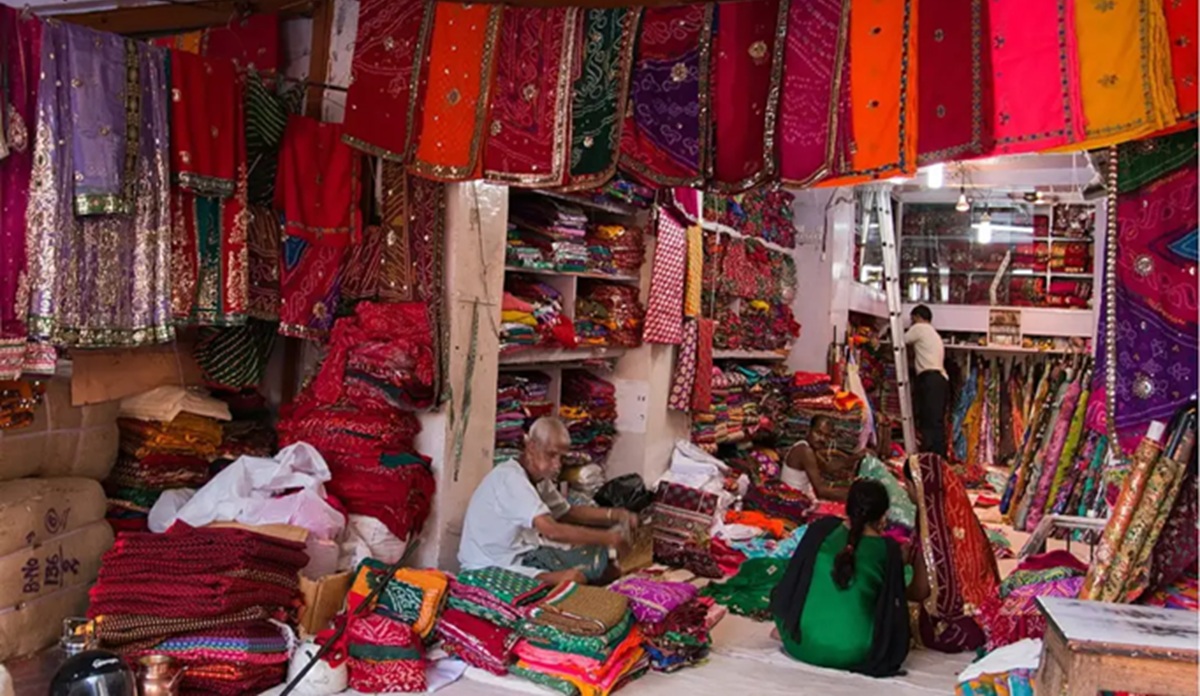
Jaipur is known worldwide for its Bandhej (tie-dye) and Leheriya (wave-patterned) textiles. Bapu Bazaar is the best place to buy these fabrics at reasonable prices.
Bandhej sarees, dupattas, and dress materials are made by tying small portions of fabric with threads before dyeing, creating intricate dot patterns. Leheriya, on the other hand, involves diagonal tie-dyeing, which produces beautiful wavy lines. Both are traditional Rajasthani techniques, passed down for generations.
Shops in Bapu Bazaar stock everything from cotton dress materials to silk sarees, available in bright colors like red, yellow, pink, and green. The light cottons are perfect for daily wear or summer outfits, while the silk versions make excellent festive wear.
Prices start as low as ₹300 for dupattas and go up to ₹2,000 or more for sarees and lehengas. Bargaining is expected, especially in smaller shops. If you want guaranteed authenticity, look for government-approved stores or emporiums, though prices there are usually fixed.
Bandhej and Leheriya items make perfect souvenirs because they are light, easy to pack, and represent Jaipur’s textile heritage. They also make thoughtful gifts for friends and family, especially those who appreciate traditional craftsmanship.
A tip for tourists: check the quality of dye by rubbing the fabric with a damp handkerchief. Authentic, high-quality fabrics won’t bleed color.
Shopping for textiles at Bapu Bazaar isn’t just about buying fabric—it’s about experiencing Jaipur’s living tradition of color and craft.
Must Explore: Rajasthan in September 2025 – Must-see Events
Lac Bangles and Jewelry
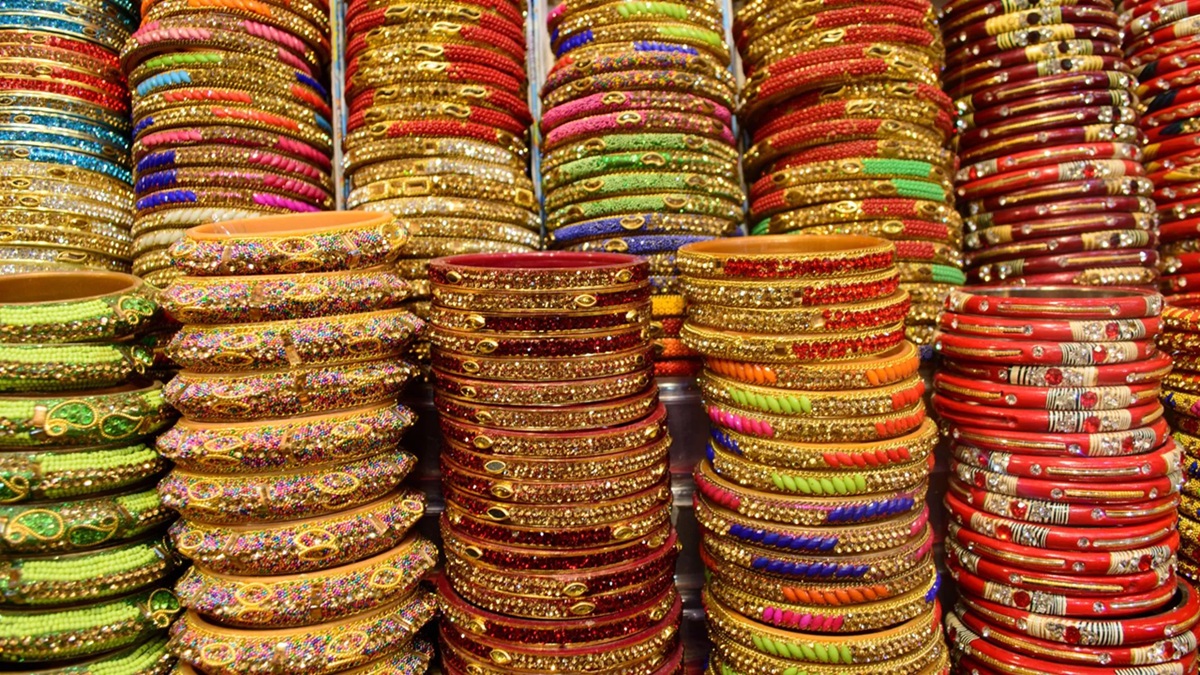
One of the most colorful sights in Bapu Bazaar is the display of lac bangles, stacked in towers inside small shops. These bangles are made from lacquer, decorated with glitter, stones, and bright colors. They are lightweight, affordable, and deeply rooted in Rajasthani tradition. In fact, lac bangles are considered auspicious for married women and are often gifted during festivals and weddings.
At Bapu Bazaar, you will find lac bangles in every possible color combination—red and green for traditional looks, or multicolored and studded ones for modern appeal. Sets can cost anywhere from ₹50 to ₹300, depending on the design. Bargaining is common, and you can often get discounts if buying multiple sets.
Apart from bangles, shops also sell imitation jewelry, silver-plated trinkets, and oxidized earrings. These accessories are extremely popular among young travelers looking for budget-friendly fashion. Small anklets, necklaces, and rings featuring Rajasthani motifs are also easy to find.
When shopping for lac bangles, always check for finishing. Smooth surfaces and evenly applied glitter indicate better craftsmanship. Some shops will even measure your wrist and create custom-sized bangles on the spot, which is a delightful experience for visitors.
For tourists, lac bangles make perfect souvenirs—they’re lightweight, easy to carry, and reflect Jaipur’s artistry. Many visitors buy them in bulk as gifts for friends and family. If you want a glimpse into traditional Rajasthani style, don’t miss the opportunity to take home a few sets of these sparkling bangles from Bapu Bazaar.
Rajasthani Quilts and Bedspreads
Jaipur is renowned for its soft, lightweight Rajai (quilts) and beautifully printed bedspreads. Bapu Bazaar has some of the best shops for these items, especially around National Handloom, a popular fixed-price store.
Rajasthani quilts are unique because they are filled with cotton yet feel surprisingly light. Locals joke that a Jaipur rajai is “warm as a hug, light as a cloud.” Perfect for mild winters, these quilts fold down compactly and are easy to carry, making them ideal for travelers. Prices typically start around ₹600 and can go up to ₹2,000 depending on size and design.
Bedspreads and cushion covers in Bapu Bazaar feature block printing, Sanganeri prints, and vibrant embroidery. They add a splash of Jaipur’s color to any home. Sets of matching bedspreads and pillow covers make great purchases for tourists who want to decorate their homes with Rajasthani flair.
Many shops also stock handmade dohars (summer quilts), which are lighter than rajais and perfect for warmer climates. These cotton layers, decorated with floral patterns, are popular among foreign tourists.
If you’re shopping for home décor, Bapu Bazaar is a must-visit. Bargaining is possible at smaller shops, but government emporiums and branded outlets usually sell quilts at fixed prices. Even then, prices remain affordable compared to other tourist cities.
For a practical souvenir that also carries heritage value, Rajasthani quilts and bedspreads from Bapu Bazaar are one of the best things to take home.
Read Also: Shop Exquisite Bangles at Tripolia Bazaar – See Jaipur’s Best Crafts!
Wooden Handicrafts and Décor
Bapu Bazaar is a hub for Rajasthani wooden handicrafts, which are admired worldwide for their intricate carving and vibrant painting. Shops here are filled with decorative wooden elephants, camels, puppets, jewelry boxes, and small furniture items.
One of the highlights is the Kathputli (Rajasthani puppets), dressed in colorful costumes and sold in pairs. These make wonderful souvenirs, as puppet shows are an essential part of Rajasthan’s folk tradition. Prices for small puppet sets start at ₹100, while larger, more detailed ones can cost ₹500 or more.
Other wooden items include coasters, trays, pen stands, and carved idols. Many of these are decorated with miniature painting techniques, giving them a royal appeal. For home décor, items like painted wall hangings and key holders are both affordable and unique.
Prices for wooden handicrafts in Bapu Bazaar are generally lower than those in specialty handicraft stores. However, quality varies, so check for sturdy finishing and smooth edges. Bargaining works well if you buy multiple items.
Wooden souvenirs are lightweight, durable, and reflect Rajasthan’s artistry. Whether you want a small decorative elephant or a handcrafted jewelry box, Bapu Bazaar offers endless choices. These items are perfect for adding a touch of Jaipur’s folk art to your living space.
Attars and Traditional Perfumes
For something unique and sensory, head to the attar shops in Bapu Bazaar. Attars are traditional perfumes made from natural ingredients like rose, sandalwood, jasmine, and herbs. Stored in decorative glass bottles, they have been used in India for centuries as natural fragrances.
Unlike alcohol-based perfumes, attars are concentrated oils, so only a drop is needed. They are long-lasting and often considered more authentic than modern fragrances. Many shops in Bapu Bazaar also sell dhoop (incense sticks), essential oils, and herbal powders, making it an aromatic shopping experience.
Prices vary by fragrance and purity. A small bottle of attar may cost ₹200–₹500, while premium ones can go higher. Sellers often let you sample different fragrances before purchasing.
For tourists, attars make excellent souvenirs because they are portable, unique, and deeply connected to India’s traditional lifestyle. Shops will often pack bottles carefully for travel. Bargaining is possible, though less so in established perfume stores.
If you want to take home a piece of Jaipur’s sensory heritage, don’t miss the chance to buy natural attars and perfumes from Bapu Bazaar.
Everyday Clothing and Budget Fashion
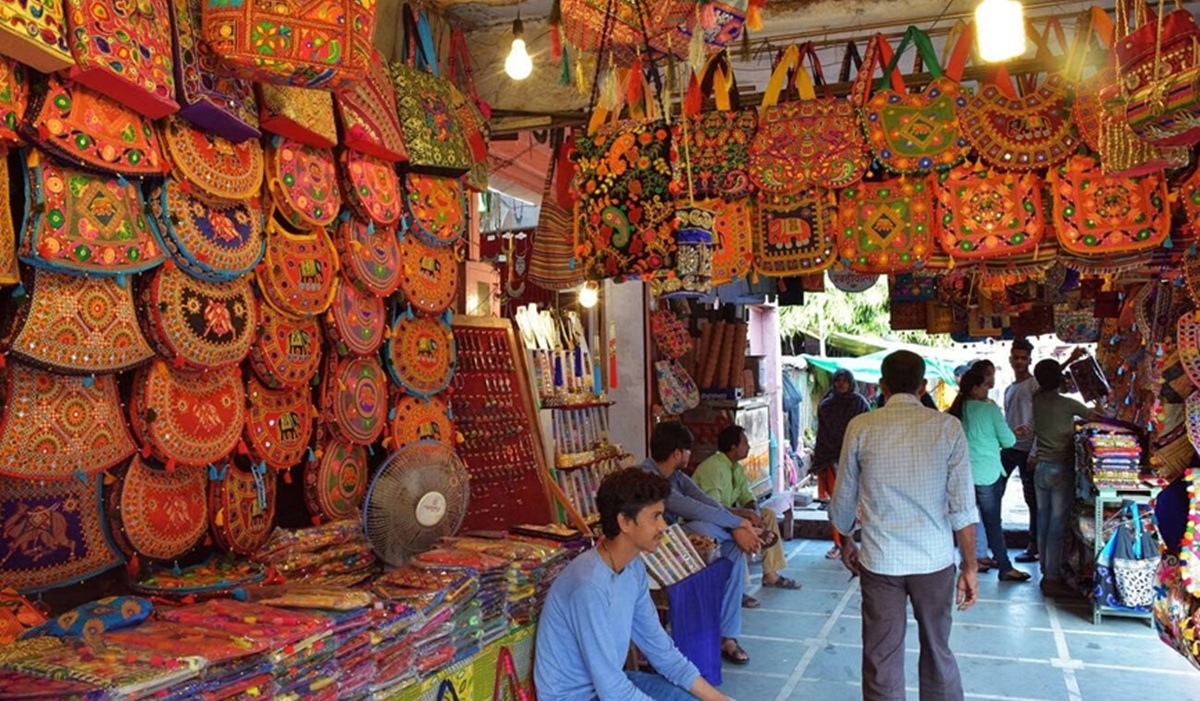
Bapu Bazaar is not just about souvenirs—it’s also where locals shop for everyday clothing at affordable prices. Rows of shops sell T-shirts, jeans, dresses, and kids’ wear, often at rates cheaper than malls or branded stores.
For tourists, this section of the bazaar is great for budget shopping. You’ll find cotton kurtis, casual shirts, and even trendy Indo-western outfits. Prices are negotiable, and many shops display discounts to attract young shoppers. Seasonal sales bring even lower prices, making it a hit among college students and backpackers.
Street stalls outside the main shops also sell handbags, belts, sunglasses, and shoes, catering to both locals and visitors. The variety is impressive—whether you want a pair of casual trousers or a colorful kurti, you’ll find it here.
The best part is the value for money. While high-end boutiques in Jaipur may sell similar clothes at much higher prices, Bapu Bazaar offers decent quality at a fraction of the cost. It’s the perfect spot to refresh your wardrobe without breaking the bank.
Explore Also: Raj Mandir Cinema Jaipur: India’s Most Iconic Movie Theater
Souvenirs and Gift Items
Bapu Bazaar is one of the best places in Jaipur to buy souvenirs for friends and family. Shops stock small, lightweight, and affordable items that are easy to carry home.
Popular choices include:
- Miniature camel and elephant figurines.
- Painted keychains and fridge magnets.
- Rajasthani puppets and wall hangings.
- Colorful diaries and handmade paper products.
Souvenirs here cost anywhere between ₹50 and ₹500, depending on size and detail. Many stalls also create gift sets combining multiple items, which make for convenient purchases.
Because of the variety, Bapu Bazaar is often the last stop for travelers who want to pick up multiple gifts in one go. Bargaining is possible, especially if you’re buying in bulk.
For anyone traveling to Jaipur, souvenir shopping in Bapu Bazaar is a must—it’s the easiest way to carry a piece of Rajasthan home.
Decorative Lamps and Homeware
If you’re looking for something more artistic, explore the shops selling decorative lamps, lanterns, and home décor items. These range from colorful glass lamps inspired by Mughal designs to iron lanterns and wall sconces.
Rajasthani mosaic lamps, made with glass beads and metal frames, are especially popular among tourists. They create a warm glow when lit and add a traditional touch to modern homes. Prices vary from ₹400 to ₹1,500, depending on size and material.
Alongside lamps, shops also sell brass idols, decorative mirrors, and painted clay pots. These items showcase Jaipur’s mix of folk art and craftsmanship.
For those setting up a home or looking for unique décor pieces, Bapu Bazaar is a treasure trove. Just remember to pack fragile items carefully if you’re traveling long distances.
Read also: Chokhi Dhani Jaipur – Activities & Travel Guide
Stationery, Toys, and Miscellaneous Items
Finally, Bapu Bazaar is also the place where locals buy stationery, school bags, and children’s toys. While this may not sound exotic, it reflects the bazaar’s role as a community market.
Travelers often find quirky items like handmade paper diaries, colorful notebooks, and traditional board games. These make unique and practical souvenirs, especially for kids or students.
Toy stalls sell wooden tops, dolls, and puzzles, often decorated with bright Rajasthani colors. Prices are budget-friendly, starting as low as ₹50.
This everyday side of the bazaar gives you a sense of how Jaipur’s residents shop, making the experience authentic and grounded.
Check out the Jaipur itinerary: 3 Days Golden Triangle Tour – Delhi Agra Jaipur Itinerary
Famous Shops in Bapu Bazaar
While the market has hundreds of shops, some names stand out for their quality and reputation:
- National Handloom: A one-stop store for textiles, bedsheets, and Rajasthani quilts. Prices are fixed and reasonable, making it great for those who don’t want to bargain.
- Sethi’s: Known for traditional Jaipuri mojari footwear.
- Tibetan Market Stalls: Seasonal shops set up during winter selling woolens, shawls, and jackets.
- Street-side Vendors: Perfect for bangles, imitation jewelry, and small handicrafts at budget prices.
- Handicraft Emporiums: Government-approved stores offer authentic Rajasthani goods with guaranteed quality.
If you have limited time, focus on shops around the central market square, where the biggest variety and best deals are concentrated.
Bargaining Tips for Tourists
Bapu Bazaar is known as a bargainer’s paradise. Here are some tips to help you shop like a pro:
- Start Low: Vendors often quote inflated prices to tourists. Begin your bargain at 40–50% of the asking price.
- Be Polite: Bargaining works best when done with a smile and patience.
- Compare Prices: Similar goods are available in multiple shops. Look around before finalizing.
- Fixed Price Shops: For those uncomfortable bargaining, visit outlets like National Handloom.
- Bulk Purchases: Buying multiple items often gets you a better deal.
- Peak Hours: Bargaining is harder in evenings when shops are crowded. Try shopping in the morning.
With the right approach, you can walk away with great deals and memorable souvenirs without overspending.
Read also: Patrika Gate Jaipur – Instagram Spot & Travel Tips
Best Time to Visit Bapu Bazaar
The market is open daily from 11 AM to 10 PM. To make the most of your visit:
- Morning (11 AM – 1 PM): Less crowded, easier to bargain, shops freshly stocked.
- Afternoon (1 PM – 4 PM): Hot and less pleasant in summer months, but quieter.
- Evening (4 PM – 9 PM): The market comes alive with lights and bustling crowds. Great for atmosphere but harder for relaxed shopping.
The best months are October to March, when Jaipur’s weather is cool and pleasant. If visiting in summer, plan an evening stroll instead of afternoon shopping.
Exciting Jaipur Tour Itinerary: 5 Days Jaipur Udaipur Chittorgarh Trip Package
Street Food Around Bapu Bazaar
Shopping in Jaipur is incomplete without tasting local street food. Around Bapu Bazaar, you’ll find:
- Golgappas (Pani Puri): Spicy water-filled snacks loved by locals.
- Kulfi Falooda: A cold dessert combining ice cream with vermicelli.
- Kachoris: Stuffed fried pastries served with chutneys.
- Masala Chai: Small tea stalls offer refreshing cups of spiced tea.
These quick bites add energy to your shopping trip and give you a taste of Jaipur’s food culture.
Check out the Jaipur itinerary: 4 Days Jaipur Ajmer Pushkar Tour Package
Atmosphere and Experience
Walking through Bapu Bazaar is more than just shopping—it’s an experience of Jaipur’s daily life. You’ll see vendors calling out their prices, locals haggling for deals, tourists browsing for souvenirs, and colorful displays everywhere.
The entire market is set against Jaipur’s iconic pink-painted architecture, with arched gateways and verandahs that date back centuries. In the evening, the market glows with decorative lights, adding to its charm.
The sounds of bargaining, the aroma of street food, and the sight of colorful textiles combine to make Bapu Bazaar one of the most vibrant spots in Jaipur.
Read also: Birla Mandir Jaipur – History, Best Time & Travel Tips
Nearby Attractions
Bapu Bazaar is centrally located, making it easy to explore nearby attractions:
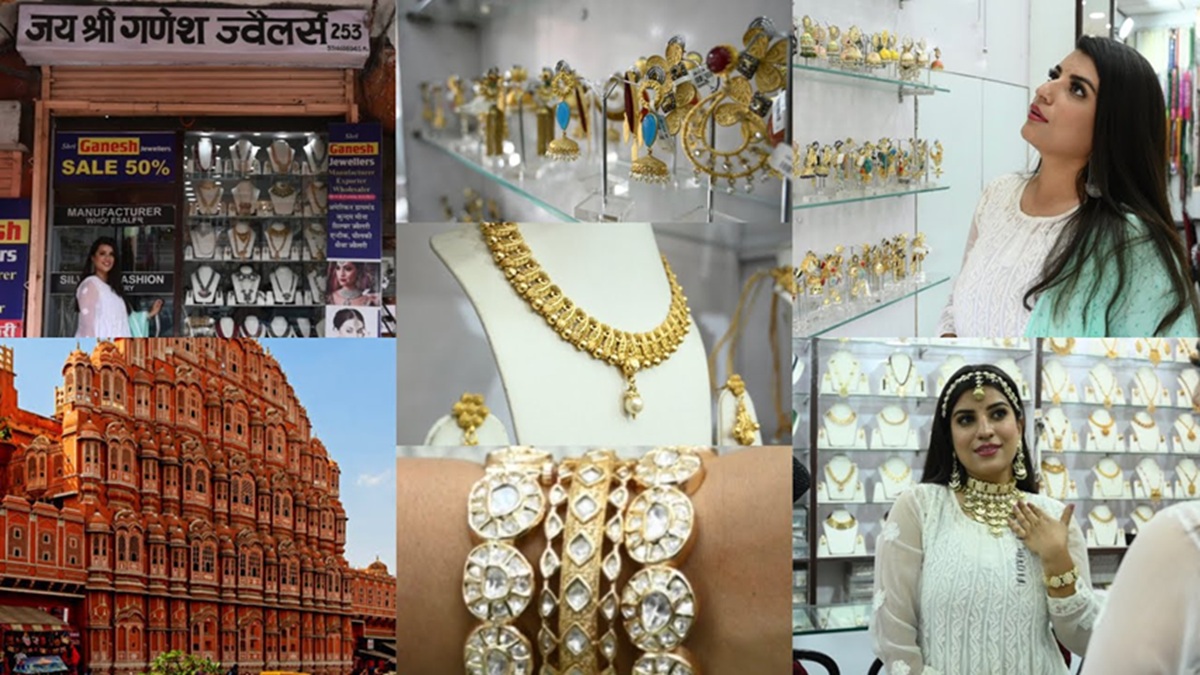
- Johri Bazaar: Famous for jewelry and gemstones.
- Tripolia Bazaar: Known for lac bangles and ironware.
- Hawa Mahal (Palace of Winds): Iconic landmark just 10 minutes away.
- Albert Hall Museum: Rajasthan’s oldest museum, located in Ram Niwas Garden.
- Moti Dungri Ganesh Temple: A short drive from the market.
You can easily combine Bapu Bazaar with a half-day sightseeing and shopping itinerary in Jaipur.
Exciting Jaipur Tour Itinerary: Jaipur to Bikaner Tour – 4 Days Rajasthan Itinerary
Travel Tips
- Carry small change for bargaining.
- Keep your valuables safe in the crowd.
- Dress comfortably; summers can be hot.
- Carry reusable bags for shopping—eco-friendly and handy.
- If shopping heavily, consider taking a cab back instead of autos.
- Don’t feel pressured to buy—browse freely before deciding.
Read also: Govind Devji Temple Jaipur – Darshan Timings & Rituals
Conclusion
Bapu Bazaar is more than a market—it’s a slice of Jaipur’s culture and spirit. From handmade mojaris and block-printed textiles to colorful handicrafts and perfumes, it offers the best of Rajasthan’s artistry at one place. With its heritage architecture, lively atmosphere, and street food delights, it’s an essential stop for anyone exploring Jaipur.
Whether you’re a serious shopper or simply curious about local life, a visit to Bapu Bazaar will give you memories, bargains, and souvenirs to carry home. Come with time, curiosity, and a willingness to bargain—you’ll leave with treasures unique to Jaipur.
Read more Blogs for visit Jaipur:
- Don’t Miss Bapu Bazaar Jaipur – Click Here to Discover Hidden Gems!
- Jaipur Elephant Festival 2025 – Events & Highlights
- Best Ways to Reach Ranthambore from Jaipur
- Holi Festival in Jaipur 2025 – Colors & Traditions
- Top Temples to Visit in Jaipur
- Bapu Bazaar Jaipur Shopping Guide
- Things to Do in Jaipur with Kids & Family
- Jaipur Monuments Guide – Entry Fees & Travel Info
- Learn Rajasthani Cuisine – Jaipur Cooking Classes
- Jaipur Literature Festival 2025 – Dates & Venue Guide
- Ranthambore Safari Booking – Tickets, Timings & Prices
- Ranthambore Fort Guide – History & Visitor Info
- Jhalana Leopard Safari Jaipur – Timings & Entry Fee
- Albert Hall Museum Jaipur – Complete Visitor Guide
- Abhaneri Stepwell Rajasthan – History & Travel Guide
- Rajasthan Travel Guide – Culture & Festival Celebrations
- Galtaji Temple Jaipur: Complete Monkey Temple Travel Guide
- Johari Bazaar Jaipur: Best Place for Jewelry & Gold Shopping
- Dhulandi Festival Jaipur 2025: Colorful Holi Celebration Guide
- Quick Jaipur Getaway: Compare Car vs Train & Plan Your Day Trip!
- Experience History: Tour Delhi to Neemrana Fort Now!
- Take a One-Day Trip from Delhi to Jaipur by Train – Book Your Journey Today!