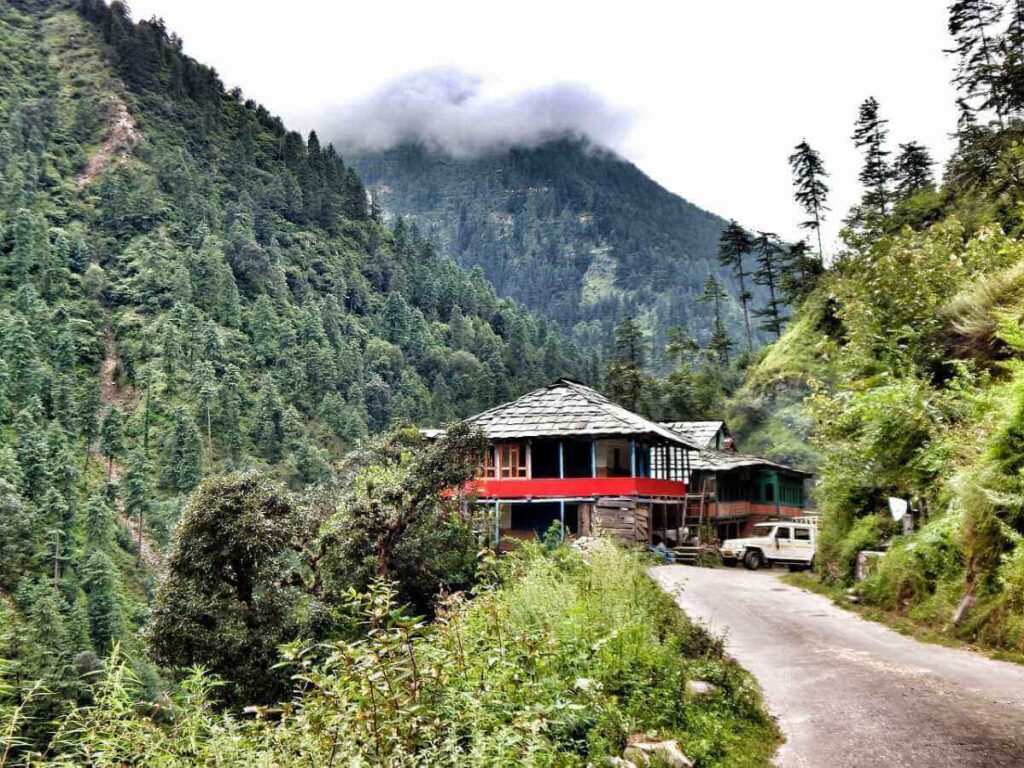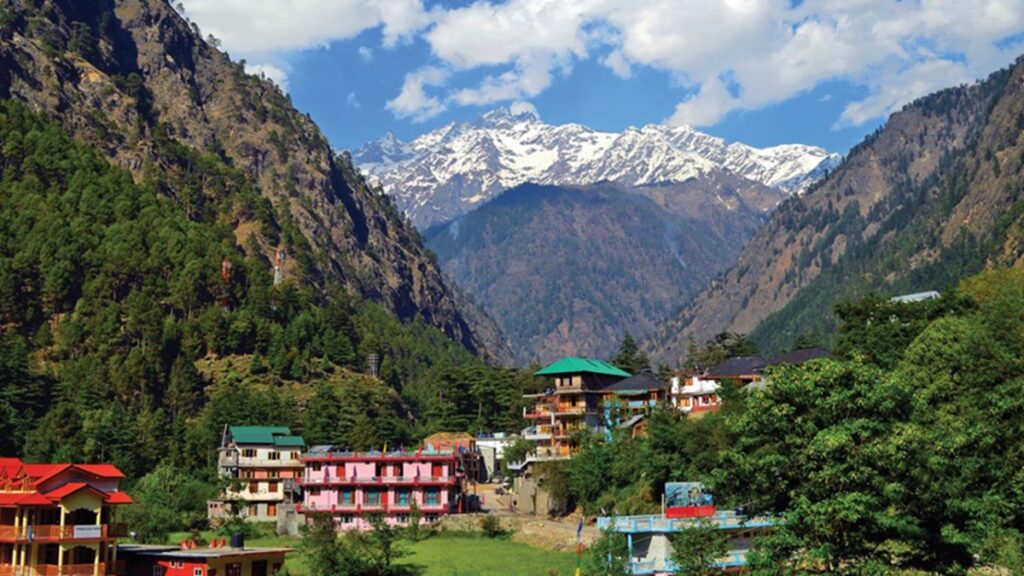
There’s a moment just before winter when the Parvati Valley breathes slower — the air thinner, the skies clearer, and the river whispering colder stories from the glaciers above. That’s Kasol in November, a Himalayan village that balances solitude and soul like nowhere else.
Nestled at 1,580 meters in Himachal Pradesh’s Kullu district, Kasol is more than a destination; it’s a rhythm. Here, the scent of pine mingles with espresso and hashish smoke, Hebrew signs hang above riverside cafés, and the laughter of trekkers echoes across wooden bridges.
By November 2026, Kasol will have quieted after the monsoon and festival rush. The apple harvest will be over, the hills golden with autumn, and snow beginning to powder the higher slopes. It’s the time for clear days, star-drenched nights, and long walks along the Parvati River.
For those who travel to feel time slow — who want conversation with mountains rather than crowds — November is the valley’s purest month.
What’s the Weather Like in Kasol & Parvati Valley in November?
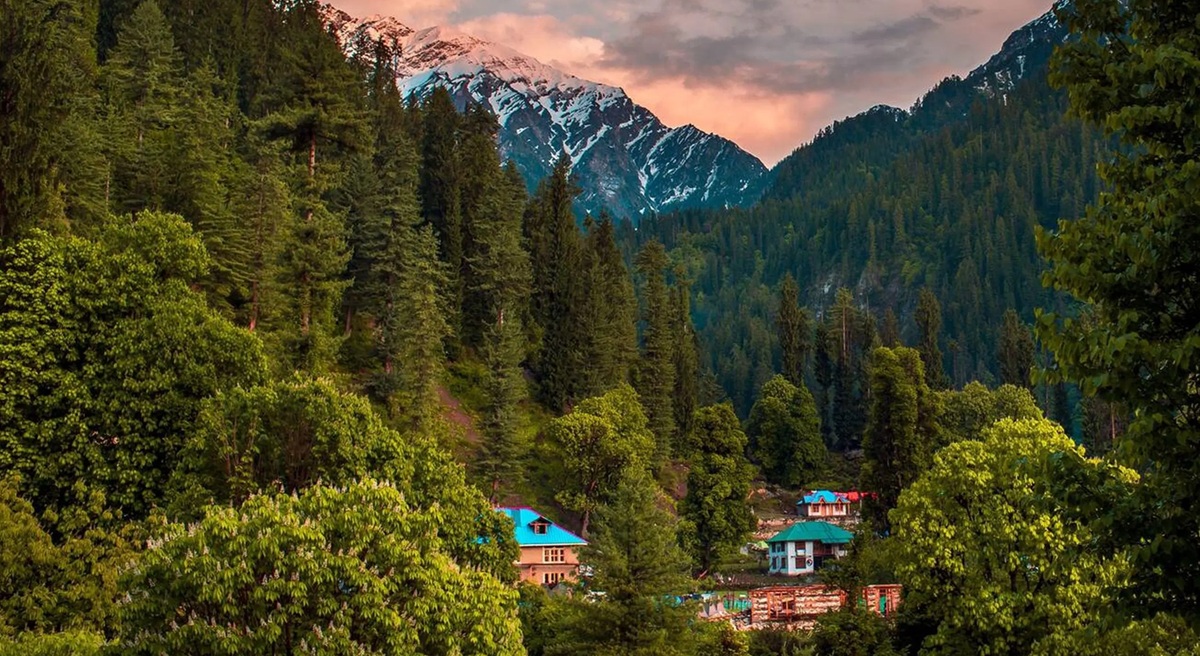
November marks the transition from post-monsoon freshness to early winter chill. The valley glows amber and green under crystalline skies.
- Average Day Temperature: 15°C to 20°C
- Night Temperature: 3°C to 8°C
- Snow: Possible on higher trails (Kheerganga, Tosh) by mid to late November
- Rainfall: Minimal
- Humidity: 40–50%
- Visibility: Excellent; the Dhauladhar peaks shine white against blue skies
The days are perfect for treks — dry, cool, and sunlit — while evenings call for woollens and bonfires. The Parvati River runs clear and fierce after monsoon snowmelt, creating white noise that soothes more than any playlist.
Photographers adore this month: warm light, clean air, and landscapes that change hue every hour.
How Do You Reach Kasol?
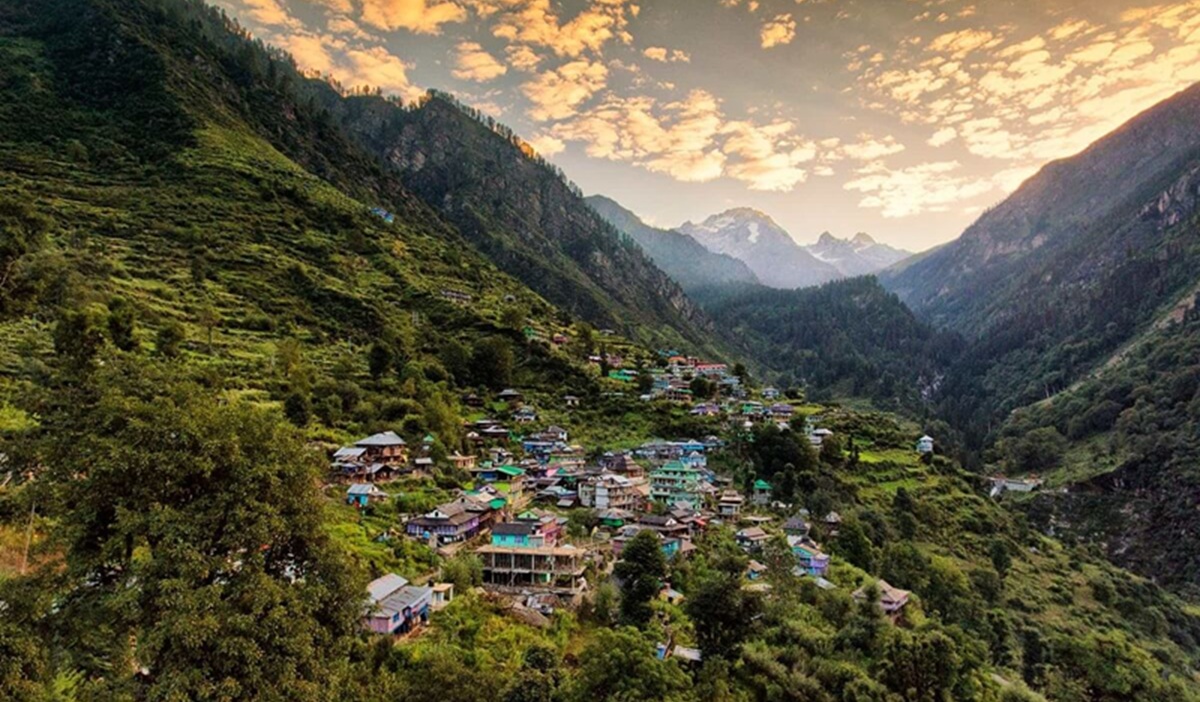
Despite its remote charm, Kasol is well connected to Himachal’s travel circuit.
By Air
The nearest airport is Kullu–Manali Airport (Bhuntar), 31 km away. Daily flights connect from Delhi, Chandigarh, and Shimla (subject to mountain weather). From Bhuntar, Kasol is a 1-hour drive along the Parvati River.
By Road
- From Delhi: 520 km / ~12–13 hours via Bhuntar and Bhuntar–Kasol road
- From Chandigarh: 270 km / ~8 hours
Private taxis, Volvo coaches, and Himachal Roadways buses run daily to Bhuntar or Manikaran. The final stretch winds along pine forests — steep but stunning.
By Train
The nearest railhead is Joginder Nagar (144 km), but most travelers prefer reaching via Chandigarh or Pathankot followed by a drive. Explore Himachal in 8 Days – Book Your Ultimate Tour Package
Where Should You Stay in Kasol?
Kasol offers everything from luxury riverside resorts to wooden guesthouses, each promising its own version of Himalayan comfort.
Premium & Boutique
- The Himalayan Village: Stone cottages, apple orchards, and traditional Himachali architecture.
- Parvati Kuteer: Riverside cottages surrounded by cedar trees — ideal for November’s tranquility.
- Whoopers Boutique Kasol: Chic hostel-meets-boutique stay with mountain views.
Mid-Range & Cozy
- The River Garden Kasol: Great food, serene riverbank location.
- Hotel Sandhya Kasol: Spacious rooms and a central base for treks.
- Nomads Hostel: Artistic and friendly, perfect for digital nomads.
In Nearby Villages
- Tosh & Kalga: Wooden homestays with balcony views of snow peaks.
- Pulga & Chalal: Simple stays amid pine woods and café culture.
Book early for November weekends — it’s post-Diwali but pre-snow, drawing those chasing peace before winter closure.
Exploring Kasol — The Heart of the Parvati Valley

Strolling the Village
Kasol is small enough to cross in ten minutes but rich enough to explore for days. The main street hums with cafés, hemp clothing shops, and Israeli bakeries. Hebrew lettering decorates signboards; reggae hums softly from windows.
In November, the rush is gone — locals chat idly, smoke rises from tandoors, and dogs bask in patches of sunlight.
Walk to the suspension bridge that crosses the Parvati River toward Chalal, a smaller hamlet across the water. The 20-minute forest trail, carpeted in pine needles, feels like another world — all moss and music. Embark on 8-Day Manali–Jispa–Leh Journey – Complete Itinerary
The Parvati River — The Valley’s Pulse
The Parvati River originates from the glacier at Pin Parvati Pass, cutting through deep gorges before joining the Beas at Bhuntar. It’s the valley’s lifeline — wild, melodic, and sacred.
In November, its waters are cold and clear, rushing through rocks polished by monsoon torrents. Stand on its banks and you’ll feel the valley’s rhythm — unhurried but unstoppable.
Do not attempt to swim or cross; currents are fierce.
Instead, sit on the flat rocks near Chalal or Katagla, listen to the roar, and let the cold air and sunlight mingle on your skin.
Kheerganga Trek — Difficulty, Trail & Experience
No journey to Parvati Valley feels complete without the Kheerganga Trek — a 12 km hike that leads through forests, waterfalls, and villages to natural hot springs perched at 2,960 meters.
Trail Overview
- Starting Point: Barshaini (16 km from Kasol)
- Distance: 12 km one way
- Duration: 4–6 hours ascent, 3–4 hours descent
- Difficulty: Moderate (suitable for beginners with fitness)
- Elevation Gain: ~1,300 meters
The trail winds through apple orchards, pine forests, and small hamlets like Nakthan and Rudranag. Wooden bridges cross icy streams, and in November the slopes glow with autumn leaves.
At the summit, steam rises from the natural hot springs — bliss after a long climb. The view opens to snow peaks of the Parvati range, and at night, stars appear close enough to touch.
Trek Tips for November
- Start early (~9:00 a.m.) to reach before dusk; sunset is around 5:15 p.m.
- Carry warm layers — temperatures at Kheerganga can drop to 0°C.
- Wear trekking shoes with grip; post-monsoon sections can be slippery.
- Camps and cafés remain open till late November; after that, some close for winter.
- Entry Fee: ₹50 per person (forest permit).
The trek’s reward isn’t just the hot water — it’s the feeling of stepping into a quieter altitude of being.
Other Treks & Villages to Explore
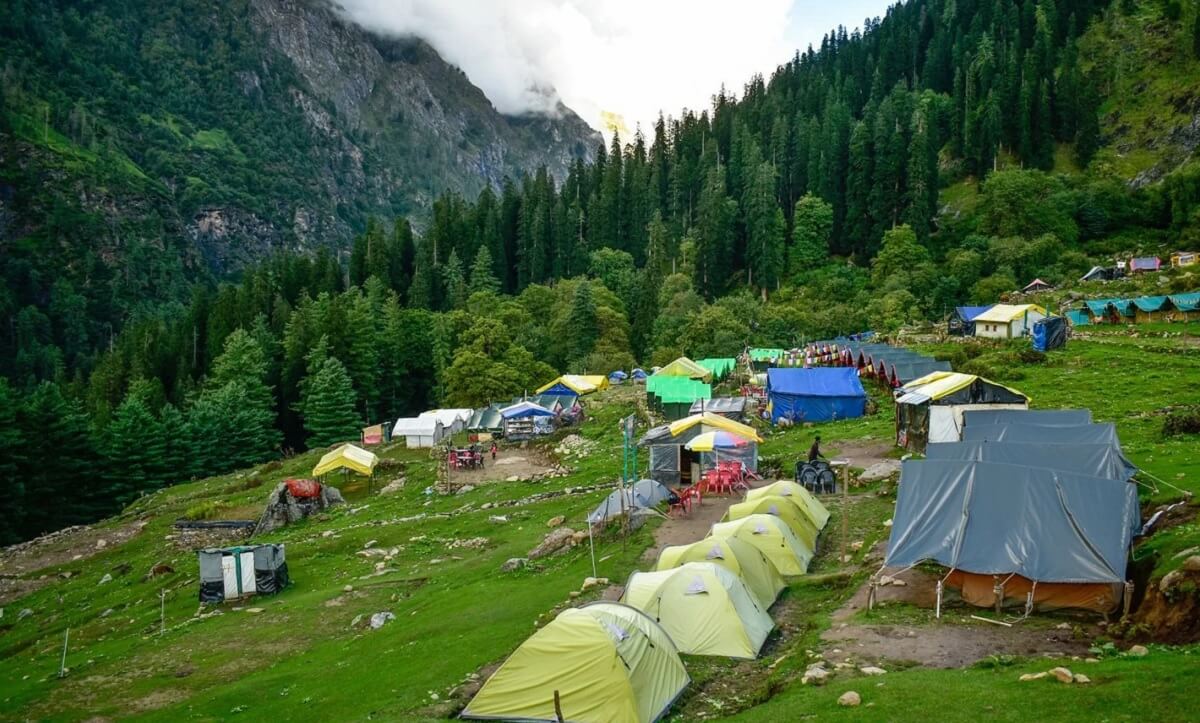
Tosh
A 40-minute drive from Kasol, Tosh sits at 2,400 meters — a wooden village at the valley’s end. Walk its cobbled paths, sip chai overlooking waterfalls, and watch clouds drift through snow peaks. In November, the air is crisp and the views extraordinary.
Kalga, Pulga & Tulga
Trio hamlets beyond Barshaini, surrounded by dense deodar forests. Kalga is known for its peaceful cafés, Pulga for wooden homestays, and Tulga for the trailhead to Pin Parvati.
Rasol & Grahan
Two smaller treks (3–5 hours) starting from Kasol. Rasol is known for its wildflowers; Grahan, for its old Himachali architecture. November offers dry, safe paths with golden sunlight filtering through pine canopies.
Best Israeli & Local Cafés in Kasol
Kasol’s café scene is legendary — part Himachali simplicity, part Tel Aviv creativity. In November, when crowds thin, the experience becomes intimate — bonfires, music, and mountain stories.
Top Israeli Cafés
- Evergreen Café: The valley’s classic. Falafel, shakshuka, hummus platters, and lemon mint tea. Open-air seating overlooking pines.
- Moon Dance Café: Croissants, espresso, and warmth. A social hub with local art on walls.
- Little Italy Café: For pizza lovers — wood-fired oven, cozy indoors.
- Jim Morrison Café: Hidden among pine trees uphill from Kasol; psychedelic art, vegetarian menu, and an aura of timeless chill.
- Buddha Place: Sunset café near Chalal bridge, serving brownies and chai with a river view.
Local & Fusion
- The Evergreen Riverside Dhaba: Israeli meets Himachali — try their trout fish and apple pie.
- Stone Garden Café: Live music evenings with reggae and local instruments.
- The Art Café (Chalal): Yoga-friendly, sustainable, and serves herbal teas.
November’s cool evenings make open-fire seating magical. Most cafés play mellow jazz or acoustic sets — the valley’s version of silence. Book Your 5-Day Kullu Manali Trip – Perfect Himalayan Getaway
Culture & People of Parvati Valley
Kasol’s charm lies in its mix: locals from the Himachali and Parvati tribes, long-term Israeli travelers, and Indian backpackers. The atmosphere is both spiritual and bohemian.
The local Hindu and Sikh shrines in nearby Manikaran Sahib coexist harmoniously with Himalayan temples and rustic cafés. Visit Manikaran (4 km away) to experience the famed hot springs and langar (community meal) — a moving experience of devotion and simplicity.
In November, with the pilgrimage crowds gone, Manikaran feels serene. Steam rises from the riverbed where water boils naturally beside snow-fed rapids — a miracle of nature and faith intertwined.
Parvati Valley Festivals & Events
Though November is quieter, you may still catch:
- Parvati Peaking Festival (late October – early November): Music and camping event with DJs and artists by the river.
- Local Fairs (Mela): Smaller gatherings in Tosh or Kalga celebrating harvest.
These festivals wind down by mid-November, leaving behind rhythms that echo through the valley’s silence.
What to Eat in Kasol — Local Flavors & Global Plates
Must-Try Dishes
- Israeli Breakfast: Eggs, hummus, pita, olives, and coffee.
- Rainbow Trout: Locally farmed fish, grilled with lemon butter.
- Thukpa & Momos: Tibetan comfort food for chilly evenings.
- Siddu: Steamed Himachali bread stuffed with walnuts or poppy seeds.
- Apple Crumble & Hot Chocolate: Homemade and heavenly.
Where to Eat
- Evergreen Café – iconic, scenic, consistent.
- Freedom Café – near Chalal bridge, perfect for late lunches.
- The River View Café – candlelit dinners by the water.
November’s evenings are cool enough to enjoy soup steaming on your table, with firelight flickering against mountain silhouettes.
Shopping in Kasol
- Handmade Jewellery & Macramé: Sold by travelers along the market road.
- Woollens & Shawls: Hand-knitted by Himachali women.
- Organic Products: Herbal oils, hemp seed snacks, and handmade soaps.
- Israeli Spices & Incense: Found in small stores near Moon Dance Café.
Bargaining is minimal — Kasol’s charm is sincerity, not commerce.
Suggested 4-Day Kasol Itinerary
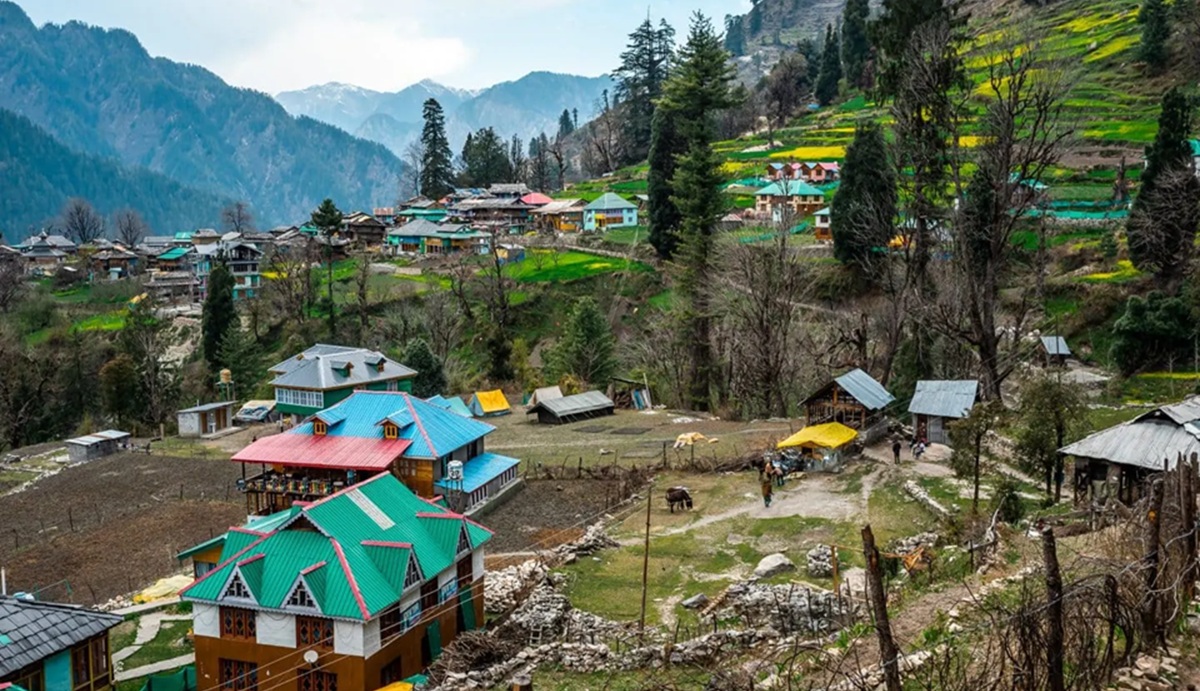
Day 1 – Arrival & River Walk
Arrive from Bhuntar or Manali. Check into a riverside stay. Evening: walk to Chalal, dinner at Moon Dance Café.
Day 2 – Tosh or Grahan Village
Morning drive to Barshaini; trek to Tosh for panoramic views. Explore local life, have lunch overlooking snow peaks. Return by dusk.
Day 3 – Kheerganga Trek
Early start for the 12 km trek. Enjoy Rudranag waterfall en route. Overnight camping at Kheerganga under starry skies, soak in hot springs.
Day 4 – Descent & Departure
Trek down after breakfast. Return to Kasol by noon, visit Manikaran Sahib, shop for souvenirs, and leave for Bhuntar by evening.
Responsible Travel & Local Etiquette
Kasol’s serenity depends on respect — for people, culture, and nature.
- Avoid littering; carry waste back to town.
- Do not disturb the riverbanks — strong currents, sacred significance.
- Respect local laws — drug use is illegal despite perceptions.
- Dress modestly in villages and religious sites.
- Support local cafés and artisans rather than chains.
- Keep noise low — let the valley’s soundscape remain natural.
Responsible travel keeps the Parvati Valley the spiritual refuge it has always been.
What to Pack for November
- Warm jacket (temperatures can drop below 5°C)
- Trekking shoes and socks
- Gloves, cap, and thermals
- Sunglasses and sunscreen (UV strong at altitude)
- Torch/headlamp for treks
- Power bank and reusable water bottle
- Snacks and first-aid kit
- Lightweight rain shell for surprise drizzles
Travel light — mountain paths favor minimalism.
Travel Logistics & Connectivity
- ATMs: Limited; withdraw cash at Bhuntar or Manali.
- Connectivity: Jio and Airtel work best in Kasol; patchy beyond Barshaini.
- Transport: Shared cabs and private taxis operate between villages.
- Medical: Small clinic in Kasol; larger hospitals in Kullu.
- Safety: Safe for solo travelers; locals are hospitable and helpful.
Why November 2026 Is the Best Time to Visit Parvati Valley
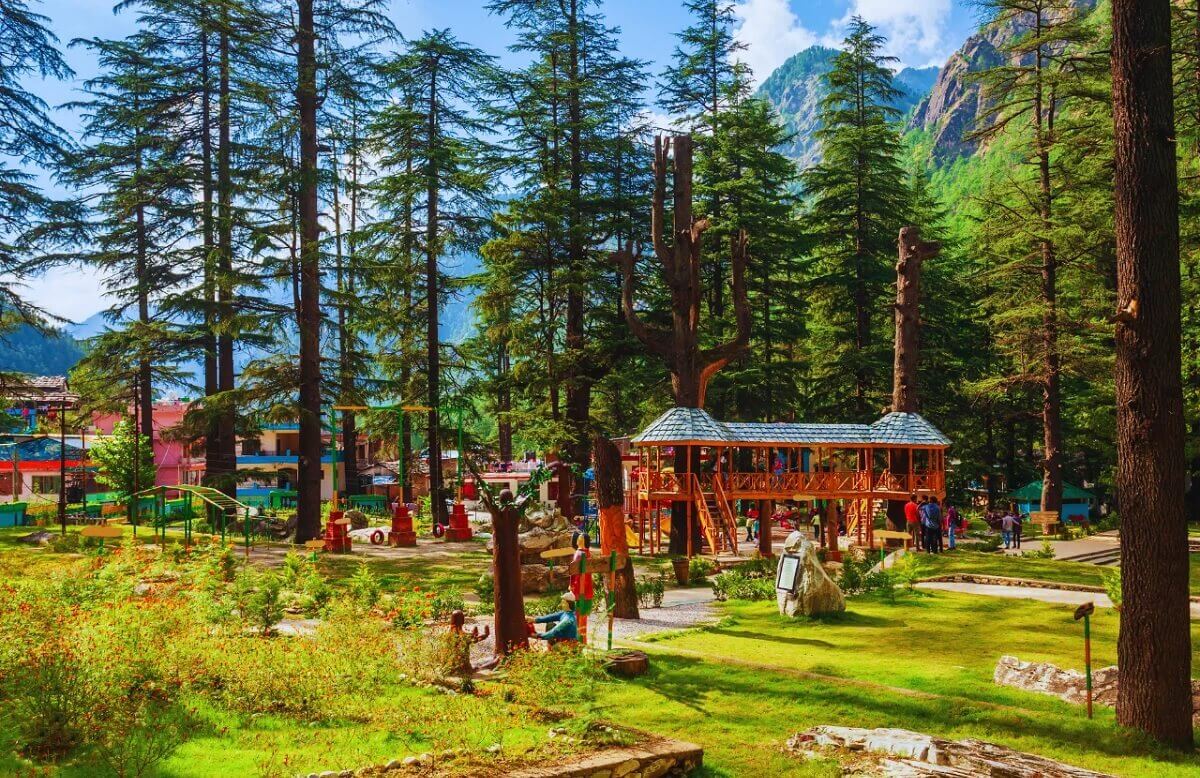
By late 2026, Himachal’s sustainable-tourism initiatives will be in full effect — better waste management, improved mountain trails, and eco-permits for treks like Kheerganga.
November offers perfect clarity and minimal crowding, allowing the valley’s true spirit to shine:
- The air is pure, the river clear, the nights full of stars.
- Prices are lower than in summer.
- Treks are open but not yet snow-blocked.
- The café culture thrives quietly, with fewer travelers and deeper conversations.
If you dream of mountains that feel alive yet untouched, November 2026 is your month.
A Final Reflection — Where the River Knows Your Name
As dusk falls over Kasol, the Parvati River glows silver beneath a fading sun. Smoke curls from café chimneys, laughter echoes from across the bridge, and somewhere a guitar drifts over the rush of water.
We sit by the riverbank, boots dusty from the trail, tea cooling beside us, and realize that Kasol isn’t about doing — it’s about being.
In November 2026, when the snow begins to whisper on distant peaks and the valley exhales its last warmth before winter, Kasol feels infinite.
Come for the trek, stay for the tranquility.
Because in Parvati Valley, even silence sounds like a song.
Himachal Travel Guides & Experiences
- Plan Your Kheerganga Adventure – Easy Routes from Kasol 2026
- Travel from Delhi to Kasol – Step-by-Step Guide by Air, Train & Road
- Explore Manikarnika Mandir Kasol – History, Attractions & Travel Tips
- Discover Manali in October 2026 – Weather, Snowfall & Travel Tips
- Find the Best Time to Visit Manali – Treks, Snowfall & Adventures
- Unwind in Khirsu – 6 Must-Visit Places in Uttarakhand’s Hidden Gem
- Reach Manikaran with Ease – Complete 2026 Travel Guide
- Top Things to Do in Manikaran – Explore the Sacred Valley