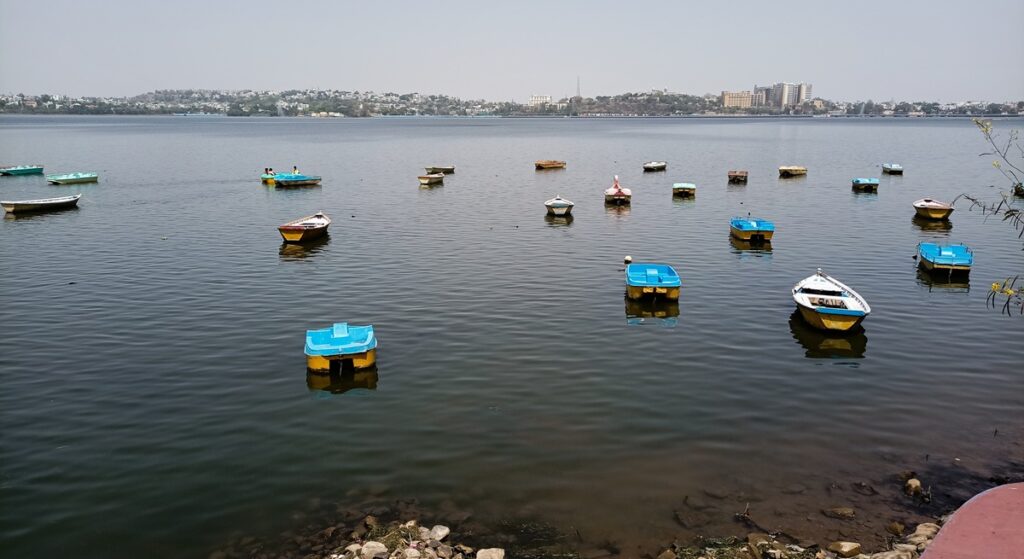
Bhopal feels different from most big Indian cities. Streets climb gentle hills, the air smells fresh after a light breeze, and water glitters at the end of many roads. The skyline is not just buildings and minarets. It is also open water, long ghats, and silhouettes of birds heading home at sunset.
People call Bhopal the City of Lakes for a reason. The lakes are not a side attraction. They are the city’s heart. They shape daily routines, festivals, and even the weather. Locals go for morning walks along wide embankments. Families spend evenings watching paddle boats drift past. Photographers line up at viewpoints when the sky turns pink.
This guide explains why Bhopal earned the name and which lakes you should know. You will learn the stories behind the water, the places to visit, what to do, and how to plan your time. The goal is simple: help you see Bhopal the way locals do, with calm water always in the frame.
Why is Bhopal called the City of Lakes?
History that begins with a king
The story starts in the 11th century with Raja Bhoj. Ruled the region and, according to legend, created a massive lake by building an earthen dam across the Kolans river. He needed a long-lasting water source for people and farms. He also hoped this large “tank” would bring healing to the land. The lake he built is today’s Upper Lake, also called Bhojtal in his honor.
This was not a small project. It changed the local geography and the future of the city. Even now, centuries later, Bhojtal still supports daily life. It shows how a ruler’s decision shaped a modern capital.
Water as a lifeline
Bhopal’s lakes are not just pretty to look at. They are a working system. The Upper Lake supplies a large part of the city’s drinking water. Smaller lakes help with groundwater recharge. Fisherfolk rely on them for income. In a state with hot summers, the lakes also help moderate temperatures.
Many lakes, many neighborhoods
Two lakes dominate the map: the Upper Lake (Bhojtal) and the Lower Lake (Chhota Talab). Together they form the Bhoj Wetland, a protected ecological zone. Around them, you find Shahpura Lake, Motia Talab, Munshi Hussain Khan Talab, and several smaller ponds and reservoirs. In total, there are dozens of water bodies in and around the city. This spread is why water appears again and again as you move across Bhopal.
Culture on the ghats
The lakes are part of local traditions. Ganesh Visarjan processions end at the water. Chhath Puja brings families to the lakeside steps at dawn. On normal days, people come to read, chat, and catch up over street snacks. The water gives the city a slower rhythm, even when traffic is busy a few streets away.
Bhopal and Udaipur: two “Cities of Lakes”
You may hear Udaipur called the City of Lakes as well. The comparison is natural. Udaipur’s lakes feel royal and palace-lined. Bhopal’s feel lived-in and large, with wildlife just across the road at Van Vihar National Park. Both are beautiful. Bhopal stands out for the scale of Bhojtal, the wetland’s biodiversity, and how closely daily life connects with the water.
Famous lakes of Bhopal (and why they matter)
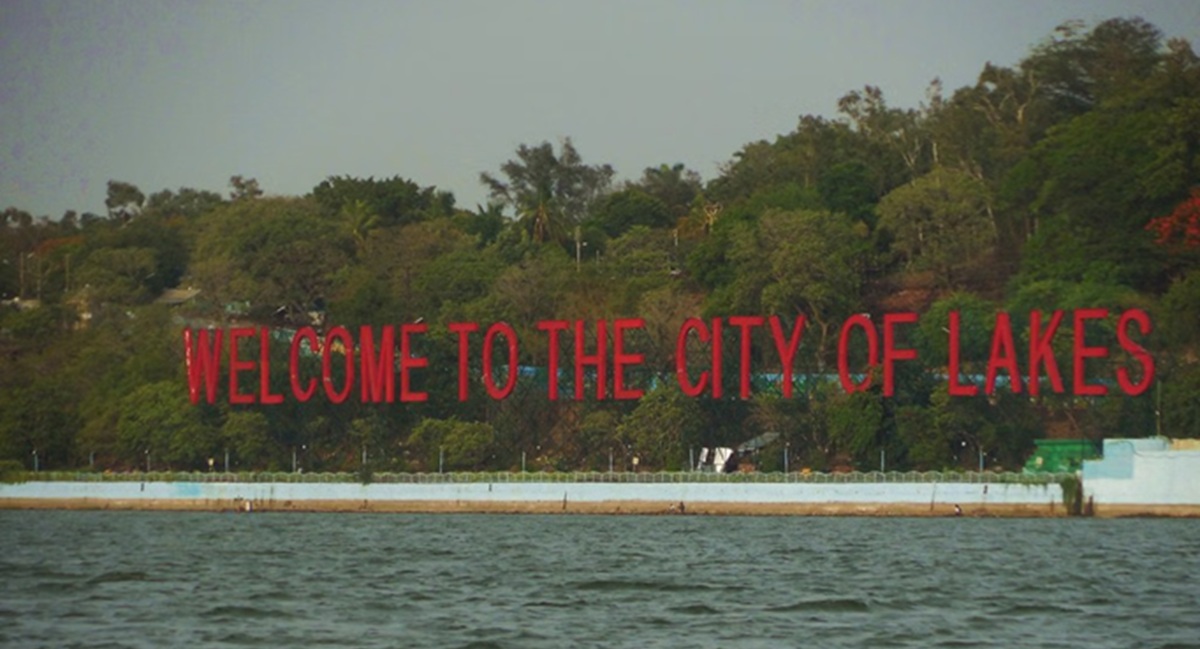
Below are the lakes you will hear about most. Start with the Upper and Lower Lakes. Then add a couple more to see how water shapes the new and old parts of the city.
Find the Perfect Package for Your Journey: Discover Madhya Pradesh with an 8-Day Tour Package – Book Your Journey Now
Upper Lake (Bhojtal): the jewel of Bhopal
What it is: The largest and most iconic lake in the city. Locals call it Bada Talab. Many also use the name Bhojtal, a direct reference to Raja Bhoj.
Why it matters:
- It is a major source of drinking water for Bhopal.
- It anchors the Bhoj Wetland, a protected site known for birdlife and rich plant species.
- It is where the city relaxes. Boating, evening strolls, and lakeside snacks all happen here.
What to see and do:
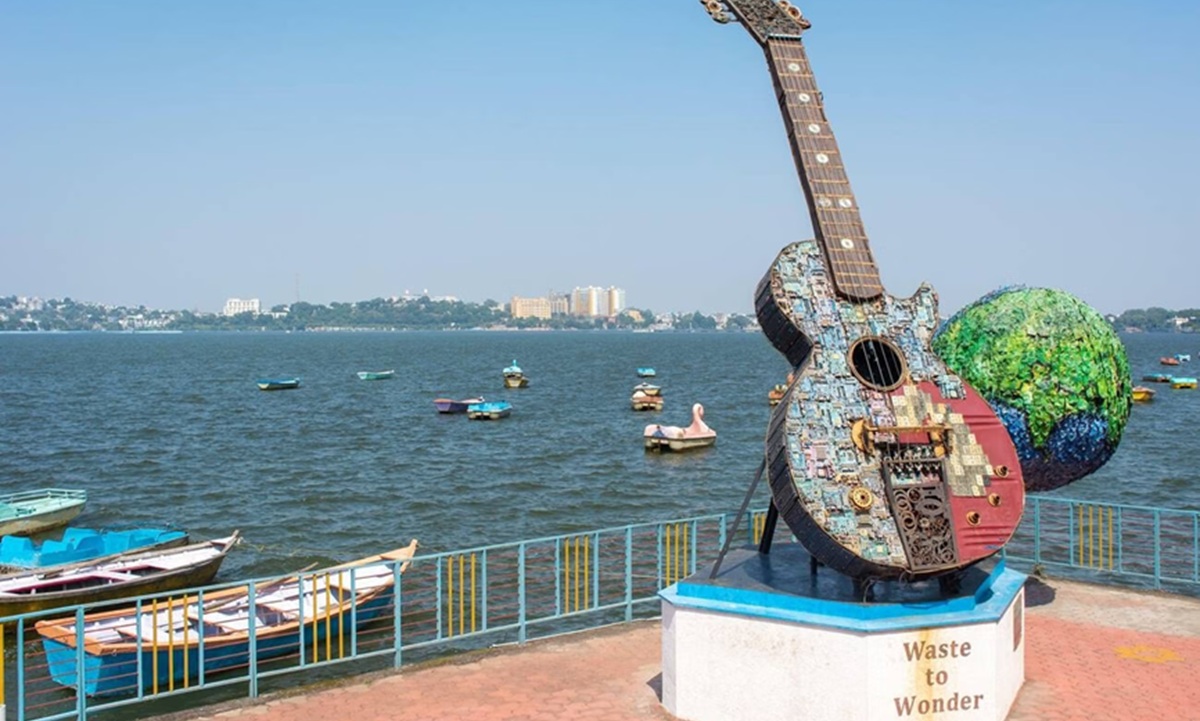
- Boat rides: You can rent paddle boats or take motorboat rides. Late afternoon is ideal. The light is soft and the water turns gold near sunset.
- Van Vihar National Park: This green belt runs along the southern edge of the lake. It feels like a wild patch inside the city, with deer, birds, and shaded paths.
- Viewpoints and parks: Kamla Park and the long embankments offer clear views and space to walk.
- Birdwatching: In winter, migratory birds arrive. Carry binoculars if you like spotting species.
Good to know:
- The lake is large. You will not “cover” it in one short walk. Pick a side or two and enjoy the view.
- Weekends are lively. Weekdays are quieter.
- Street food stalls close to the water are popular. Try poha-jalebi in the morning and bhutte ka kees in the evening.
Photography tip:
- Sunsets are best from the embankments facing west. If the sky is clear, you will get color. If there are soft clouds, even better.
Lower Lake (Chhota Talab): calm water, classic views
What it is: The smaller sibling of the Upper Lake. Both are separated by an old bridge known as Pul Pukhta. Together, they make up the Bhoj Wetland.
Why it matters:
- The water here is more intimate. You see reflections of mosques and old havelis on calm days.
- The walkway is perfect for evening strolls and casual photography.
- It links naturally with the old city, so you can combine a lakeside walk with a visit to markets and heritage lanes.
What to do:
- Walk the promenade around sunset. The light is soft and the air is cooler.
- Look for reflections after a still day. The surface turns mirror-like, especially near the mosques.
Good to know:
- You can plan a two-lake day: start with a morning walk at Upper Lake, end with an evening walk at Lower Lake. It gives you two different moods in one day.
Shahpura Lake: where the new city meets nature
What it is: A well-kept lake in a newer residential area. It has jogging paths, gardens, and seating. Many locals use it for daily exercise.
Why it matters:
- It shows how modern Bhopal plans around water.
- In winter, you can spot migratory birds such as ducks and coots.
- There is space to sit, read, and watch early light across open water.
What to do:
- Visit at sunrise. The lake looks best in soft light.
- Walk a full loop if you have time. It is a great way to start the day.
- Bring a camera in winter. You may catch birds resting close to shore.
Good to know:
- Mornings are active but not crowded. Evenings attract families and walkers.
- Carry a water bottle and keep the paths clean. Locals care about this space.
Motia Talab: the historic mirror
What it is: A smaller lake near the old city, close to the grand Taj-ul-Masajid, one of the largest mosques in Asia.
Why it matters:
- It offers a classic reflection view of the mosque’s domes on still days.
- It connects you to the Nawabi era, when the lake and the surrounding neighborhood were central to royal and civic life.
What to do:
- Combine your visit with Old Bhopal markets nearby.
- Photography is best in the morning when the water is calm.
Good to know:
- Dress respectfully when visiting religious sites nearby.
- Early visits feel calm and safe, with locals beginning their day along the water.
Munshi Hussain Khan Talab: steps, ghats, and old-world charm
What it is: A Nawabi-era lake named after a nobleman. It is known for steps and ghats leading down to the water.
Why it matters:
- It hosts small rituals and community gatherings.
- It gives a clear sense of how older neighborhoods use water spaces for daily life.
What to do:
- Visit in the late afternoon when the light is warm.
- Respect ongoing rituals. Watch quietly from a distance.
Other water bodies to know
Lendiya Talab and Sarangpani Lake sit inside lived-in neighborhoods. They might not show up on tourist lists, but locals care about them. They add to green cover, help birds, and make communities feel open.
Kaliasot Dam lies outside the dense center and works as a picnic spot for families who want water views and a short drive. It is good for a relaxed half-day with snacks and a book.
Lakes and daily life in Bhopal
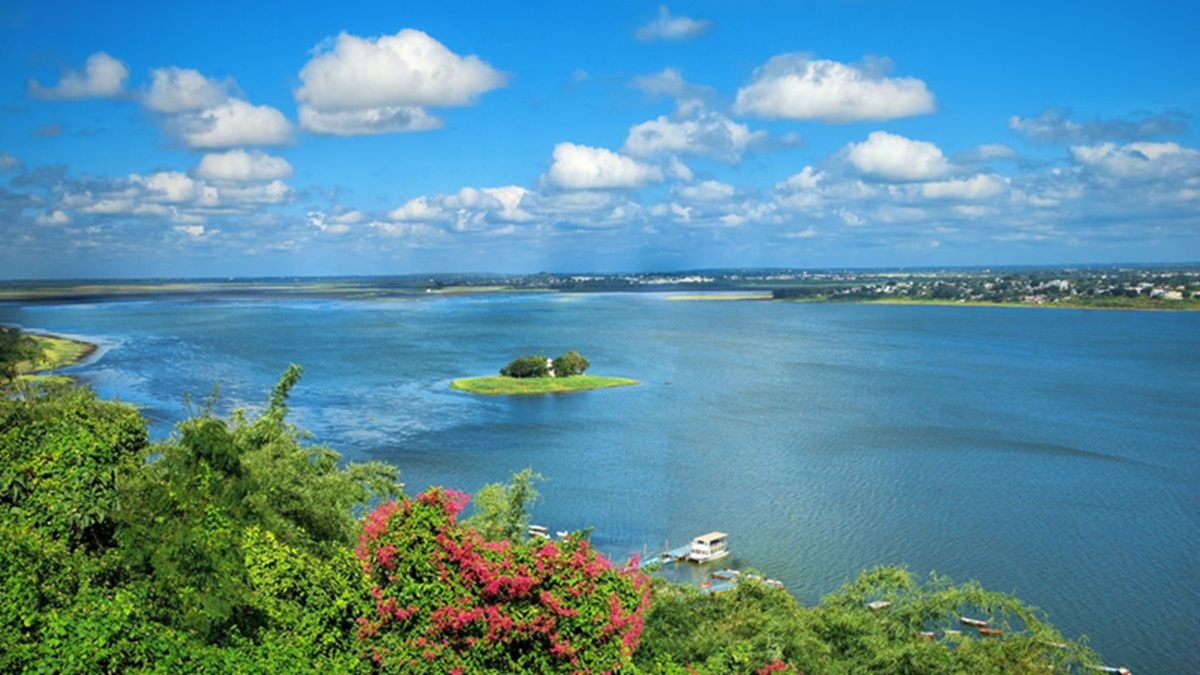
Water shapes routines here. At dawn, joggers appear at Shahpura. Fisherfolk prepare nets near Bhojtal. Students head to Van Vihar with cameras and snacks. Families arrive at Lower Lake in the evening for kulfi, chaat, and a slow walk. On festival days, ghats turn into lively public spaces filled with music and color.
Food belongs in this story too. In the morning, try poha with a side of jalebi and tea. In the evening, look for bhutte ka kees (grated corn cooked with spices and milk), a regional favorite. Eating these by the water makes them taste better. That is just how Bhopal works.
Ecology and the Bhoj Wetland
The Upper and Lower Lakes together form the Bhoj Wetland, a protected site known for its biodiversity. In winter, migratory birds arrive and rest on its open water. The wetland supports fish species, which support local livelihoods. Aquatic plants, reeds, and marshy edges give space for nesting and shelter.
With growth comes pressure. Lakes in all Indian cities face pollution and encroachment. Bhopal’s answer has been a mix of clean-up drives, awareness programs, and better wastewater management. Visitors can help by keeping food waste out of the water, avoiding plastic, and using public bins. Responsible travel is the easiest way to protect a place you enjoy.
Customize Your Tour Package Today: Plan a 7-Day UNESCO Heritage Trip to Madhya Pradesh – Culture & Wonders
Activities you should try on the lakes
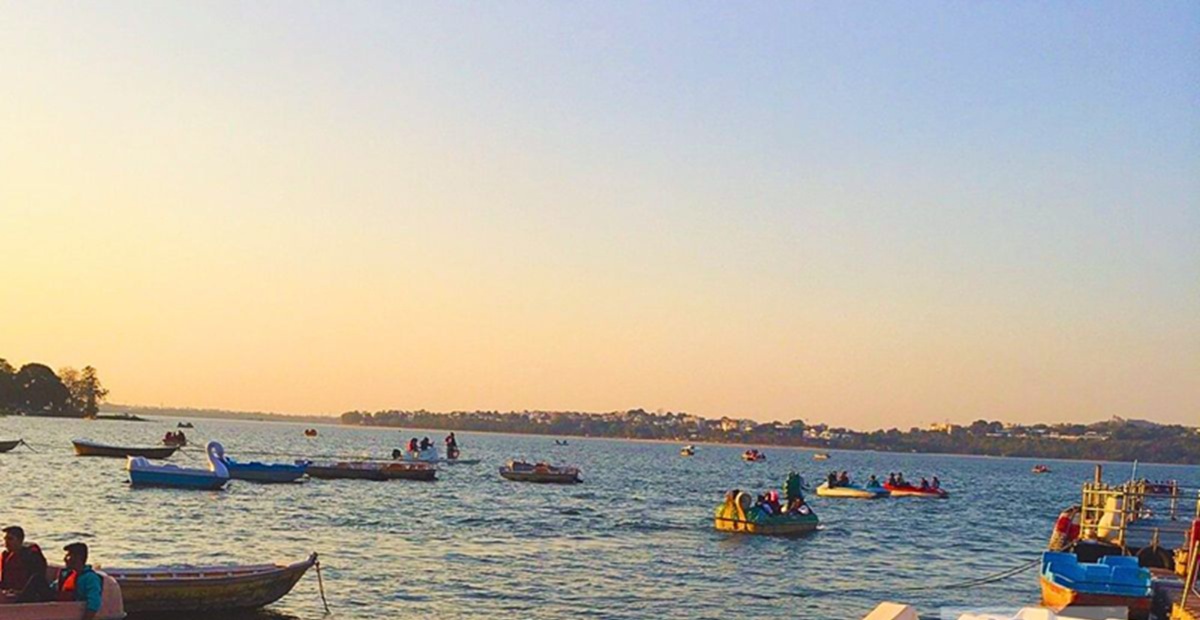
- Boating on Upper Lake: Classic paddle boats are fun for families. Motorboats cover more water if you want a longer ride.
- Birdwatching: Try Shahpura Lake at sunrise in winter. You will likely spot ducks and other visitors from colder regions.
- Cycling or walking loops: Upper Lake has long, open stretches. Shahpura is great for timed laps.
- Photography walks: For reflections, aim for Lower Lake on still mornings. For wide water scenes, pick Bhojtal near sunset.
- Park-and-picnic days: Combine Van Vihar with a shoreside snack for a slow, nature-first afternoon.
Best time to visit Bhopal’s lakes
- Winter (Oct to Feb): The most pleasant time. Skies are clear. Migratory birds arrive. Sunsets are colorful.
- Summer (Mar to Jun): Hot afternoons, but early mornings and late evenings by the water are still enjoyable.
- Monsoon (Jul to Sep): Lakes look dramatic and full. Heavy rain is common, so plan flexible indoor options as backup.
A simple one-day “lake circuit” in Bhopal
- Sunrise at Shahpura Lake: Walk a loop. Watch the light change.
- Breakfast nearby: Poha-jalebi and chai.
- Late morning: Head to Motia Talab and the Taj-ul-Masajid area. Take a slow heritage walk through old lanes.
- Afternoon at Upper Lake: Visit Van Vihar for shaded paths and wildlife viewing.
- Sunset boat ride on Bhojtal: End the day on the water.
- Evening stroll at Lower Lake: Try local snacks and enjoy the skyline.
This route shows three moods: a modern neighborhood lake, a historic lake beside old markets, and the city’s great water body with a national park next door.
Book Your Dream Tour Package Now: Book a 5-Day Khajuraho, Orchha & Jhansi Tour – Explore History & Temples
Practical tips for first-time visitors
- Boating: Last rides are usually before dark. Arrive early for tickets on weekends.
- Clothing: Comfortable walking shoes and a light layer for breezy evenings by the water.
- Safety: Lakesides are popular, but basic rules apply. Keep valuables close and use well-lit paths after sunset.
- Clean travel: Carry a reusable bottle. Avoid single-use plastic. Use bins along the promenades.
- With kids: Choose Shahpura or Lower Lake in the evening. They have space to run and plenty of snack options.
- With seniors: Plan short, flat walks and frequent breaks. Benches are easy to find around Upper and Lower Lakes.
Street Food and Lakeside Culture in Bhopal
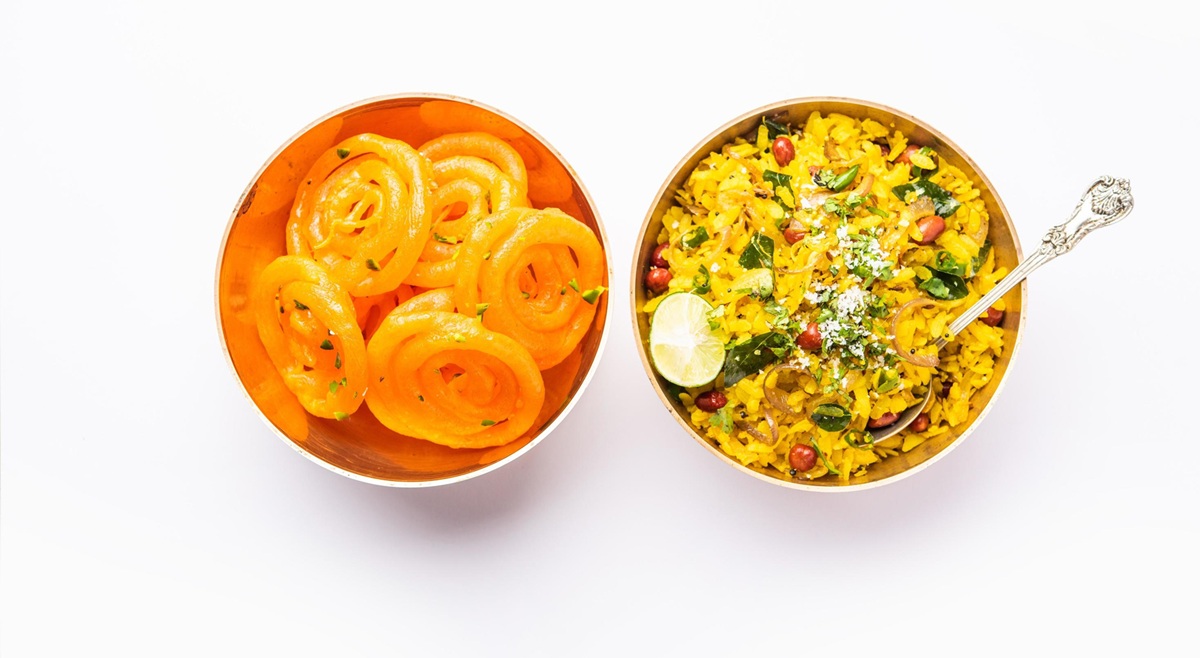
No visit to Bhopal’s lakes is complete without tasting the food stalls that line the promenades. The lakes double up as open-air dining spaces where families gather, college students hang out, and travelers discover flavors unique to Madhya Pradesh.
What to Try
Poha-Jalebi
The ultimate Bhopal breakfast. Fluffy poha topped with sev and coriander, paired with hot, crispy jalebis. Best enjoyed near the Upper Lake in the early morning.
Bhutte Ka Kees
A local specialty made with grated corn, cooked in milk and spices. Found in evening stalls near Lower Lake. Warm, creamy, and filling.
Chaat Varieties
From pani puri to dahi puri, stalls around the lakes offer quick, spicy bites. Watch the sunset while munching.
Kulfi Falooda
A sweet dish made with cold kulfi, vermicelli, and rose syrup. A refreshing treat after a long walk.
Samosa and Chai
A classic pairing for evenings by Shahpura Lake. Vendors carry thermos flasks of masala chai that taste best with the cool lake breeze.
Why It Matters
Eating by the lakes is not just about food. It’s about social connection. Friends gather after college, families share snacks, and couples enjoy quiet corners. The lakes are dining halls under the open sky.
Festivals and Rituals at Bhopal’s Lakes
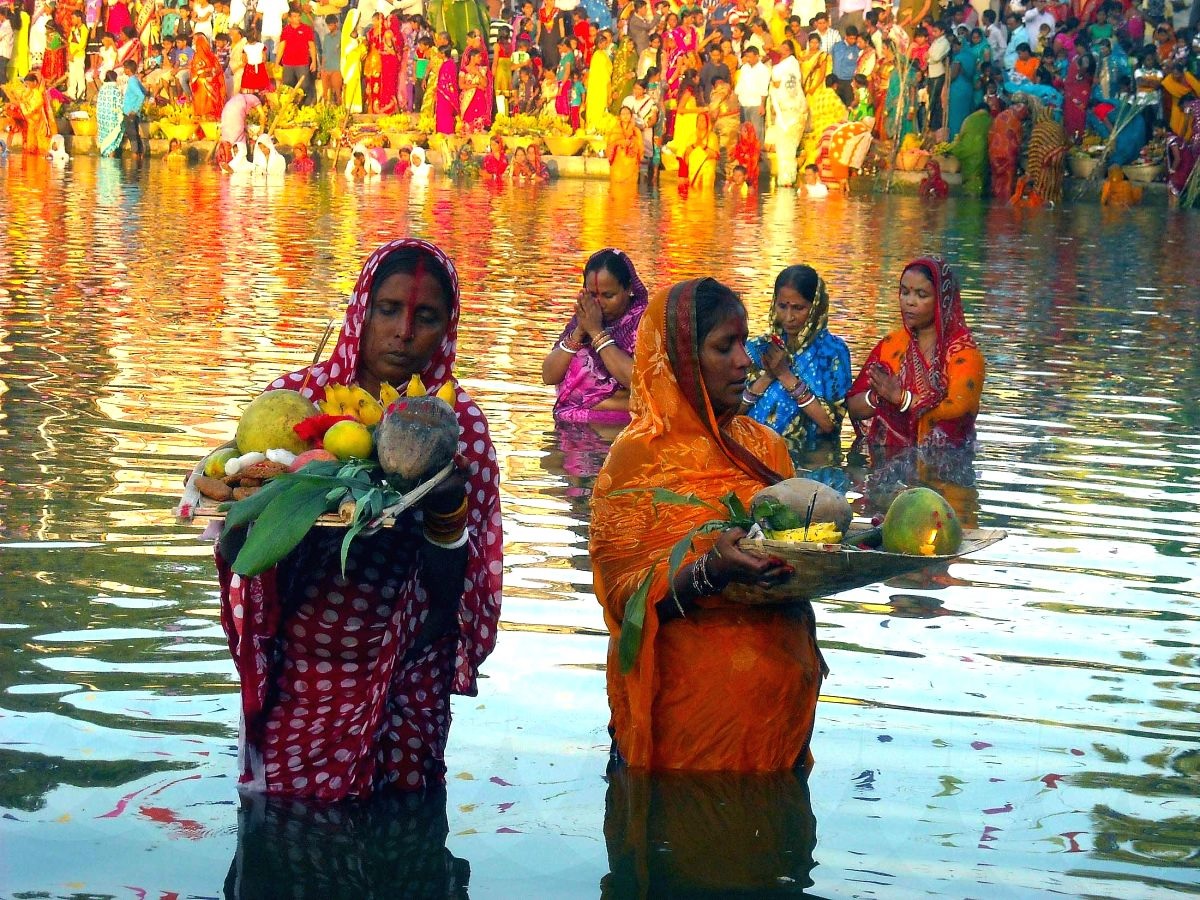
The lakes are sacred to locals, and many festivals are centered around them. If you visit during festival season, you’ll see the ghats transform into vibrant stages.
Ganesh Chaturthi
- In September, idols of Lord Ganesha are immersed in the lakes during Ganesh Visarjan. The sight of colorful processions, drums, and chants ending at the water is unforgettable.
Chhath Puja
- Celebrated mainly by people from Bihar and eastern India, Chhath Puja honors the Sun God. Families gather on the ghats at sunrise and sunset, offering prayers with fruits and diyas.
Makar Sankranti & Kite Flying
- While not directly a lake ritual, January skies over Bhopal’s lakes fill with kites. Watching reflections of hundreds of kites over Bhojtal is a sight to remember.
Other Rituals
- Daily pujas, small family rituals, and seasonal community prayers are common. The lakes are living temples as much as they are natural wonders.
Birdwatching: A Paradise for Nature Lovers
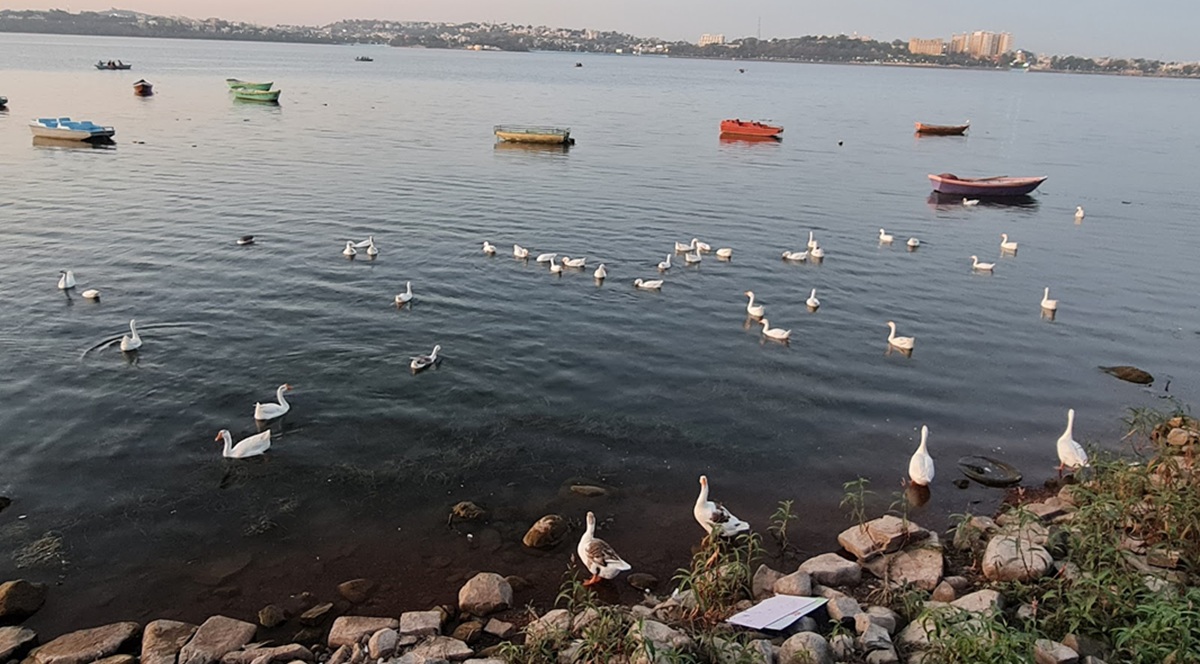
The Bhoj Wetland (Upper and Lower Lakes together) is recognized as a Ramsar site, which means it is of international importance for migratory birds and wetland ecosystems.
Birds You May Spot
- Bar-headed Goose – flies all the way from Central Asia.
- Painted Stork – tall, graceful birds with striking pink feathers.
- Common Pochard – a diving duck often seen in groups.
- Pied Kingfisher – black and white, hovering above the water before diving for fish.
- Indian Cormorant & Egrets – drying their wings on rocks or perches.
Best Spots
- Upper Lake: Western banks and Van Vihar side.
- Shahpura Lake: Early mornings in winter.
- Lower Lake: Ghats and quieter corners.
Tips for Birdwatchers
- Bring binoculars or a zoom lens.
- Go at dawn when birds are most active.
- Wear muted clothing to avoid disturbance.
- Join local birdwatching groups who often organize Sunday morning walks.
Conclusion: Bhopal’s Soul Reflected in Its Waters
Bhopal is more than its government buildings and modern roads. It is a city where life slows down by the water. The Upper Lake, built centuries ago by Raja Bhoj, still sustains the city. The Lower Lake mirrors mosques and old houses. Shahpura adds balance in the modern neighborhoods. Motia Talab keeps history alive. Each lake tells a different story, but together they explain why Bhopal is the City of Lakes.
Visiting these lakes is not just about sightseeing. It’s about stepping into the city’s rhythm. Early morning walkers, children feeding birds, families enjoying snacks, students sketching sunsets — the lakes hold their lives together.
So when you visit, don’t just take photos. Sit by the water. Listen. Watch. Feel the calm. That’s when you’ll understand why Bhopal is proud of this title.
FAQs
1. How many lakes are there in Bhopal?
Bhopal has 17 major lakes and several smaller ponds. The most important ones are Upper Lake, Lower Lake, Shahpura Lake, Motia Talab, and Munshi Hussain Khan Talab.
2. Which is the largest lake in Bhopal?
The Upper Lake (Bhojtal) is the largest, covering over 30 square kilometers. It is also one of the largest artificial lakes in Asia.
3. Can you do boating in Bhopal?
Yes. Boating is available at the Upper Lake and Lower Lake. You can try paddle boats, motorboats, and even sailing experiences. Timings usually run from morning until early evening.
4. Which lake is best for birdwatching?
Shahpura Lake is excellent for birdwatching, especially in winter. The Upper Lake near Van Vihar also attracts migratory birds like geese and storks.
5. Why are Bhopal’s lakes important?
They provide drinking water, support fisheries, regulate climate, sustain biodiversity, and are central to the city’s festivals and cultural life.
6. When is the best time to visit Bhopal’s lakes?
October to March is the best season. The weather is cool, migratory birds arrive, and festivals like Chhath Puja bring the ghats alive.
7. Which festivals are celebrated at the lakes?
Ganesh Visarjan, Chhath Puja, and daily religious rituals are major lake-centered events. The lakes also serve as community gathering points year-round.
8. How does Bhopal compare with Udaipur as a City of Lakes?
Udaipur’s lakes are smaller and palace-lined, giving them a royal feel. Bhopal’s lakes are larger, wilder, and more integrated into daily life. Both are unique in their own way.
Essential Reads for You:
- Plan Your Trip: Best Ways to Reach Sanchi Stupa from Bhopal
- Find the Nearest Railway Station to Omkareshwar for Easy Travel
- Explore Top Day Trips from Ujjain to Omkareshwar, Mandu & Indore
- Discover UNESCO World Heritage Sites in Madhya Pradesh
- Taste the Famous Food of Madhya Pradesh – A Traveler’s Guide
- Explore the 9 Must-Visit Places in Orchha and Nearby Areas
- Uncover 20 Underrated Monuments in India You Must See
- Check Out 11 Amazing Places to Visit Near Indore in 2025
- Visit India’s 20 Stunning Heritage Towns – Complete Guide
- Learn How to Reach Satpura National Park Easily
- Top Historical Places to Visit in North India with Family