Madhya Pradesh, called the Heart of India, is not just central geographically but also central to India’s cultural identity. The state hosts three UNESCO World Heritage Sites—Khajuraho, Sanchi, and Bhimbetka—that represent diverse aspects of Indian civilization: temple architecture, Buddhist heritage, and prehistoric art. Beyond these, Madhya Pradesh is dotted with forts, palaces, temples, and ancient towns that stand as living reminders of dynasties like the Mauryas, Chandelas, Bundelas, and Holkars. This guide explores not only the UNESCO sites but also other iconic monuments like Orchha, Mandu, Gwalior Fort, and Omkareshwar. You’ll find practical travel advice, season-wise tips, food suggestions, and estimated costs to plan your trip efficiently. Whether you are a history lover, architecture enthusiast, or spiritual traveler, Madhya Pradesh offers a heritage trail like no other.
1. Khajuraho Group of Monuments (UNESCO World Heritage Sites)
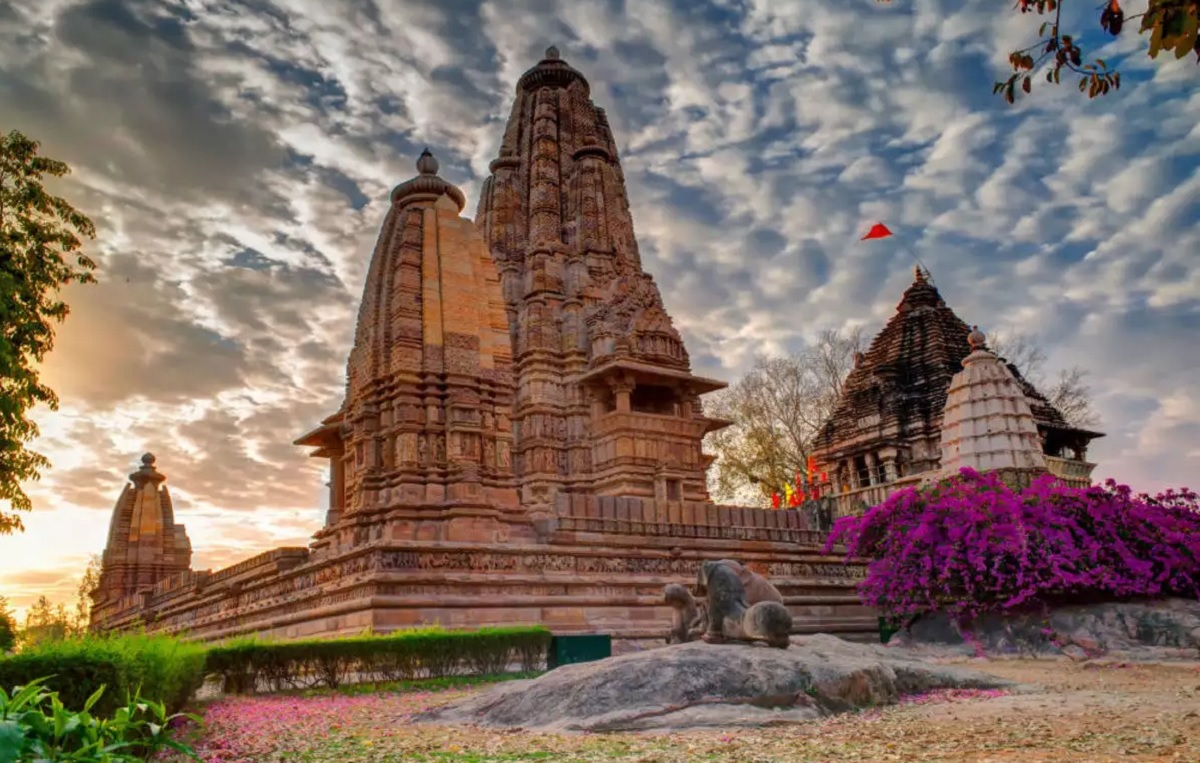
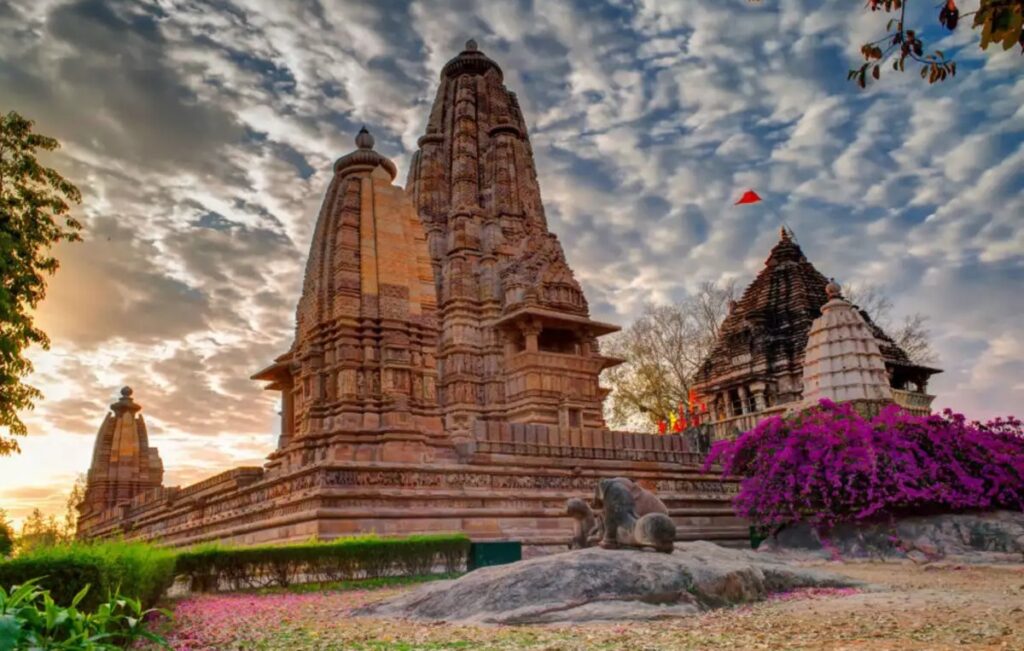
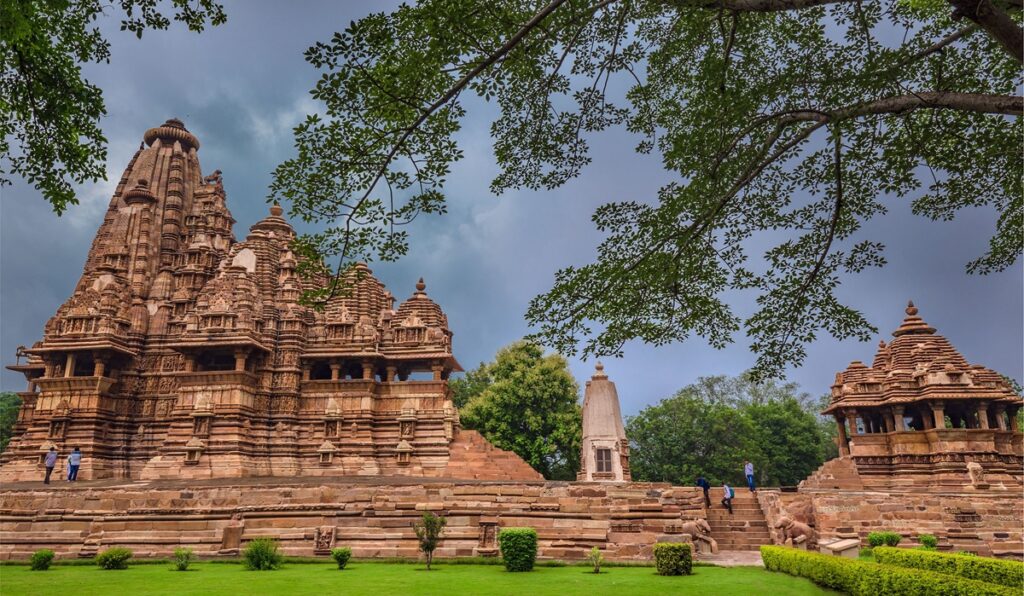
The Khajuraho Temples in Chhatarpur district are world-famous for their carvings that depict life in all its forms—spiritual, sensual, and everyday. Built between 950–1050 CE by the Chandela dynasty, around 20 temples remain today. The Kandariya Mahadev Temple, dedicated to Shiva, is the largest and most ornate. Lakshmana Temple represents Vaishnavite devotion, while Jain temples like Parshvanatha showcase religious harmony. Despite their reputation for erotic sculptures, only about 10% of carvings are erotic, the rest depict war, dance, music, and rituals. Recognized by UNESCO in 1986, Khajuraho is also the venue for the annual Dance Festival every February. Entry to the Western Group costs ₹40 (Indians) and ₹600 (foreigners). Best explored in winter, Khajuraho remains Madhya Pradesh’s cultural crown jewel.
Customize Your Tour Package Today: 5 Days Khajuraho, Orchha & Jhansi Tour Itinerary
2. Buddhist Monuments at Sanchi (UNESCO World Heritage Sites)

The Great Stupa of Sanchi, built in the 3rd century BCE by Emperor Ashoka, is one of the oldest stone structures in India. It enshrines relics of Buddha and symbolizes enlightenment. Over centuries, the complex expanded to include stupas, monasteries, temples, and the famous toranas (gateways) carved with Jataka tales. Declared a UNESCO World Heritage Site in 1989, Sanchi continues to be a global Buddhist pilgrimage site. Located just 46 km from Bhopal, it’s easily accessible by road or train. Entry costs ₹40 for Indians and ₹600 for foreigners. The best time to visit is during Buddha Purnima celebrations, when monks and devotees gather for prayers. With peaceful surroundings and well-preserved monuments, Sanchi offers both spiritual depth and historical richness.
Book Your Dream Tour Package Now: 4 Days Khajuraho & Panna Tour Itinerary
3. Rock Shelters of Bhimbetka (UNESCO World Heritage Sites)
The Bhimbetka Rock Shelters, about 45 km from Bhopal, are a window into prehistoric human life. More than 400 caves contain paintings dating from 10,000 years ago to the medieval period. The artwork shows hunting, dancing, rituals, and animals like bison, tigers, and elephants. Excavations revealed tools and pottery over 100,000 years old, proving continuous human habitation. The name comes from Bhima of the Mahabharata, meaning “the sitting place of Bhima.” UNESCO recognized Bhimbetka in 2003 for its anthropological and cultural significance. Entry costs ₹25 for Indians and ₹600 for foreigners. Visiting requires 3–4 hours of walking through natural trails. Best visited in winter or post-monsoon, Bhimbetka gives travelers a rare chance to connect with ancient ancestors.
Plan Your Trip to: Best Time to Visit Ujjain – Weather & Seasonal Travel Guide
4. Orchha Monuments (UNESCO Tentative List)
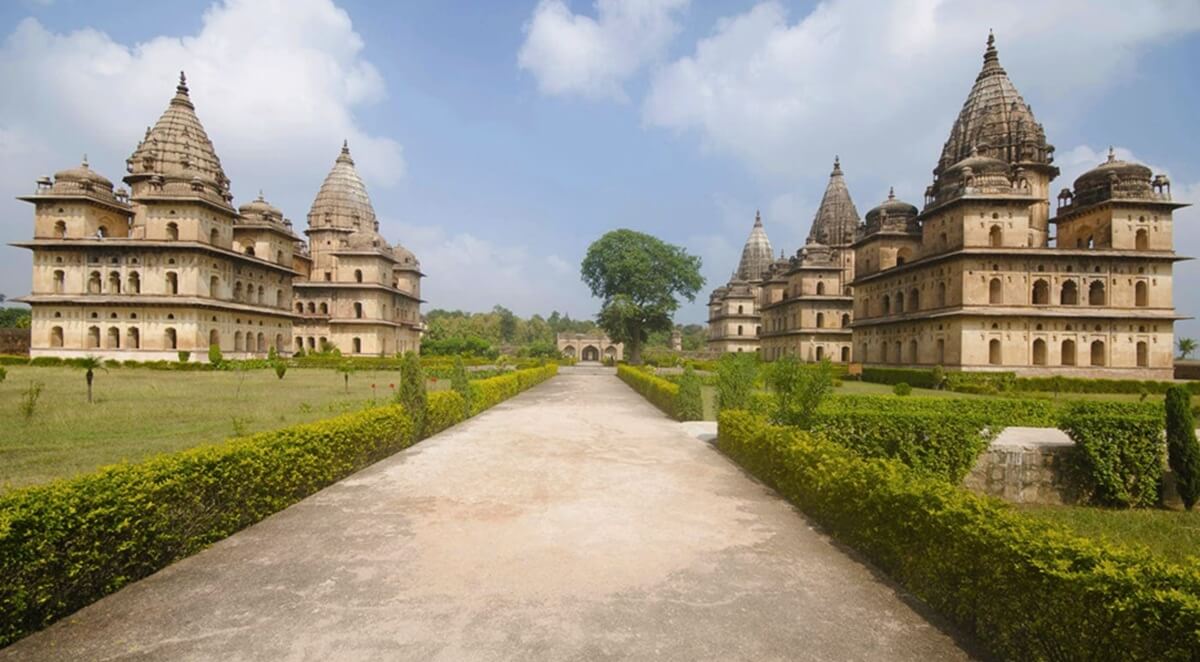
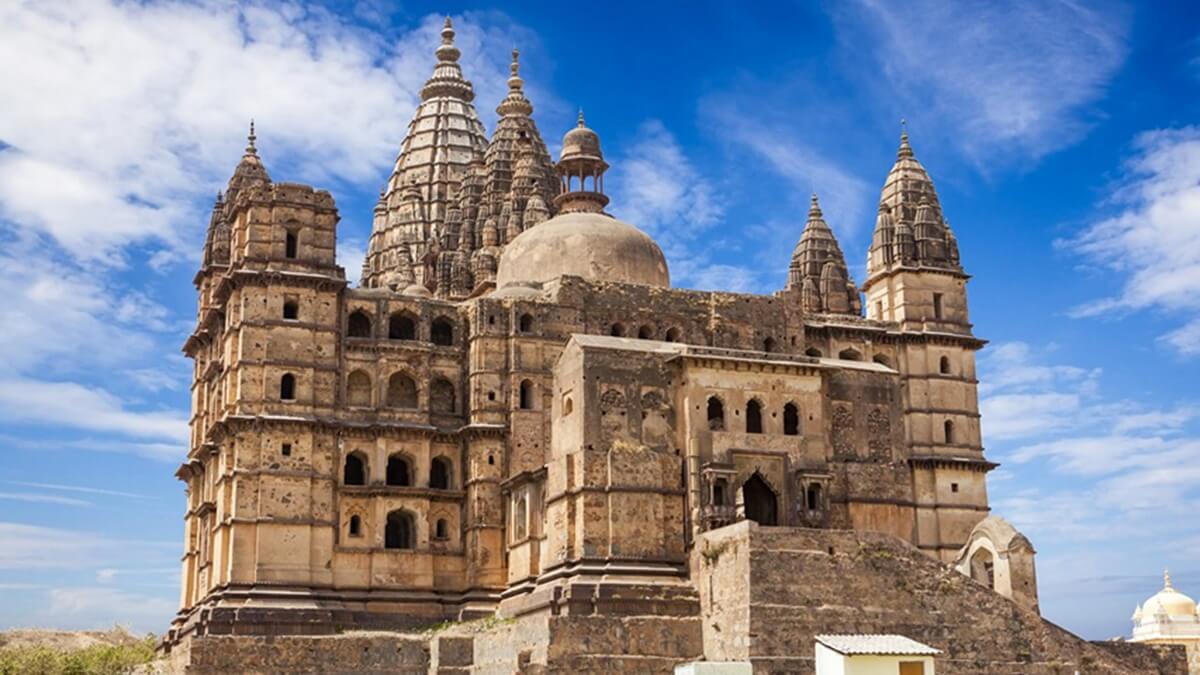
Orchha, near Jhansi, is a medieval town built by the Bundela rulers in the 16th century. Its monuments include the Jahangir Mahal, a Mughal-Rajput fusion palace; the Raja Mahal, with mural paintings; and the Chaturbhuj Temple dedicated to Vishnu. The cenotaphs (chhatris) of Bundela kings along the Betwa River are striking at sunset. Orchha is on UNESCO’s tentative list, thanks to its unique architecture and preserved medieval town planning. Easily accessible from Jhansi (20 km), Orchha is a favorite for photography, history, and cultural immersion. A day trip is enough to explore the monuments, but staying overnight allows travelers to enjoy river views and sound-and-light shows.
Check Out Our Exclusive Tour Packages: 7 Days Madhya Pradesh UNESCO Heritage Tour Itinerary
5. Gwalior Fort & Monuments
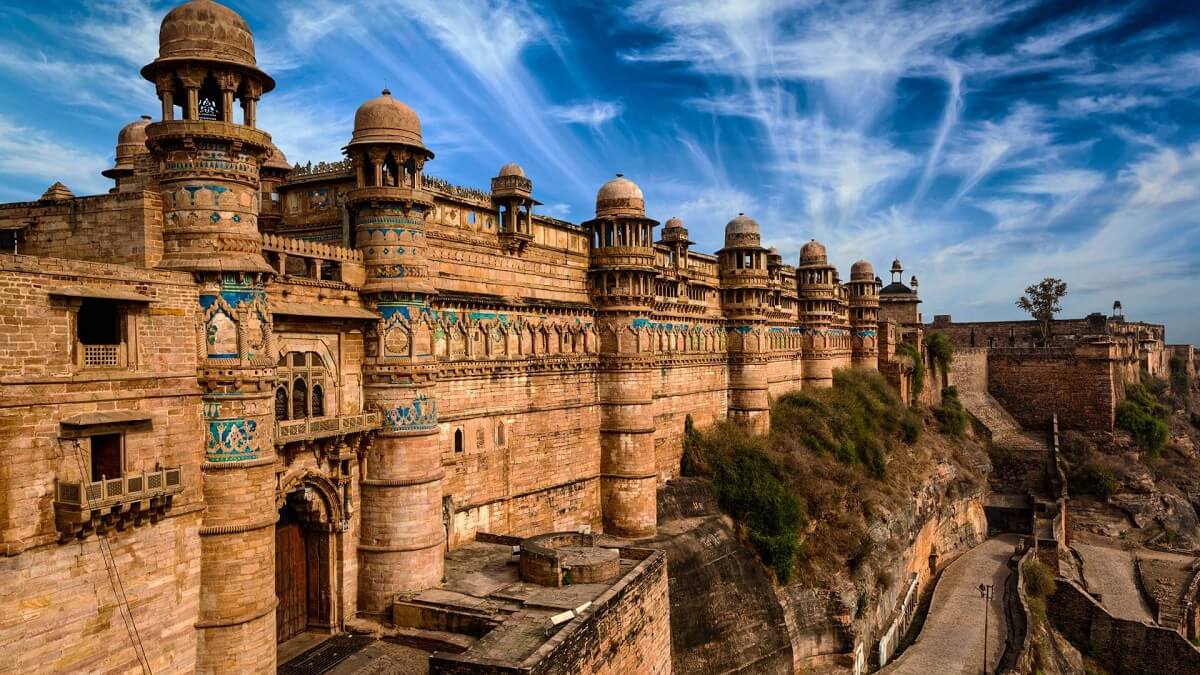
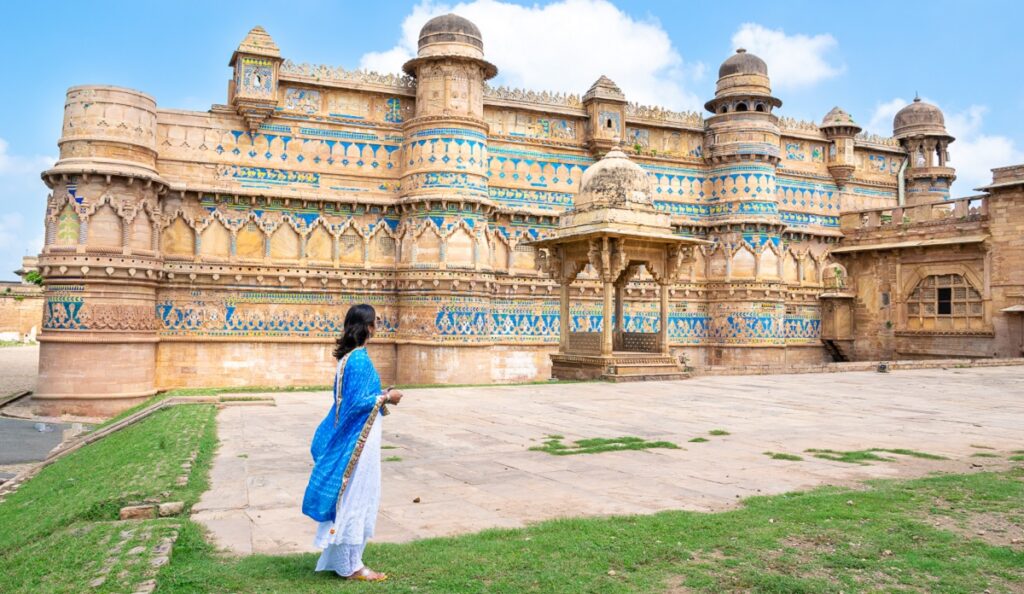
The Gwalior Fort, often called the “Gibraltar of India,” dominates the city skyline. Built over centuries by Tomars, Mughals, and Marathas, it houses the Man Singh Palace, decorated with colorful tiles; the Sas-Bahu Temple, known for carvings; and the Teli ka Mandir, blending Dravidian and Nagara architecture. The fort also has Tansen’s Tomb, celebrating India’s legendary musician. The evening light-and-sound show narrates Gwalior’s history vividly. Entry costs around ₹50 for Indians and ₹250 for foreigners. Easily reached by train from Delhi (4–5 hours), Gwalior Fort is best visited between October and March.
Discover the Beauty of: Gwalior Travel Guide – Famous Temples, Forts & Local Markets
6. Mandu – City of Joy
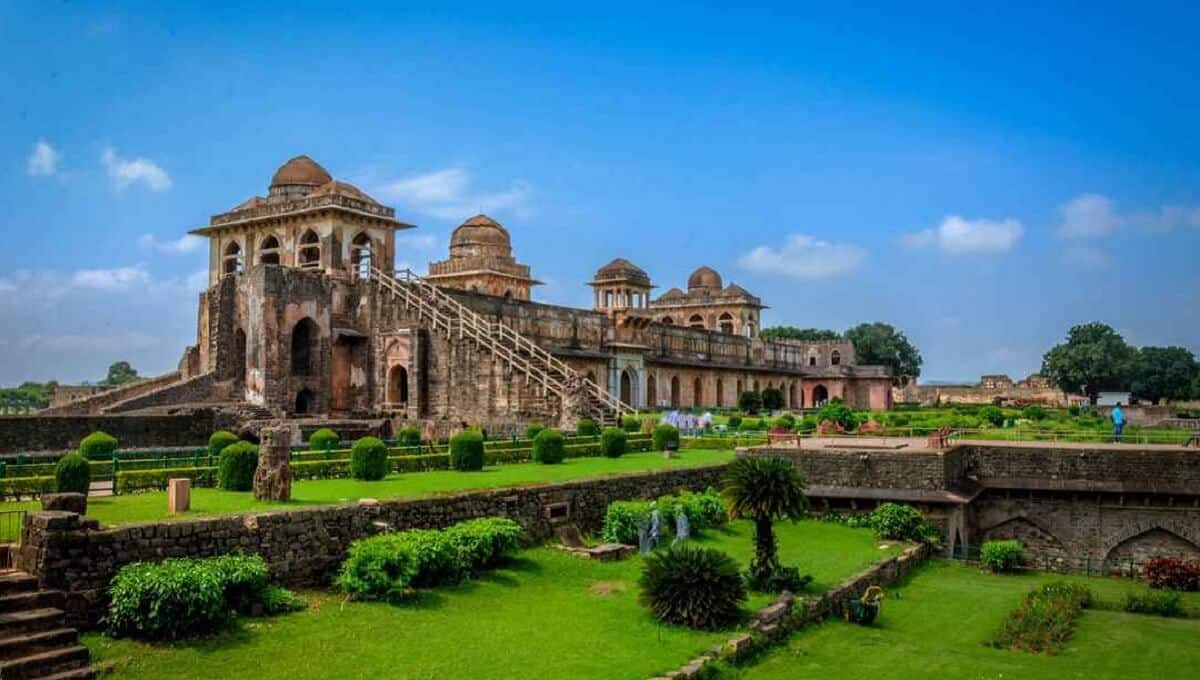
Mandu, near Indore, is a ruined fortress town known for its Afghan architecture and romantic legends. The Jahaz Mahal (Ship Palace) looks like it floats between two lakes during monsoon. Rupmati’s Pavilion offers panoramic views and tells the tragic love story of Rani Rupmati and Baz Bahadur. Other highlights include Hindola Mahal, Hoshang Shah’s Tomb, and Jami Masjid. Mandu is on the UNESCO tentative list. Entry tickets are around ₹25 (Indians). Best visited in monsoon (July–September) when the region turns lush green, Mandu feels like stepping into a fairy tale of love and history. Experience Mandu – Discover What Makes Its Monuments & Palaces Special!
7. Maheshwar Temples & Forts
Maheshwar, on the banks of the Narmada River, is famous for the Ahilya Fort. It was the seat of Ahilyabai Holkar, one of India’s most respected queens, who built temples across the country. The riverside temples, ghats, and evening aartis make Maheshwar spiritually uplifting. It’s also known for the Maheshwari sarees, woven by local artisans. Travelers often combine Maheshwar with Mandu and Omkareshwar. Boating on the Narmada during sunset is a must-do. Entry to the fort is free, though guides charge ₹400–₹800.
Read more: Mahakaleshwar Jyotirlinga: A Complete Darshan Guide
8. Bhojeshwar Temple, Bhojpur
Just 28 km from Bhopal lies the unfinished Bhojeshwar Temple, housing one of India’s largest Shiva Lingams, 18 feet high. Built by Raja Bhoja in the 11th century, the temple remains incomplete but is revered as the “Somnath of the East.” The site also has remains of unfinished structures, giving insight into medieval temple construction. Entry is free, and the temple is most visited during Maha Shivratri.
Experience Nature in Bhopal – Check Out the Famous Lakes!
9. Chanderi Fort & Monuments
Chanderi, between Bhopal and Jhansi, is known for both textiles and monuments. The Chanderi Fort, Badal Mahal Gate, and Jama Masjid reflect Sultanate and Rajput influences. Chanderi also has Jain temples and medieval trade links. It is quieter than Orchha or Gwalior but equally rich in history.
Check the Complete Travel Guide to: Top Places to Visit Near Indore Within 400 KM (2025)
10. Burhanpur Monuments
Burhanpur was once the Mughal capital of the Deccan. Shah Jahan lived here, and Mumtaz Mahal died here before being buried at the Taj Mahal. The Shahi Qila, Jama Masjid, and Ahukhana are key attractions. Burhanpur is also known for its stepwells and water systems. A hidden gem, it attracts heritage enthusiasts more than casual tourists.
11. Udayagiri Caves (Near Vidisha)
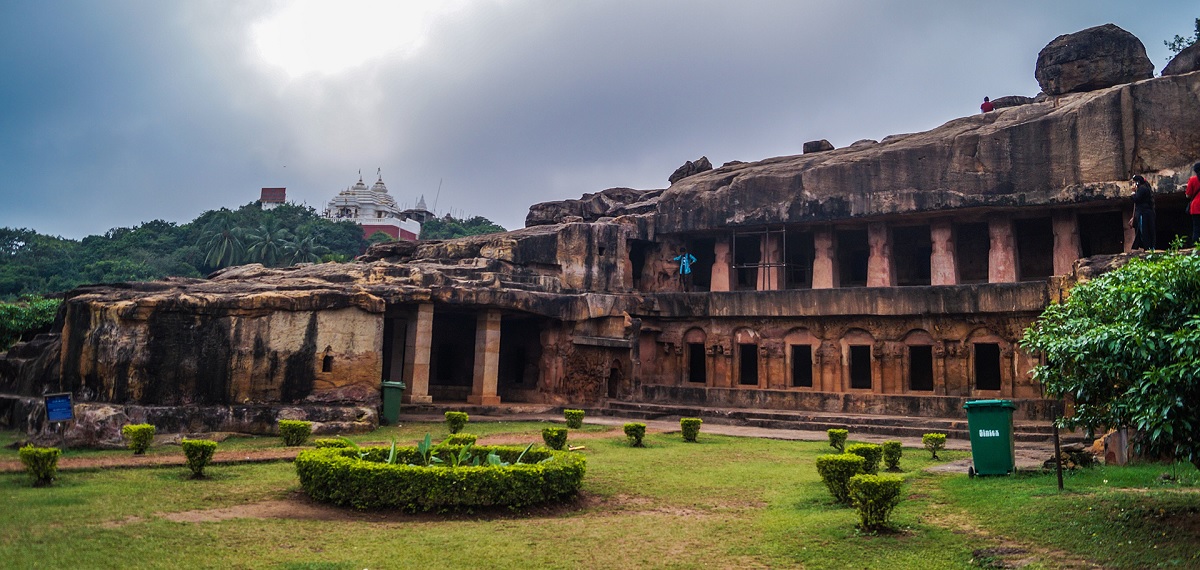
These 5th-century caves are a masterpiece of Gupta art. The most famous carving is the Varaha Avatar of Vishnu, rescuing the Earth goddess. Other caves house Hindu deities like Shiva and Durga. Located 10 km from Sanchi, Udayagiri is an easy add-on for heritage travelers. Entry is ₹25 (Indians).
Customize Your Tour Package Today: 5 Days Khajuraho, Orchha & Jhansi Tour Itinerary
12. Morena Temples – Bateshwar & Mitawali
Near Gwalior, the Bateshwar Temple Complex has more than 200 small sandstone temples dedicated to Shiva and Vishnu. Restored after decades of damage, the site is peaceful and stunning. Close by, Mitawali’s Chausath Yogini Temple is circular in design and is said to have inspired the Indian Parliament House.
Explore Top Attractions in: Best Cultural & Heritage Sites to Visit in India in August
13. Omkareshwar Jyotirlinga

Omkareshwar, an island shaped like the sacred “Om,” is one of the 12 Jyotirlingas of Shiva. The Omkareshwar Temple and ghats attract thousands of devotees daily. Pilgrims often combine Omkareshwar with Maheshwar. Boat rides, aarti, and spiritual walks add to the experience.
Read Also: Omkareshwar Jyotirlinga Temple – History & Significance
14. Pachmarhi – Satpura’s Heritage Caves
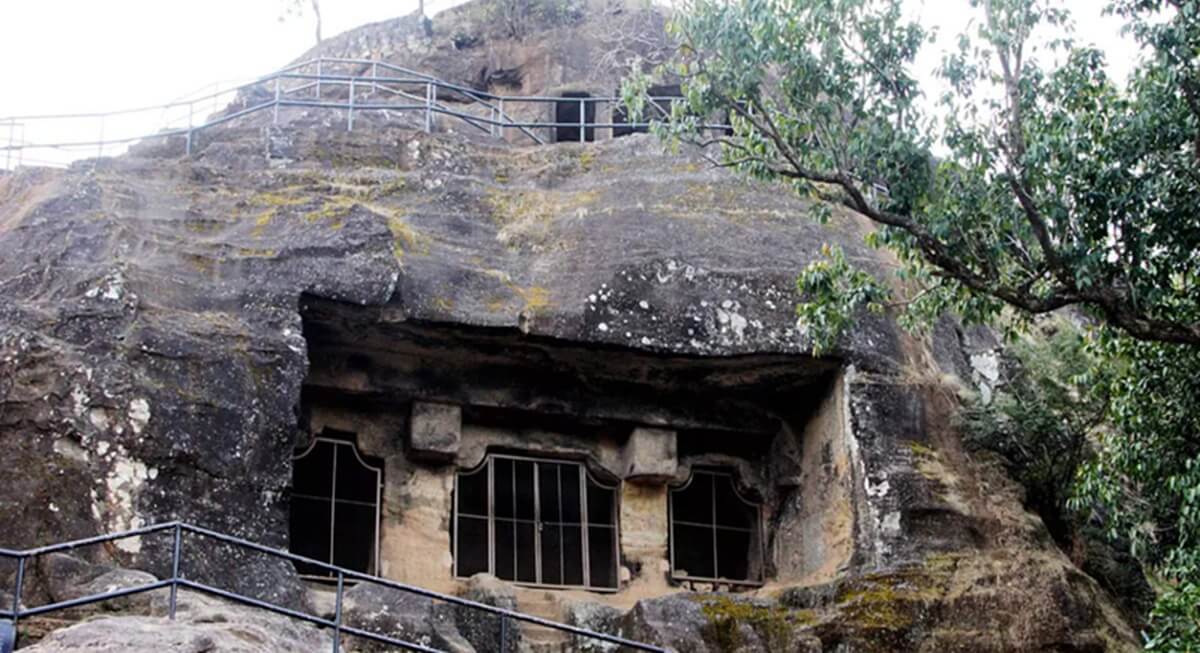
Pachmarhi, the only hill station in Madhya Pradesh, is known for its colonial charm and ancient Pandava Caves. Rock paintings similar to Bhimbetka are also found here. Combined with waterfalls and greenery, Pachmarhi is a mix of heritage and natural beauty.
Check the Complete Travel Guide to: Top 7 Tourist Places in Pachmarhi You Must Visit
15. Raisen Fort
Located near Bhopal, Raisen Fort has witnessed Afghan, Mughal, and Maratha rule. Its palaces, temples, and mosques reflect the layered history of central India. The fort sits on a hill, making it a good half-day heritage excursion.
Season-Wise Travel Guide
- Winter (Nov–Feb): Best season, pleasant for long walks at Khajuraho, Sanchi, and Mandu.
- Summer (Mar–Jun): Hot, best avoided midday. Early mornings recommended.
- Monsoon (Jul–Sep): Perfect for Mandu, Pachmarhi, and Orchha; slippery in Bhimbetka.
Chase Waterfalls in MP – Find the Most Popular Spots Today!
Food & Dining Tips
- Khajuraho: Try Raja Café and Bundelkhandi cuisine (₹400–₹700).
- Sanchi: Basic vegetarian thalis (₹150–₹250).
- Gwalior: Famous for bedai, laddoos, and street snacks.
- Maheshwar: Riverfront cafes serve light meals with local flavor.
Cost Estimate for Heritage Tours
- Entry fees: ₹25–₹600
- Guides: ₹400–₹1000 per site
- Taxi for day trip: ₹2500–₹4000
- Meals: ₹300–₹700 per person
- Accommodation: Budget ₹1000–₹2000; Luxury ₹5000+
Explore Top Attractions in: Complete Guide to UNESCO World Heritage Sites in India
FAQs on UNESCO World Heritage Sites in Madhya Pradesh
Q1: How many UNESCO sites are in Madhya Pradesh? Three—Khajuraho, Sanchi, and Bhimbetka.
Q2: Which heritage sites are on the tentative list? Orchha and Mandu.
Q3: Best city to base yourself for multiple trips? Bhopal (for Sanchi, Bhimbetka, Bhojpur, Raisen).
Q4: Are guides necessary? Recommended for historical context.
Q5: Is photography allowed? Yes, but avoid flash in cave paintings.
Conclusion
Madhya Pradesh is a heritage hub that goes far beyond its three UNESCO World Heritage Sites. From the erotic elegance of Khajuraho, to the spiritual calm of Sanchi, to the prehistoric wonder of Bhimbetka, the state narrates India’s story across millennia. Add to this the forts of Gwalior, the palaces of Mandu, the river ghats of Maheshwar, and the devotion of Omkareshwar, and you have a cultural journey like no other. With the right season, planning, and budget, your Madhya Pradesh heritage tour will be both enlightening and unforgettable.
Must-Read Guides:
- Top 10 Temples in Ujjain You Must Visit Travel Guide
- Madhya Pradesh in April 2025 – Weather, Attractions & Travel Tips
- Complete Guide on How to Reach Kanha National Park
- Top Places to Visit in Madhya Pradesh in December with Weather Guide
- How to Reach Sanchi Stupa from Bhopal – Road, Rail & Air Guide
- Best 9 Places to Visit in Orchha and Nearby – 2025 Travel Guide
- 7 Best Tourist Places in Pachmarhi – Complete 2025 Guide
- 20 Beautiful Heritage Towns in India & Travel Guide
- Buddhist Monuments at Sanchi – History, Architecture & Travel Info
- Khajuraho Travel Guide: Entry Fees, Attractions & Activities
- Omkareshwar Temple Puja Timings & Rituals Guide
- Best Famous Foods of Madhya Pradesh to Try
- Make the Pilgrimage: Read the Ujjain-Omkareshwar Jyotirlinga Guide Now!