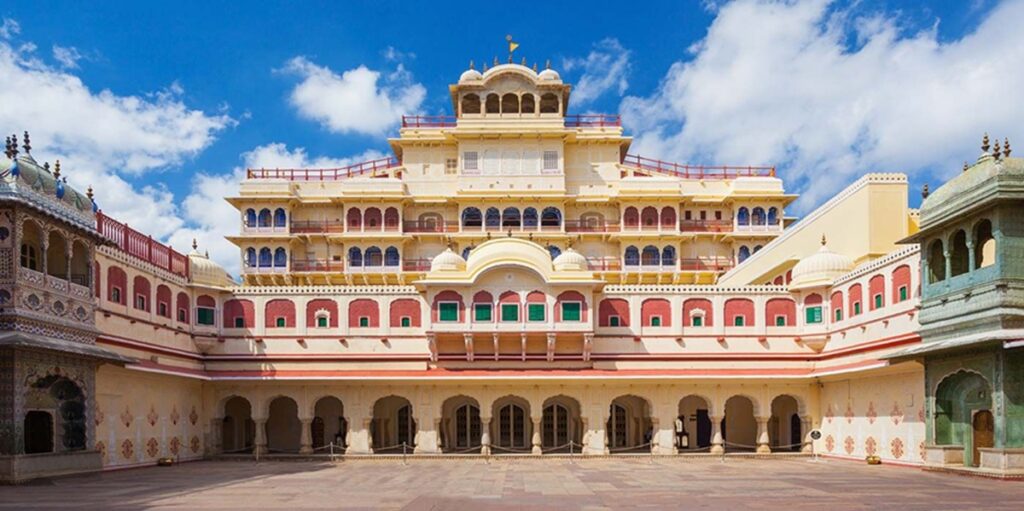
The City Palace of Jaipur is one of the most iconic landmarks in Rajasthan, a masterpiece that blends history, culture, and royal grandeur. Built by Maharaja Sawai Jai Singh II in the early 18th century, this palace complex has been the residence of the royal family of Jaipur for centuries. While many tourists visit the palace to admire its courtyards, gates, and museums, few are aware of the fascinating stories and facts hidden within its walls.
This guide reveals the top 7 facts about the City Palace Jaipur you didn’t know—from its secret doors and rare artifacts to architectural wonders and ongoing royal traditions.
1. The City Palace is Still Home to Jaipur’s Royal Family
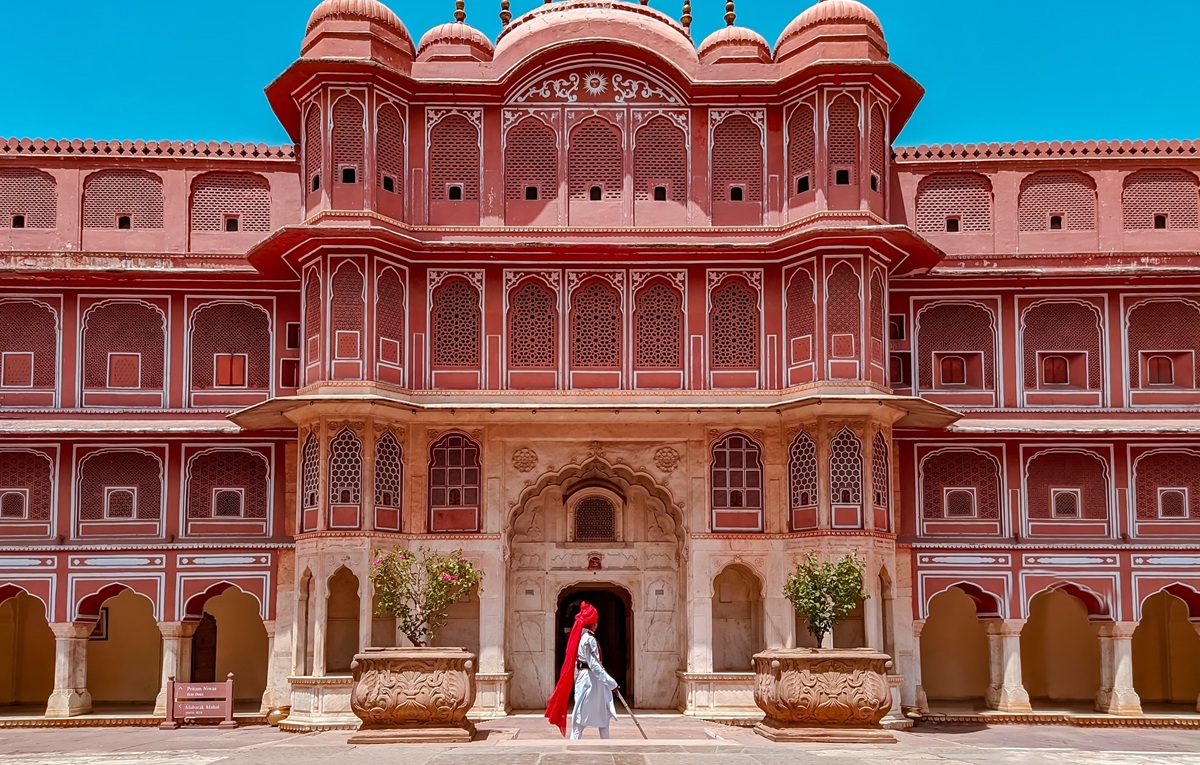
One of the most surprising facts is that the City Palace is not just a museum; it remains the official residence of the royal family of Jaipur.
- The palace is divided into public areas, which tourists can explore, and private quarters where the family lives.
- The Chandra Mahal—a seven-storied building within the palace complex—serves as the main residence.
- The first two floors of Chandra Mahal are accessible to visitors, while the rest are private.
This makes the City Palace one of the few royal palaces in India still inhabited by descendants of the original rulers. The current head of the royal family, Maharaja Padmanabh Singh, occasionally hosts state events and private gatherings here, continuing the centuries-old legacy.
Why it matters: When you walk through the palace, you are not just visiting a historical monument, but also stepping into a living royal home that connects Jaipur’s past with its present.
Dive Deeper Into Hawa Mahal Jaipur – History, Entry Fees & Best Photo Spots
2. The Four Stunning Seasonal Gates of Pritam Niwas Chowk
Another unique feature is the four beautifully decorated gates inside the Pritam Niwas Chowk (Courtyard of the Beloved). Each gate represents a different season and Hindu deity, symbolizing Jaipur’s cultural and spiritual depth.
- Peacock Gate (Autumn) – Dedicated to Lord Vishnu, adorned with intricate peacock motifs symbolizing beauty and grace.
- Lotus Gate (Summer) – Dedicated to Lord Shiva and Goddess Parvati, featuring lotus patterns that signify purity.
- Leheriya Gate (Spring) – Known for its green color and wave designs, associated with Lord Ganesha.
- Rose Gate (Winter) – Decorated with rose motifs, dedicated to Goddess Devi, representing energy and strength.
These gates are among the most photographed spots in Jaipur. Each tells a story of Rajasthan’s devotion to art, religion, and nature.
Why it matters: Beyond being picture-perfect, these gates reveal the symbolism and spirituality embedded in royal architecture.
Check the Complete Itinerary Details: Jaipur, Udaipur & Chittorgarh Tour – 5 Days Trip
3. The World’s Largest Silver Urns Are Kept Here
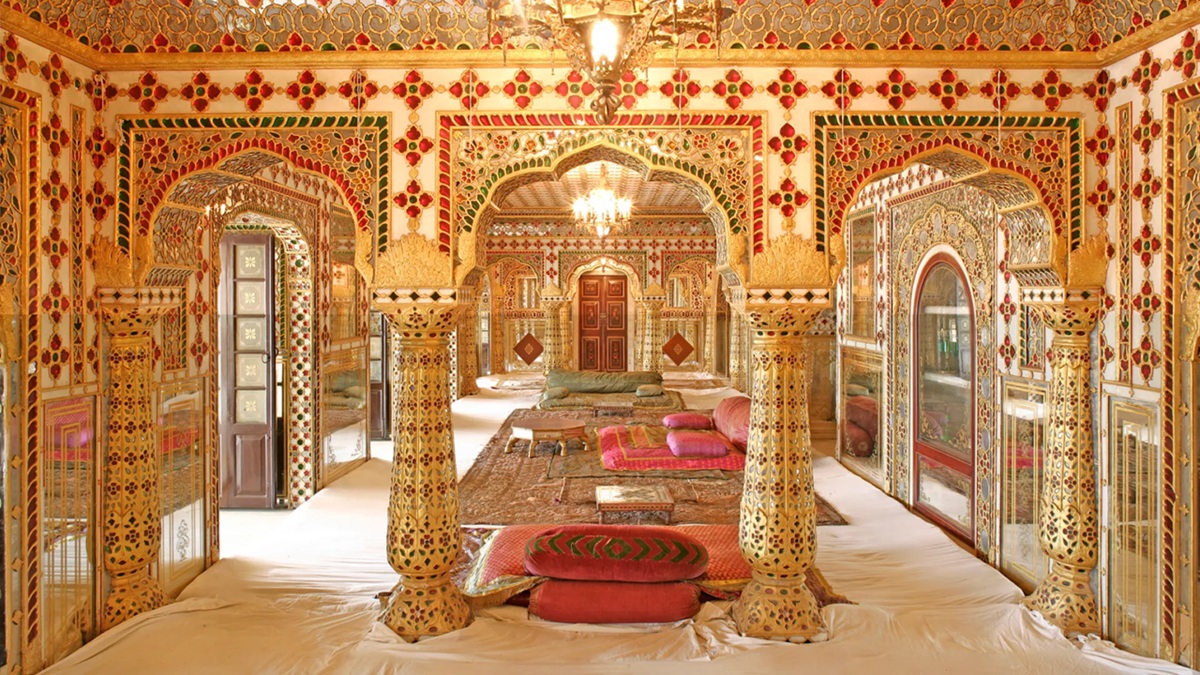
Inside the Diwan-i-Khas (Hall of Private Audience), the City Palace houses two massive silver vessels known as Gangajalis.
- Each urn is about 5 feet tall and weighs over 340 kilograms.
- They are made of pure silver and hold a capacity of around 4000 liters each.
- According to records, they are the largest silver objects in the world, certified by the Guinness Book of Records.
These urns were commissioned by Maharaja Sawai Madho Singh II in 1901. When he traveled to England for King Edward VII’s coronation, he carried holy Ganga water in these vessels to ensure he did not have to drink foreign water.
Why it matters: The urns symbolize the fusion of faith and royalty, showing how rulers balanced tradition with global diplomacy.
Expand Your Knowledge on Best Things to Do in Jaipur with Kids – Family Fun Guide
4. Blend of Rajput, Mughal, and European Architecture
At first glance, the City Palace may look like a purely Rajput fort, but its design is a fusion of multiple architectural styles.
- Rajput Style – Domes, jharokhas (overhanging balconies), and courtyards reflect local traditions.
- Mughal Influence – Arched gateways, gardens, and ornate decorations add grandeur.
- European Touch – Interiors show traces of Renaissance and Victorian designs, especially in glasswork and chandeliers.
The palace was designed by Vidyadhar Bhattacharya, who also helped plan Jaipur city based on Vastu Shastra and Shilpa Shastra. Over the years, successive rulers added new sections, making the palace a layered masterpiece.
Why it matters: The City Palace mirrors the multi-cultural identity of Jaipur, where art and architecture blended across centuries.
See the Full Itinerary for Your Trip: 5 Days Jaipur & Ranthambore Safari Itinerary
5. Exclusive Museums with Rare Royal Collections
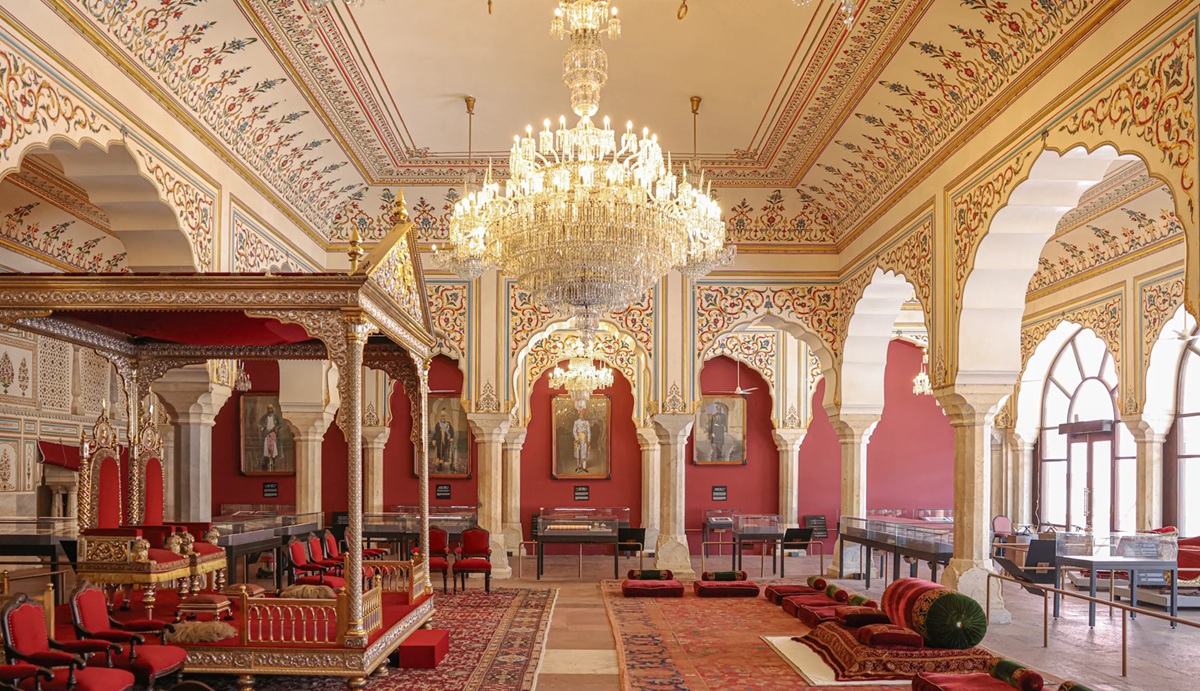
The City Palace is not just about architecture; it is also a treasure house of rare artifacts displayed in its museums.
- Textile Gallery: Features royal costumes, including clothes worn by Maharaja Sawai Madho Singh I, who was known for his massive size. His garments are several feet wide, reflecting his personality.
- Arms and Armory Gallery: Contains weapons ranging from swords and daggers to rifles and shields, many of them decorated with gold, silver, and jewels.
- Art and Manuscript Collection: Houses rare paintings, manuscripts, and royal decrees.
Visitors often overlook these galleries, yet they provide a direct glimpse into the lifestyle, traditions, and craftsmanship of Jaipur’s rulers.
Why it matters: These museums preserve Rajasthan’s cultural memory, helping visitors understand the royal way of life beyond the palace walls.
Explore Also: Moti Dungri Ganesh Temple Jaipur – Festivals & Visitor Guide
6. The Mubarak Mahal Was Built to Welcome Guests
The Mubarak Mahal, or the “Auspicious Palace,” was constructed in the late 19th century by Maharaja Madho Singh II as a reception hall for foreign dignitaries.
- It combines Islamic, Rajput, and European architectural features.
- Today, it houses the textile museum, displaying royal attire, including turbans, shawls, and exquisite block-printed fabrics.
- The grand halls once hosted diplomats and British officials visiting Jaipur.
Why it matters: Mubarak Mahal showcases the royal hospitality of Jaipur, where culture and diplomacy met in elegant settings.
Read Also: Jaipur Monuments – Entry Fees, Timings & Tourist Info
7. The Palace of Ceremonies and Festivals
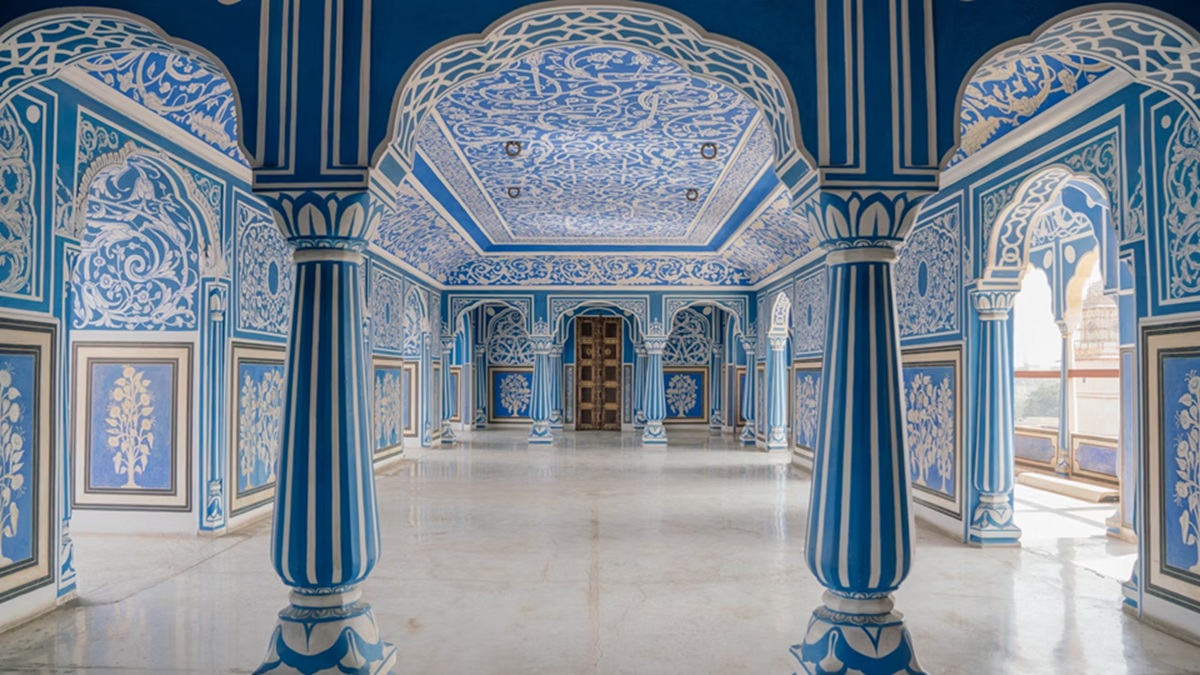
Even today, the City Palace continues to be a center for royal festivals and ceremonies.
- Gangaur Festival – Celebrated with processions and traditional rituals inside the palace.
- Teej Festival – Women in colorful attire gather here for prayers and festivities.
- Private Royal Events – The palace lawns and courtyards are still used by the royal family for weddings, receptions, and state functions.
This living tradition makes the City Palace different from many other historical monuments that function solely as tourist attractions.
Why it matters: The City Palace is not frozen in time—it is a living cultural hub, where age-old traditions blend with modern celebrations.
Explore Day-by-Day Travel Itinerary: 4 Days Jaipur, Ajmer & Pushkar Tour Package
Visitor Information for Jaipur City Palace
To make your visit smoother, here are key details:
- Entry Fee:
- Indians: ₹200 (general), ₹500 (composite ticket)
- Foreigners: ₹700 (general), ₹1000 (composite ticket)
- Children and students often get discounts.
- Timings: Open daily from 9:30 AM to 5:00 PM.
- Best Time to Visit: October to March for pleasant weather.
- Photography: Allowed in most sections, but some galleries may restrict flash photography.
See the Full Itinerary for Your Trip: 5 Days Jaipur & Ranthambore Safari Itinerary
Best Photo Spots in City Palace
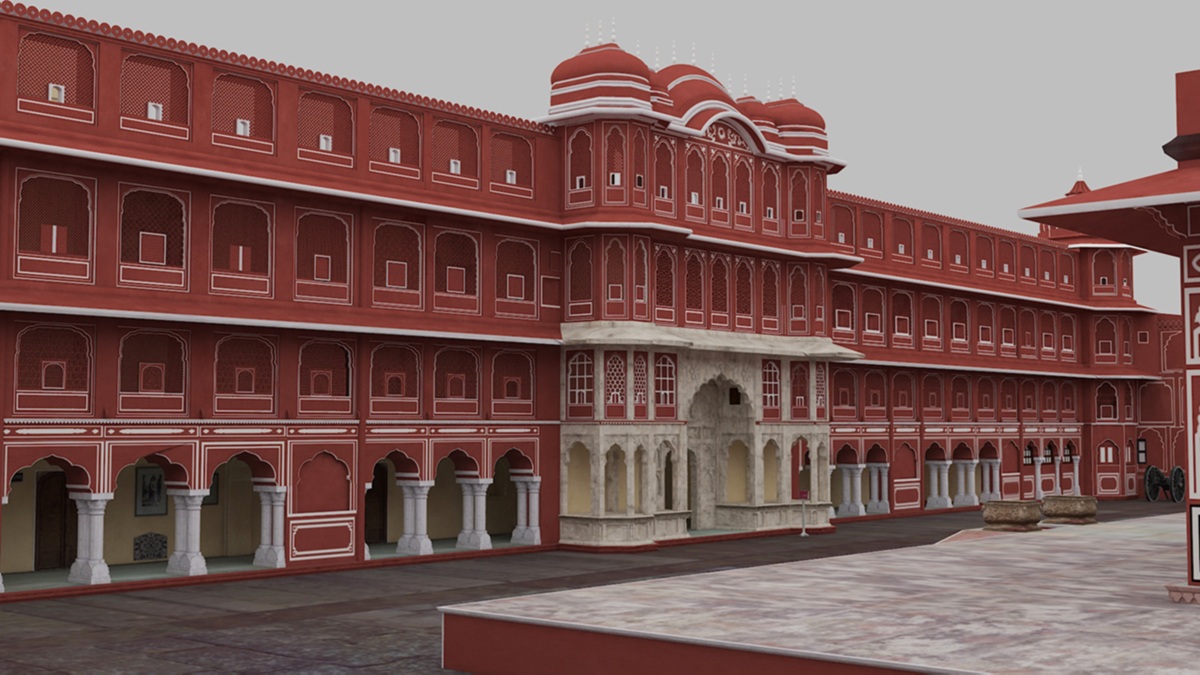
- Peacock Gate at Pritam Niwas Chowk.
- Rose Gate during winter mornings.
- Chandra Mahal with its panoramic view of Jaipur.
- Diwan-i-Khas with silver urns.
- Mubarak Mahal’s courtyard for wide-angle shots.
Explore Also: Your Jaipur Day Trip Awaits—Discover Whether Car or Train is Better!
FAQs
Q. Where is City Palace Jaipur located?
Ans. City Palace is located in the heart of Jaipur’s old city, near the famous Jantar Mantar and Hawa Mahal. Its central location makes it easy to reach by car, rickshaw, or even on foot if you are staying nearby in the Pink City area. The full address is Tulsi Marg, Gangori Bazaar, Jaipur, Rajasthan.
Q. What is the best time to visit City Palace Jaipur?
Ans. The best time to visit is from October to March, when the weather is cooler and perfect for exploring. Visiting early morning (9:30–11:00 AM) ensures smaller crowds and softer light for photography. Evening visits are also special because the palace looks beautiful under the setting sun and lights.
Q. What are the entry fees for City Palace Jaipur?
Ans. The general entry ticket costs around INR 200–300 for Indian visitors and INR 700–1,000 for foreign tourists. There are also special tickets for access to exclusive areas like Chandra Mahal, which may cost INR 2,000–3,000. It is advisable to book online or at the palace counter for the latest rates.
Q. How much time is needed to explore City Palace Jaipur?
Ans. On average, visitors spend 2–3 hours exploring the palace. This includes time for seeing the museums, courtyards, and photo spots like the famous Peacock Gate. If you also book the Chandra Mahal tour, you should plan for at least 4 hours to enjoy everything at a relaxed pace.
Q. What are the must-see attractions inside City Palace Jaipur?
Ans. Highlights include the Peacock Gate at Pritam Niwas Chowk, Diwan-i-Khas with silver urns, Mubarak Mahal, Maharaja Sawai Man Singh II Museum, and Chandra Mahal. The art gallery showcasing royal costumes, weapons, and paintings is also a favorite among history lovers.
Q. Is photography allowed inside City Palace Jaipur?
Ans. Photography is allowed in most areas of the palace. You can take pictures in the courtyards, gates, and museum galleries. Some private sections like Chandra Mahal may require special permission or higher-priced tickets. Using drones is strictly prohibited without prior approval.
Q. Can you hire a guide at City Palace Jaipur?
Ans. Yes, local guides are available at the palace entrance. Guided tours cost around INR 300–500 for small groups and provide detailed insights into the palace’s history, Rajput architecture, and royal traditions. Audio guides are also available for those who prefer self-paced exploration.
Q. Is City Palace Jaipur accessible for people with disabilities?
Ans. Parts of the palace are wheelchair accessible, especially the main courtyards and galleries. However, some upper sections and older staircases are difficult to access. It is advisable to inform the staff in advance for assistance, as they often help visitors with mobility needs.
Q. What are the opening hours of City Palace Jaipur?
Ans. City Palace is open daily from 9:30 AM to 5:00 PM for general visitors. Some areas like Chandra Mahal and night tours may have different timings. Night tours usually run between 7:00 PM and 10:00 PM on select days, offering a unique experience.
Q. Are there restaurants or cafes inside City Palace Jaipur?
Ans. Yes, there are cafes inside the palace complex. Baradari Restaurant offers a royal dining experience with Rajasthani and North Indian dishes. There are also small cafes where you can enjoy snacks and drinks during your visit.
Q. Can you attend cultural events at City Palace Jaipur?
Ans. Yes, City Palace often hosts cultural events, including folk dance performances, exhibitions, and royal celebrations. Some festivals like Holi and Diwali are celebrated with special events open to ticket holders. Checking the official palace website before your trip helps you plan better.
Q. How to reach City Palace Jaipur?
Ans. City Palace is around 12 km from Jaipur International Airport and 4 km from Jaipur Railway Station. You can hire a taxi, auto-rickshaw, or use app-based cabs. Public buses also connect the palace with major city points. Most tourists prefer staying in hotels within the old city to walk to the palace easily.
Conclusion
The City Palace of Jaipur is more than just a royal residence; it is a living testimony to Rajasthan’s grandeur, faith, and traditions. By learning these 7 hidden facts, visitors can appreciate the palace beyond its beauty—understanding its history, symbolism, and living heritage.
So, next time you explore Jaipur, remember that every gate, gallery, and courtyard of the City Palace has a story waiting to be discovered.
Continue Your Journey for visit Jaipur:
- Discover for Shopping Tripolia Bazaar Jaipur – Famous for Crafts & Bangles
- Must Visit Sisodia Rani Garden Jaipur – Heritage Murals & Travel Guide
- Continue Exploring Raj Mandir Cinema Jaipur – Iconic Theater & Ticket Info
- Galtaji Monkey Temple Jaipur – Timings & Visitor Guide
- Birla Mandir Jaipur – Marble Temple & Best Time to Visit
- Patrika Gate Jaipur – Instagram Spot & Visiting Hours
- Chokhi Dhani Jaipur – Cultural Village Shows & Food
- Govind Devji Temple Jaipur – Darshan Timings & Significance
- Jaipur to Ranthambore Travel Guide – Best Routes & Tips
- Famous Temples in Jaipur – Top Spiritual Places to Visit
- Best Things to Do in Jaipur with Kids – Family Fun Guide
- Jaipur Monuments – Entry Fees, Timings & Tourist Info
- Cooking Classes in Jaipur – Learn Authentic Rajasthani Cuisine
- Jaipur Literature Festival 2025 – Venue, Dates & Highlights
- Hawa Mahal Jaipur – History, Entry Fees & Best Photo Spots
- Bapu Bazaar Jaipur – Shopping Guide, Things to Buy & Tips
- Johari Bazaar Jaipur – Jewelry Market, Gold Shops & Timings
- Chokhi Dhani Jaipur – Village Experience & Booking Tips
- For More Information Moti Dungri Ganesh Temple Jaipur
- Experience History: Tour Delhi to Neemrana Fort Now!
- Take a One-Day Trip from Delhi to Jaipur by Train – Book Your Journey Today!