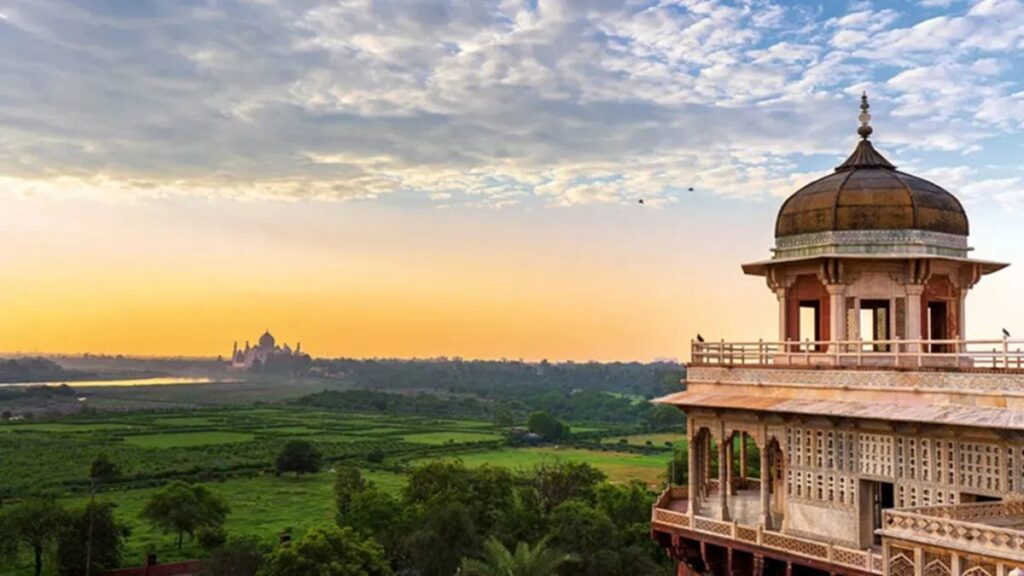
North India is like a living museum. In one region, you can see marble palaces, red-stone forts, quiet temples, and sacred rivers. These places are not only old—they are full of stories kids can understand and enjoy. Families can walk through gates where kings once rode, watch evening prayers by the river, and taste local snacks right outside famous monuments.
This guide brings you the top historical places in North India to visit with family. Each section explains what to see, why it matters, and how to plan. You’ll find simple tips, how to reach, timings and entry basics, and nearby attractions. Keep the pace easy, carry water, and let each site tell its tale. Ready to time-travel together?
1. Taj Mahal, Agra (Uttar Pradesh)
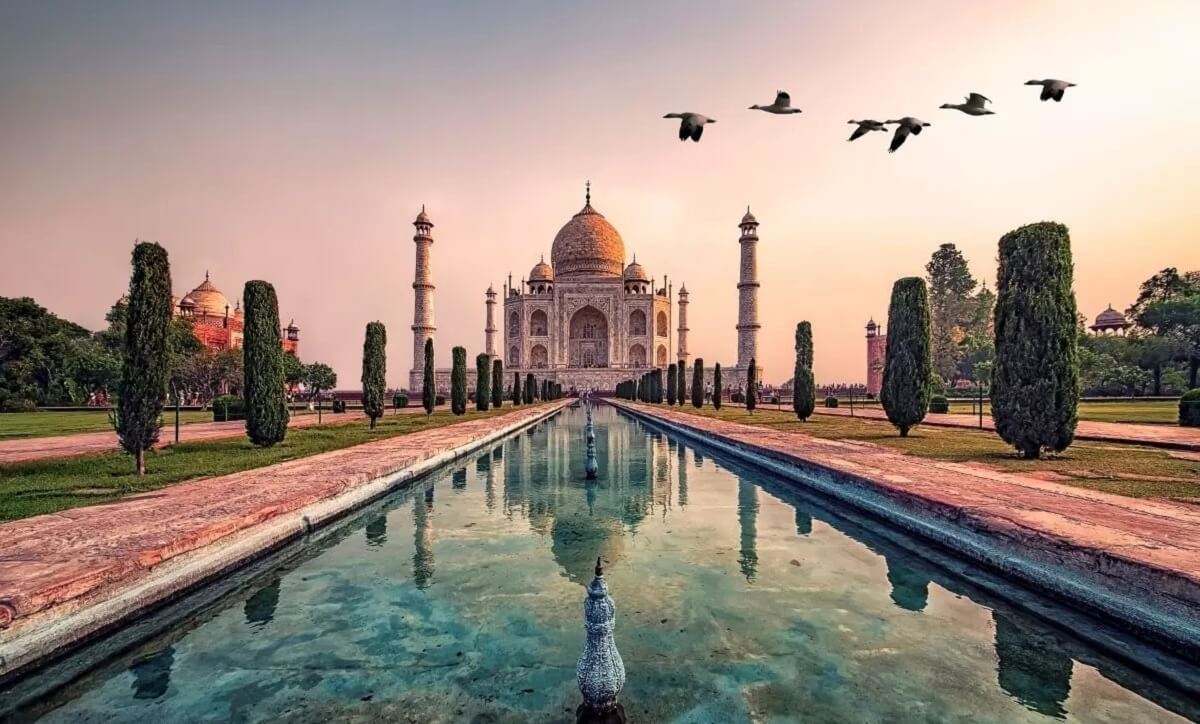
Why it’s special: The Taj Mahal is one of the Seven Wonders of the World. Emperor Shah Jahan built it in the 1600s in memory of his wife, Mumtaz Mahal. The white marble shines differently at sunrise and sunset, which kids find magical.
What to see: The main mausoleum, the reflecting pools, the huge gateway, and the elegant minarets. Look for marble inlay designs called “pietra dura” made with colorful stones. The riverside view from Mehtab Bagh, across the Yamuna, is great for family photos.
Family-friendly tip: Arrive early to avoid heat and crowds. Keep small snacks and water handy. Strollers are allowed in outer areas but can be tricky on steps.
How to reach: Agra is well connected by train (Gatimaan/Shatabdi from Delhi) and by road via the Yamuna Expressway (about 3–4 hours from Delhi). The nearest airport is Agra (limited flights) or Delhi’s IGI Airport (then drive/train).
Timings & entry: Open from sunrise to sunset; closed on Fridays for public prayers at the mosque. Entry tickets are required (different prices for Indians, foreign nationals, and sometimes free/discounted for children). Expect a separate fee to enter the main mausoleum platform. Always check the official site or ASI updates before you go.
Nearby for families: Agra Fort (15 minutes away), Mehtab Bagh (for sunset), and Fatehpur Sikri (about an hour’s drive). Try Agra’s famous petha (a sweet) and bedai-poori for breakfast.
Good to know: Security is strict—avoid carrying big bags. Shoes must be removed or covered with shoe covers when entering certain areas. Complete Guide to Planning a Family Trip to India
2. Red Fort, Delhi
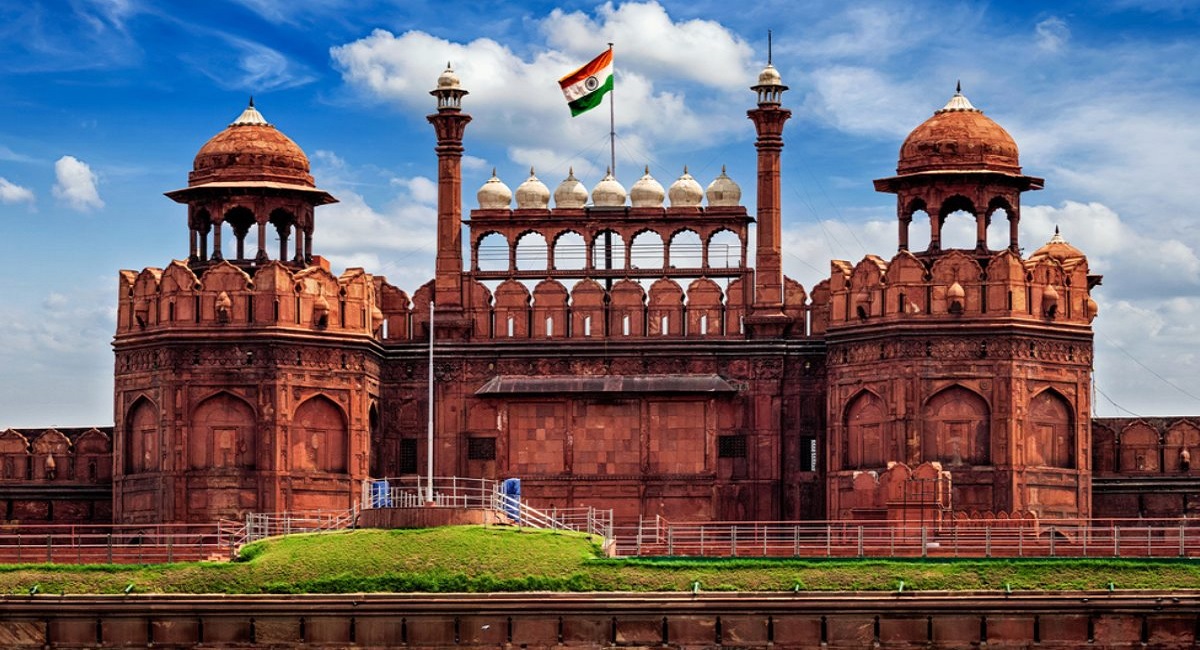
Why it’s special: Built by Shah Jahan in the 17th century, the Red Fort (Lal Qila) is where the Prime Minister hoists the national flag every Independence Day. Its red sandstone walls and huge gates make kids feel like they’re walking into a history movie.
What to see: Lahori Gate, Diwan-i-Aam (Hall of Public Audience), Diwan-i-Khas (Hall of Private Audience), the royal baths, and the museum galleries. The evening light-and-sound show (subject to schedule) tells the fort’s story in a fun way for families.
Family-friendly tip: Bring a hat and sunscreen. The complex is large, so pace yourselves and take breaks in shaded spots. Audio guides help keep children engaged.
How to reach: Located in Old Delhi. Nearest Metro: Lal Qila (Violet Line) or Chandni Chowk (Yellow Line, then e-rickshaw). Cabs and rideshares are easy.
Timings & entry: Generally open during the day; often closed on Mondays and on major security days. Entry fee applies; separate charges may apply for museums and the evening show. Check the official website or ASI notices for timing and ticket updates.
Nearby for families: Chandni Chowk for jalebi and paratha, Jama Masjid, and Raj Ghat. Consider a cycle-rickshaw ride in the lanes for a safe, slow look at Old Delhi life.
Good to know: Security checks are standard. Carry light and keep hands free for kids. Best Places to Visit in India in January with Family
3. Qutub Minar, Delhi
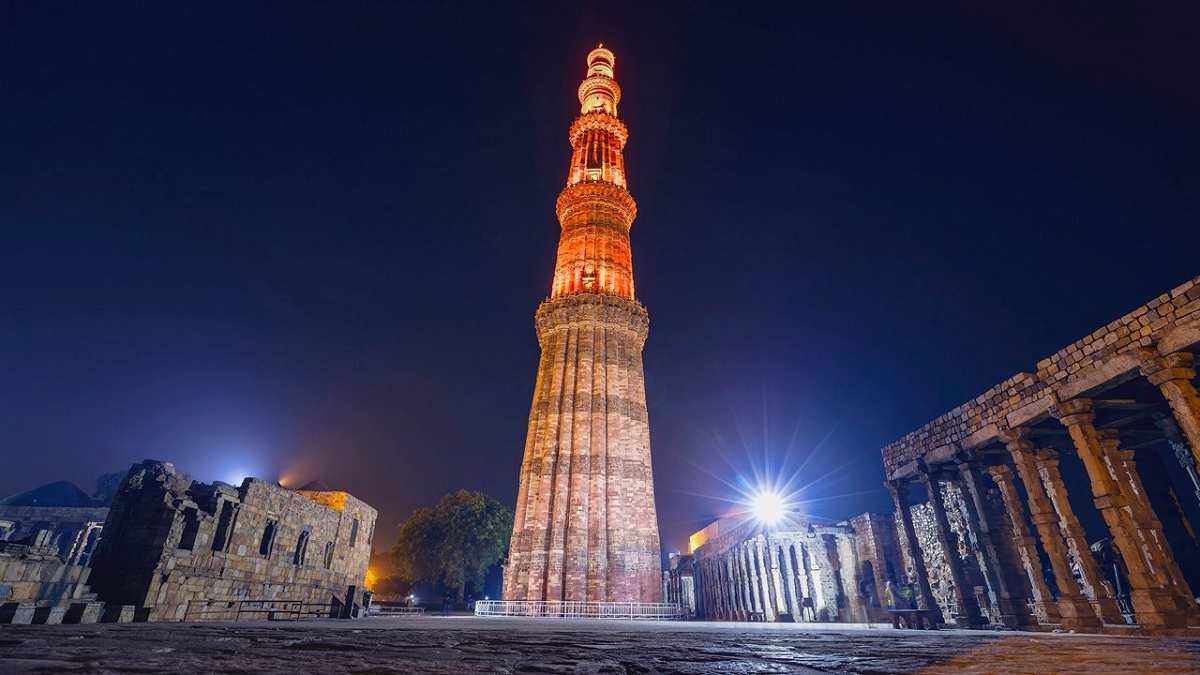
Why it’s special: Qutub Minar is a soaring brick-and-stone tower built in the early 1200s. It marks the start of Delhi Sultanate rule. Its detailed carvings and bands of calligraphy fascinate young visitors.
What to see: The Qutub Minar itself, the Quwwat-ul-Islam Mosque, the Iron Pillar (famous for its resistance to rust), Alai Darwaza, and the scattered ruins that make the complex feel like an open-air classroom.
Family-friendly tip: Kids enjoy spotting patterns and animals in the stonework. Bring binoculars for a closer look at carvings high up on the tower.
How to reach: Nearest Metro: Qutub Minar (Yellow Line). Taxis, buses, and rideshares are common. It’s a short drive from Mehrauli Archaeological Park, which you can pair for a half-day outing.
Timings & entry: Open during daylight hours. Entry tickets required. Some areas may have restricted access. Expect lines on weekends and holidays.
Nearby for families: Mehrauli Archaeological Park (more ruins and gardens), Garden of Five Senses, and cafes in Saket.
Good to know: Fences protect delicate zones. Please respect barriers and do not climb on ruins. Family Trip to Kashmir 2025: Essential Travel Tips
4. Humayun’s Tomb, Delhi
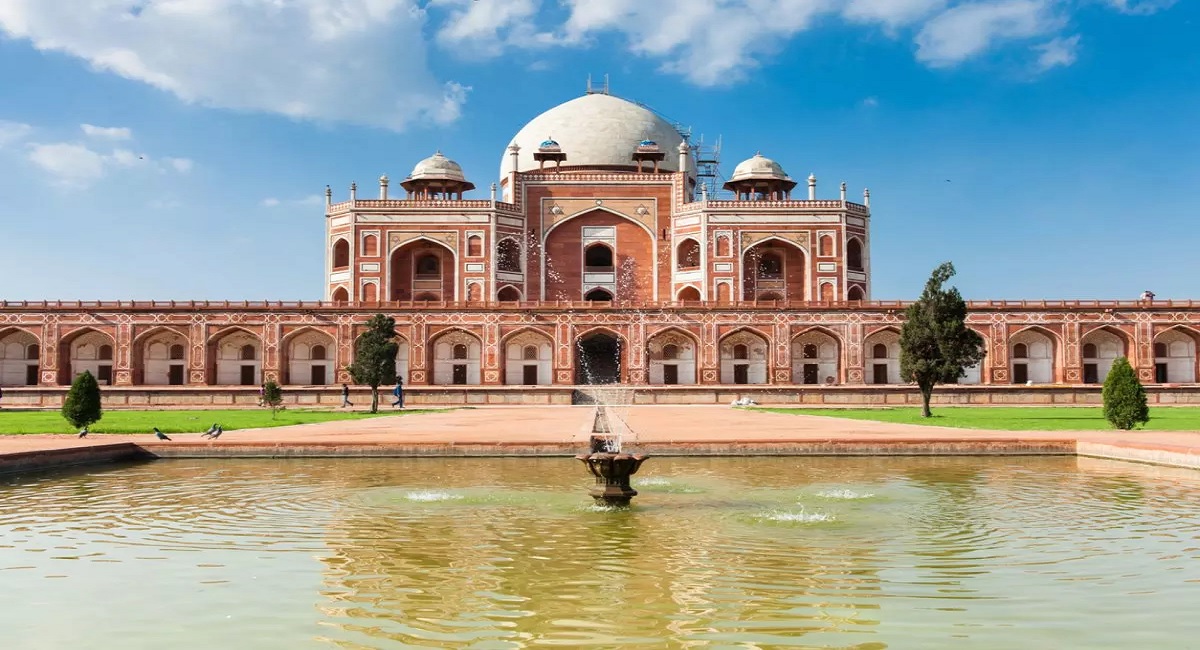
Why it’s special: Humayun’s Tomb (16th century) is a UNESCO World Heritage Site and a great example of Mughal garden-tomb design. Its symmetry and water channels later inspired the Taj Mahal.
What to see: The main tomb with its red sandstone and white marble, the charbagh (four-part) garden, Isa Khan’s Tomb, and smaller pavilions. The site feels calm and green—perfect for families who want space to walk.
Family-friendly tip: Bring a simple “spot the shape” game for kids—arches, stars, and geometric patterns are everywhere.
How to reach: Located near Nizamuddin. Nearest stations: JLN Stadium (Violet Line) or Jangpura. Auto-rickshaws and cabs are quick. Pair with Nizamuddin Dargah (for qawwali evenings) or Sunder Nursery (a landscaped heritage park) just next door.
Timings & entry: Open during daylight. Entry fee applies for adults; children often have reduced or free entry (confirm beforehand). Photography is allowed in most outdoor areas.
Nearby for families: Sunder Nursery (play lawns, heritage monuments), Lodhi Garden, and the crafts museum at Pragati Maidan.
Good to know: Carry drinking water and sun protection. The paths are stroller-friendly compared to many other sites.
5. Fatehpur Sikri, Uttar Pradesh
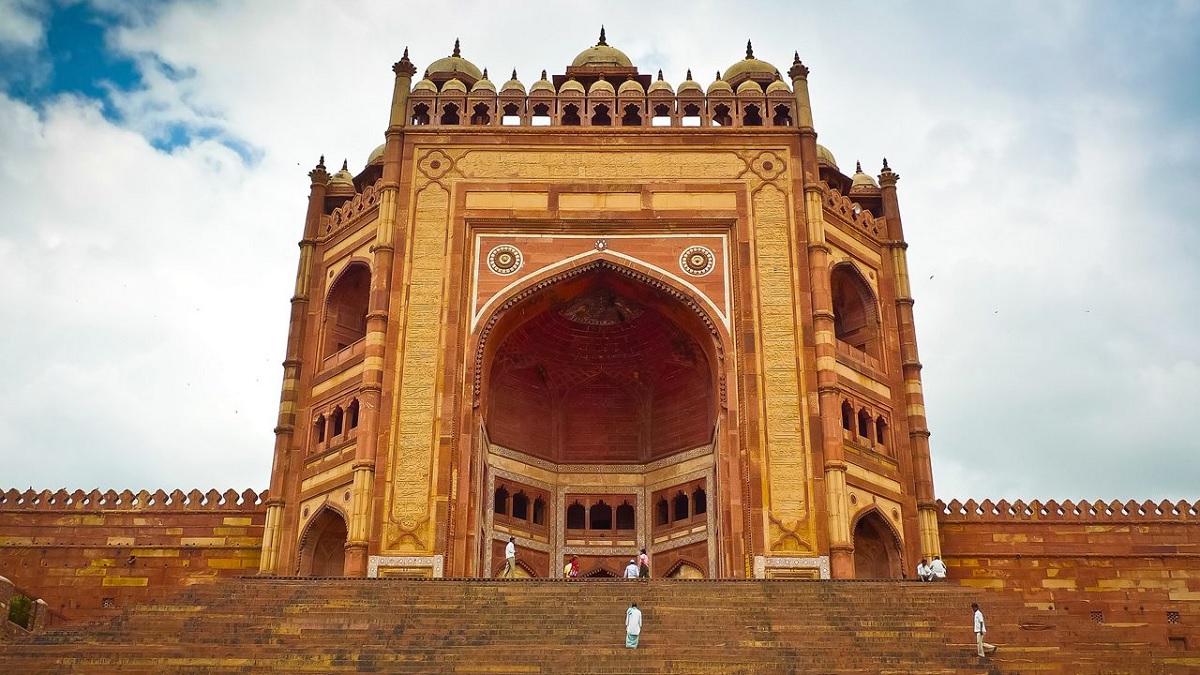
Why it’s special: Fatehpur Sikri was Emperor Akbar’s capital in the late 1500s. It was lived in for only about 14 years, which is why it feels like a frozen city—grand but quiet.
What to see: Buland Darwaza (the giant gateway), the Jama Masjid, Diwan-i-Khas, Panch Mahal, Jodha Bai’s Palace, and the tomb of Salim Chishti. The red sandstone glows at sunset.
Family-friendly tip: The complex is spread out; wear comfortable shoes. Bring a small notebook for kids to sketch gateways and pillars.
How to reach: About 1 hour from Agra by road. Trains stop at Fatehpur Sikri station, but most families prefer a cab from Agra.
Timings & entry: Open from morning to evening. The mosque area is active with worship; dress modestly and remove shoes where requested. Entry tickets apply for the palace complex; local guides are available at the gate.
Nearby for families: Keetham Lake (Sur Sarovar Bird Sanctuary) on the Agra–Fatehpur route, and Agra Fort.
Good to know: Vendors may follow tourists near the dargah; be polite but firm. Keep small change for shoe-keepers and local services.
6. Agra Fort, Uttar Pradesh
Why it’s special: Agra Fort was the main seat of the Mughal Empire before Delhi. Built mainly by Akbar and later modified by Shah Jahan, it is a mix of power and beauty. From its walls, you can see the Taj Mahal across the river on clear days. Top Attractions to See in Golden Triangle India Route
What to see: Amar Singh Gate, Jahangiri Mahal, Diwan-i-Aam, the elegant Khas Mahal, and Sheesh Mahal (mirror work areas may be restricted). Kids love the cannons and thick fort walls.
Family-friendly tip: Visit in the morning before the sun gets strong. The inner courtyards are shady and good for rests.
How to reach: 15–20 minutes from the Taj Mahal area by auto, cab, or e-rickshaw. Easy by road or train within Agra city.
Timings & entry: Open during daylight hours; entry fee applies. Combo tickets or discounts for children may be available—check the counter or official sources.
Nearby for families: Taj Mahal, Mehtab Bagh, and tasty local chaat at Sadar Bazaar in the evening.
Good to know: Surfaces can be uneven; hold hands with younger kids on steps. Best Time to Visit Uttarakhand for a Family Holiday
7. Varanasi Ghats & Sarnath, Uttar Pradesh
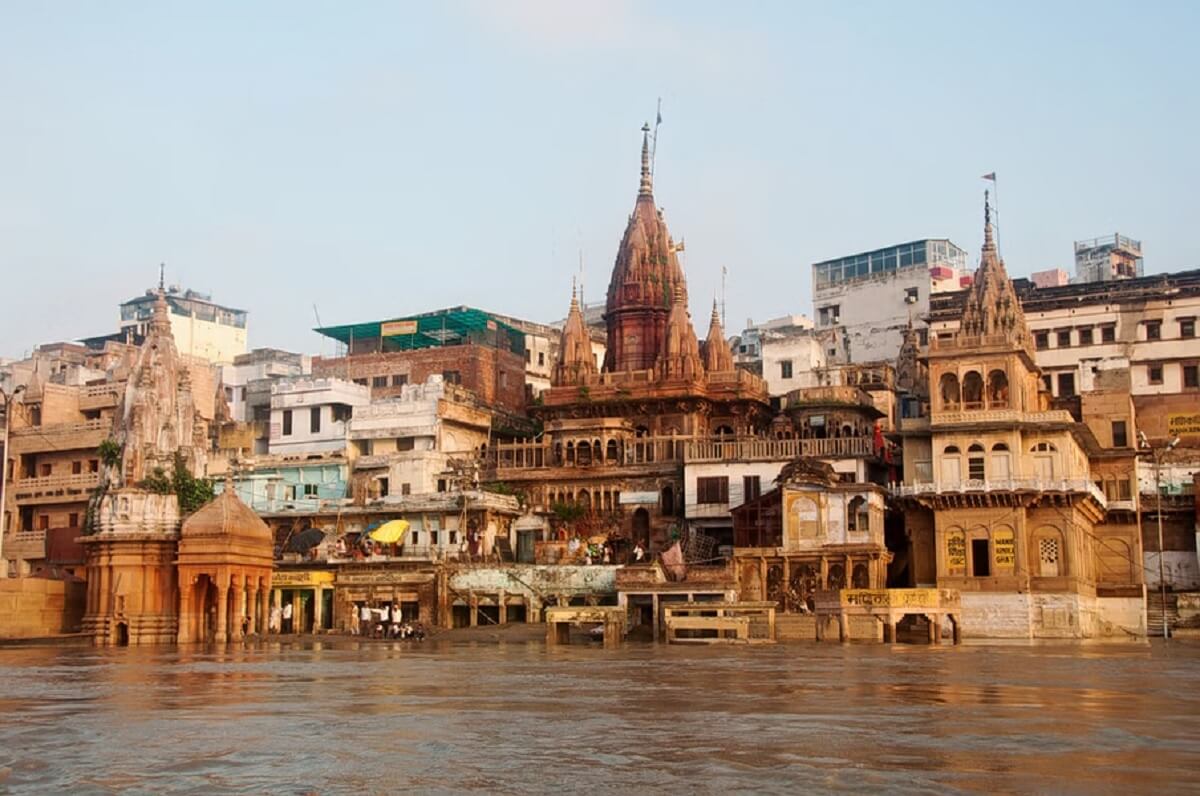
Why it’s special: Varanasi is one of the world’s oldest living cities. Its riverfront steps (ghats) show daily life—prayers, boats, music, and lights. Nearby Sarnath is where the Buddha gave his first sermon. Together, they offer both energy and calm.
What to see: Sunrise boat ride on the Ganga (Ganges), evening Ganga Aarti at Dashashwamedh Ghat, narrow lanes of the old city, and Sarnath’s Dhamek Stupa and museum.
Family-friendly tip: Choose a safe, life-jacket-equipped boat for kids. Keep the evening Aarti viewing short and stay at the edges to avoid crowds.
How to reach: Varanasi has an airport with connections to major cities, plus strong rail links. Sarnath is about 10 km away by cab or auto.
Timings & entry: Ghats are open all day; best times are sunrise and sunset. Sarnath archaeological site and museum have fixed hours and entry tickets.
Nearby for families: Weaver villages (Banarasi silk), simple vegetarian meals at clean eateries, and sweet lassi shops.
Good to know: The old city lanes are narrow—keep valuables safe and walk in a single file with kids. Fun Family Adventures in Manali for All Ages
8. Gwalior Fort, Madhya Pradesh
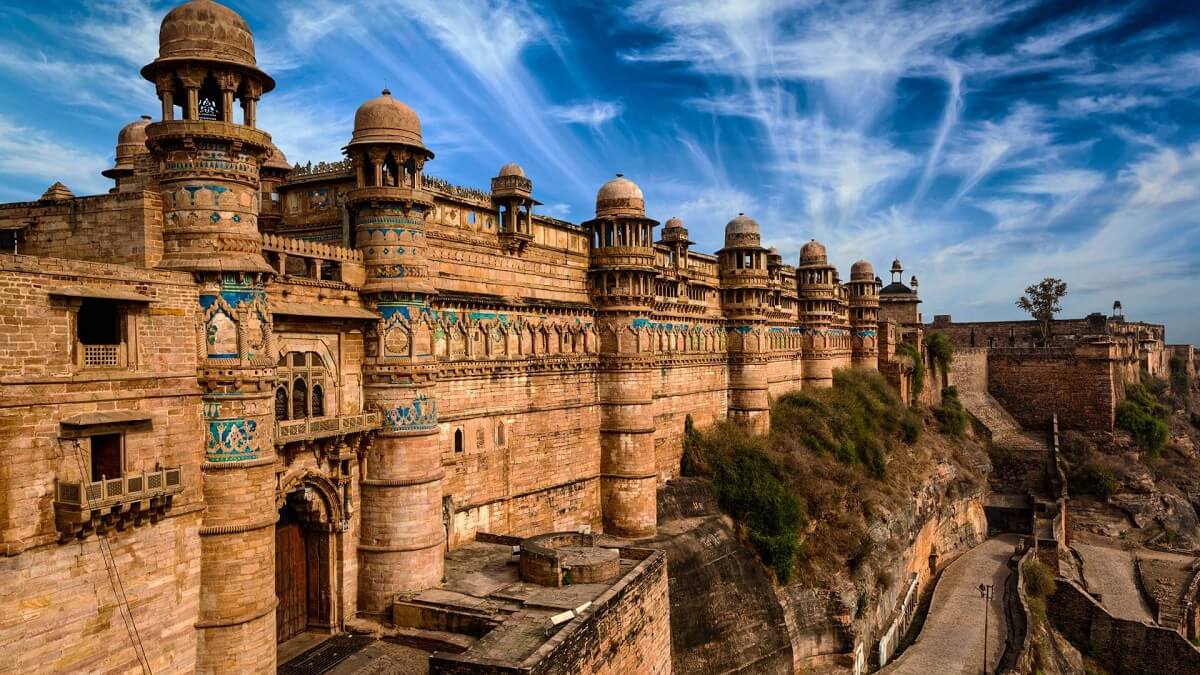
Why it’s special: Perched on a steep sandstone hill, Gwalior Fort has stood for over a thousand years. It has seen Rajputs, Mughals, Marathas, and the Scindias. The Man Singh Palace is decorated with bright blue tile bands featuring ducks, lions, and tigers—fun details for children to spot. Plan a Tranquil Escape – See Bhopal’s Famous Lakes Today!
What to see: Man Singh Palace, Gujari Mahal (now a museum), Sas-Bahu Temples, Teli ka Mandir, and the fort walls with city views. The evening sound-and-light show (subject to schedule) adds drama to the history.
Family-friendly tip: Take the vehicle route up to save energy with kids. Carry water; it can be sunny and windy on the ramparts.
How to reach: Gwalior has an airport and a major railway station on the Delhi–Jhansi–Bhopal route. Autos and cabs take you up to the fort gates.
Timings & entry: Generally open from morning to evening; entry fee applies for the palaces and museums. Some temples are free to visit but respect local customs.
Nearby for families: Jai Vilas Palace Museum (royal collections), street snacks like kachori and poha-jalebi in the morning.
Good to know: Surfaces are uneven; wear shoes with good grip. Top Family-Friendly Beach Resorts in South India
9. Mehrangarh Fort, Jodhpur (Rajasthan)
Why it’s special: Rising from a rocky hill, Mehrangarh Fort is one of India’s best-preserved forts. The museum is excellent, and the views of Jodhpur’s blue houses are stunning.
What to see: Grand gates with cannonball marks, palaces like Moti Mahal and Phool Mahal, the museum’s weapons, palanquins, and costumes, plus the ramparts with old cannons. The zipline (subject to age/weight rules) is an exciting add-on for older kids.
Family-friendly tip: Take the elevator up (ticketed) and walk down slowly, exploring at your pace. Audio guides are engaging and well produced.
How to reach: Jodhpur has an airport and railway station. The fort is a short drive from the old city. Combine with Jaswant Thada (a marble cenotaph) and the stepwell Toorji Ka Jhalra.
Timings & entry: Open daily during the day; entry tickets required for the museum and elevator. Special activities and music events are sometimes held—check ahead.
Nearby for families: Sadar Market near the clock tower for handicrafts and lassi, and Mandore Garden.
Good to know: Parts of the fort are steep. Hold hands on slopes and steps.
10. City Palace, Jaipur (Rajasthan)
Why it’s special: The City Palace in Jaipur blends Mughal and Rajput styles. It still houses the royal family. Painted doorways, courtyards, and museums make it fun for children who like colors and stories.
What to see: Mubarak Mahal (textiles), Sabha Niwas (Diwan-i-Khas), the Peacock Gate in Pritam Niwas Chowk, and the armory. The complex connects well with Jantar Mantar and Hawa Mahal nearby.
Family-friendly tip: Start early, then break for lassi or lemonade in the old city. Keep a simple scavenger hunt: “Find the peacock, find the tiny door, find the sun symbol.”
How to reach: Jaipur is well connected by air, train, and road from Delhi. The palace is in the Pink City; autos and e-rickshaws are ideal.
Timings & entry: Open during the day with ticket options (courtyard/museum, royal rooms on special tickets). Fees vary; check the official site for latest packages, student discounts, and photography rules.
Nearby for families: Jantar Mantar (astronomy instruments kids can see), Hawa Mahal (wind palace facade), and LMB for traditional sweets.
Good to know: Weekends can be crowded. Keep small bills for quick water and snack purchases. Best Family Resorts in Rajasthan with Fun Activities
11. Amber (Amer) Fort, Jaipur (Rajasthan)
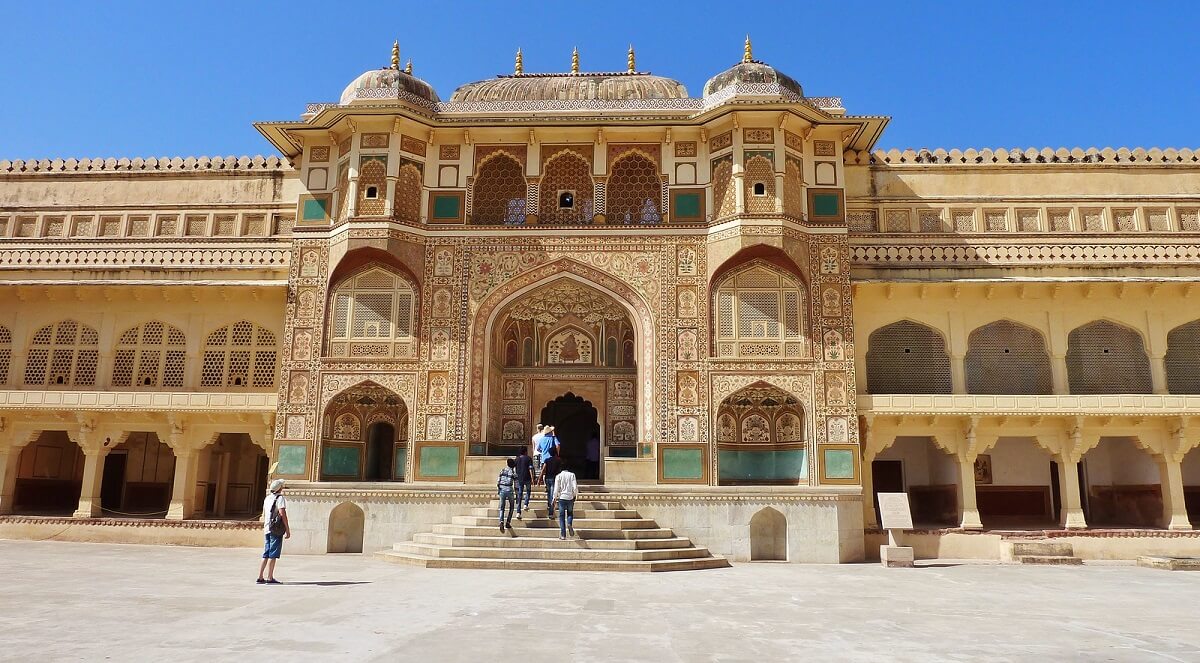
Why it’s special: Amber Fort is a classic Rajput hill fort with courtyards, tunnels, and mirror work. Families love its maze-like paths and views over Maota Lake.
What to see: Suraj Pol (sun gate), Diwan-i-Aam, Ganesh Pol with colorful frescoes, Sheesh Mahal (mirror palace), and Jaigarh Fort connected above by passages.
Family-friendly tip: Skip the steep climb by taking a jeep or electric vehicle up (ticketed). Carry caps and water; the sun can be strong even in winter.
How to reach: About 11 km from Jaipur city center. Autos/cabs take 20–30 minutes. Combine with Nahargarh or Jaigarh for a fort day.
Timings & entry: Open during the day; ticketed entry. Evening light-and-sound shows are often held. Elephant rides operate but consider ethical concerns; many families now choose jeeps instead.
Nearby for families: Panna Meena ka Kund (stepwell) for photos, and local shops for block-print textiles.
Good to know: The polished floors inside halls can be slippery—walk, don’t run. Top 10 Fun Family Activities in Jaipur
12. Jaisalmer Fort, Rajasthan
Why it’s special: Unlike most forts, Jaisalmer Fort is a living fort with homes, temples, and shops inside its walls. The golden sandstone glows like honey at sunset.
What to see: Fort gates and ramparts, Jain temples with fine carvings, royal palace museum, and viewpoints over the desert city. Narrow lanes are full of crafts and snacks.
Family-friendly tip: Visit early morning for cooler weather. Keep children close in the lanes and watch for two-wheelers.
How to reach: Jaisalmer is connected by train and flights (often via Jodhpur/Jaipur). Autos and walking are best inside the fort; cars are restricted.
Timings & entry: The fort is open to walk at most hours, but palace and temple sections have set times and entry tickets. Dress modestly for temples.
Nearby for families: Sunset at Gadisar Lake, evening folk music, and short, ethical desert experiences in the Sam–Khuri region (check for responsible operators).
Good to know: Bring cash for small purchases; network can be patchy inside the fort.
13. Junagarh Fort, Bikaner (Rajasthan)
Why it’s special: Junagarh fort is unique because it’s not on a hill; yet it’s strong and beautiful. The interiors—red, gold, mirrors, and painted ceilings—are like a storybook.
What to see: Anup Mahal (ornate hall), Badal Mahal (cloud room with blue paintings), Phool Mahal, the armory, and old royal transport. The museum is compact and family-friendly.
Family-friendly tip: Guided tours move at a good pace and share child-friendly stories. Carry water and wear light cotton clothing.
How to reach: Bikaner is connected by train and road; the nearest major airport is in Jaipur or Jodhpur. Local autos are easy for short hops.
Timings & entry: Open during the day; entry tickets apply. Photography rules vary by hall—watch for signs.
Nearby for families: Old city havelis with carved facades, Bhujia (the city’s famous snack), and the Ganga Government Museum.
Good to know: Desert air is dry—use lip balm and sunscreen, even in winter.
14. Khajuraho Temples, Madhya Pradesh
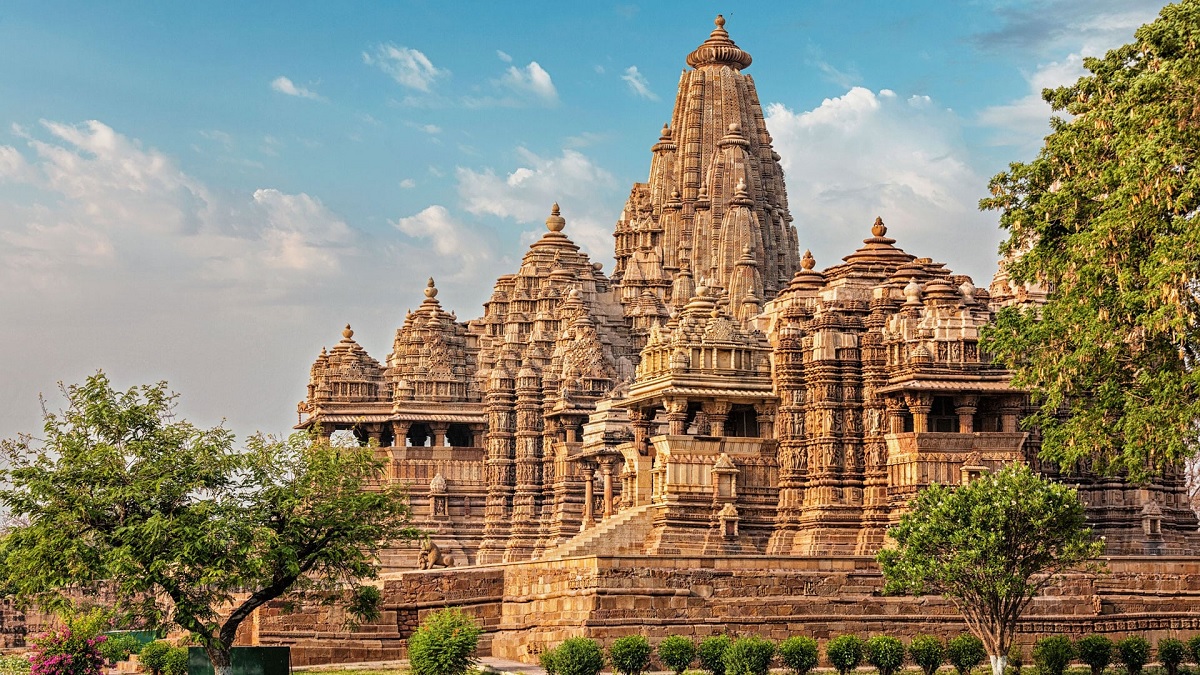
Why it’s special: The Khajuraho group of temples (10th–12th centuries) is a UNESCO site known for detailed carvings. The sculptures show gods, dancers, musicians, animals, and scenes from daily life.
What to see: Western Group (largest and most impressive), especially Kandariya Mahadeva Temple; then the Eastern and Southern groups if time permits. The evening light-and-sound show explains history in simple language.
Family-friendly tip: Focus on the “story” carvings—musicians, elephants, and processions. Keep the visit relaxed and positive; choose age-appropriate explanations.
How to reach: Khajuraho has a small airport with limited flights and a railway station. Taxis and cycles are common for local travel.
Timings & entry: Open from sunrise to sunset; entry ticket required for the Western Group. Children often have discounted or free entry (confirm locally). The museum has separate timings and tickets.
Nearby for families: Raneh Falls Canyon (in season), Ajaigarh or Kalinjar forts for a day trip.
Good to know: Winters are pleasant; summers can be very hot. Carry a hat and water.
15. Golden Temple & Jallianwala Bagh, Amritsar (Punjab)
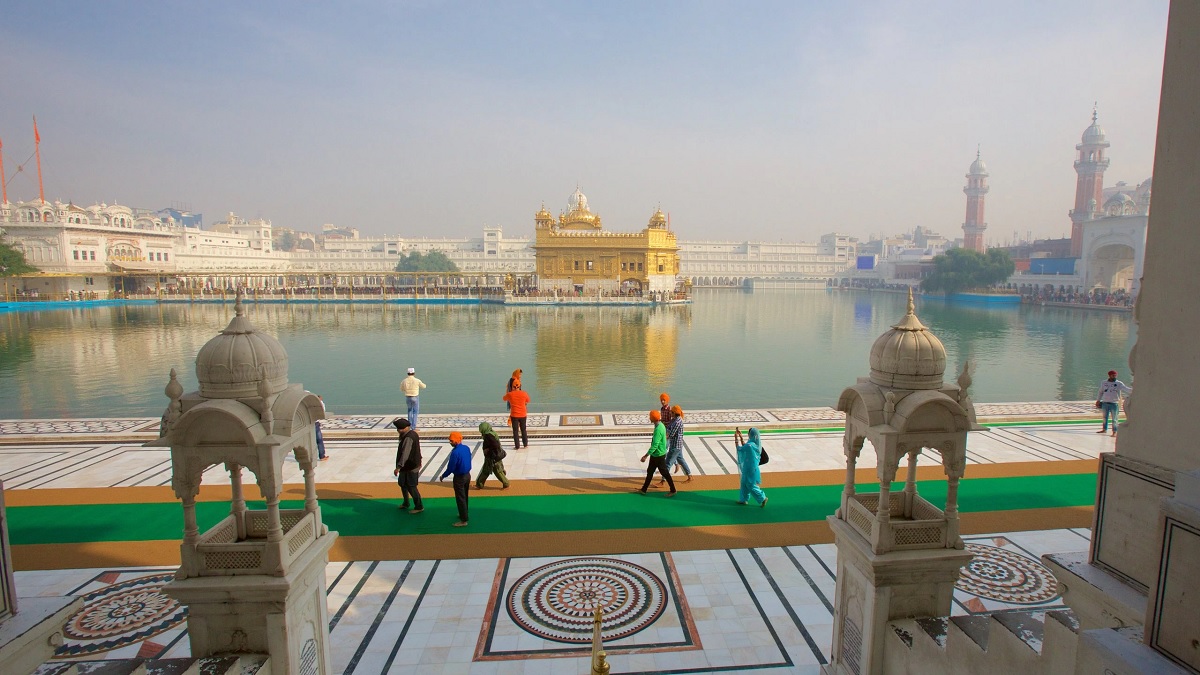
Why it’s special: The Golden Temple (Harmandir Sahib) is one of the most peaceful places in India. Its gold-covered sanctum sits in the middle of a sacred pool. Nearby, Jallianwala Bagh is a memorial to a tragic event in 1919 during the freedom struggle. Top Historical Places in Amritsar for Kids and Families
What to see: The causeway to the temple, community kitchen (langar) where volunteers serve free meals, and the complex lit up at night. At Jallianwala Bagh, the memorial, galleries, and preserved bullet marks.
Family-friendly tip: Cover heads (scarves are available), dress modestly, and wash hands and feet at the entry. Teach children about community service by observing the langar.
How to reach: Amritsar has an international airport and a major railway station. The Golden Temple is in the old city; autos and e-rickshaws work well.
Timings & entry: The Golden Temple is open almost all day and night; there’s no ticket. Jallianwala Bagh has fixed hours and free or nominal entry.
Nearby for families: Wagah–Attari Border ceremony (evening), Partition Museum, and Amritsari kulcha for a treat.
Good to know: Keep the visit calm and respectful. Photography is limited in some inner areas—watch for signs. Best Time to Visit Golden Triangle India for Tourists
Practical Family Travel Tips for North India
Best time to visit: October–March is pleasant for most of North India. April–June can be hot; plan early mornings and evenings. July–September is monsoon—carry rain covers.
What to pack: Light cotton clothes, a warm layer in winter, hats, sunscreen, refillable water bottles, hand sanitizer, and basic medicines. Keep a small first-aid kit.
Getting around: Trains are efficient for intercity travel; for local sightseeing, use cabs, autos, or e-rickshaws. Metro works well in Delhi.
Tickets and fees: Entry fees and timings can change. Always check official or ASI sources a day before. Many places offer child/student discounts—carry ID.
Safety & comfort: Stay hydrated, take shade breaks, and wear comfy shoes. Respect local customs in religious places. Keep emergency contacts and hotel cards handy.
Discover more: Your Delhi-to-Amritsar Travel Made Easy – Click to Know How!
Conclusion
North India’s history is big, bright, and easy to enjoy as a family. Walk through grand gates, listen to river prayers, and watch the sunset on golden walls. With simple planning, these 15 places become a fun, hands-on history lesson your kids will never forget. Happy travels!
You Might Also Like:
- 10-Day North India Travel Itinerary for Families
- Best Places to Visit in North India in September
- North India in July: Weather, Destinations & Activities
- Top Places to Visit in North India in June 2025
- Best North India Destinations to Visit in May
- Best Places to Visit in North India in April 2025
- Top Places to Visit in North India in March 2025
- Most Famous Temples to Visit in North India
- Top North India Destinations for January 2025
- Best Hill Stations to Visit in India in August
- Don’t Miss Out – Start Exploring the Golden Triangle from Delhi Now!