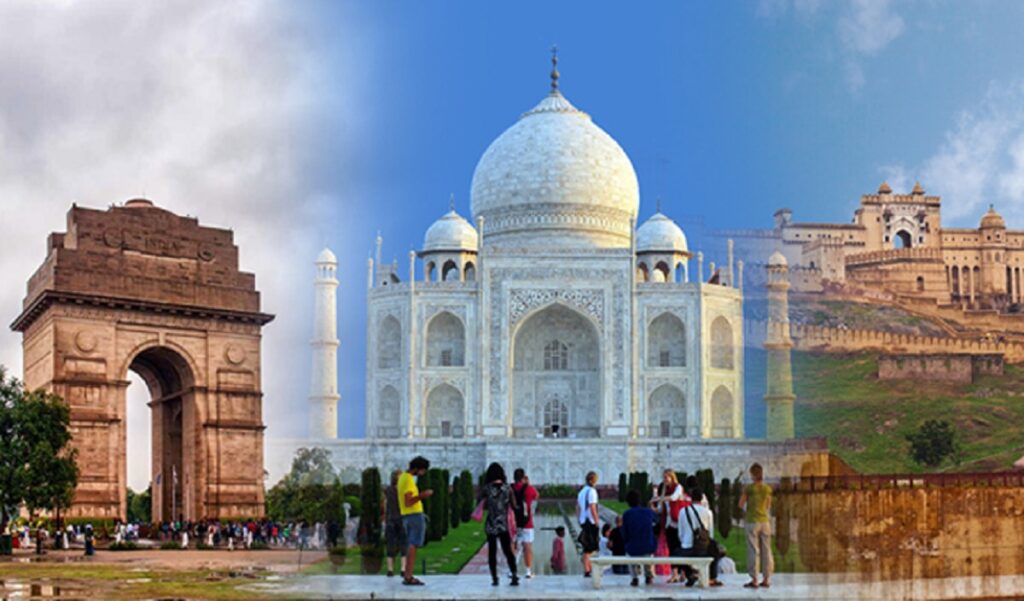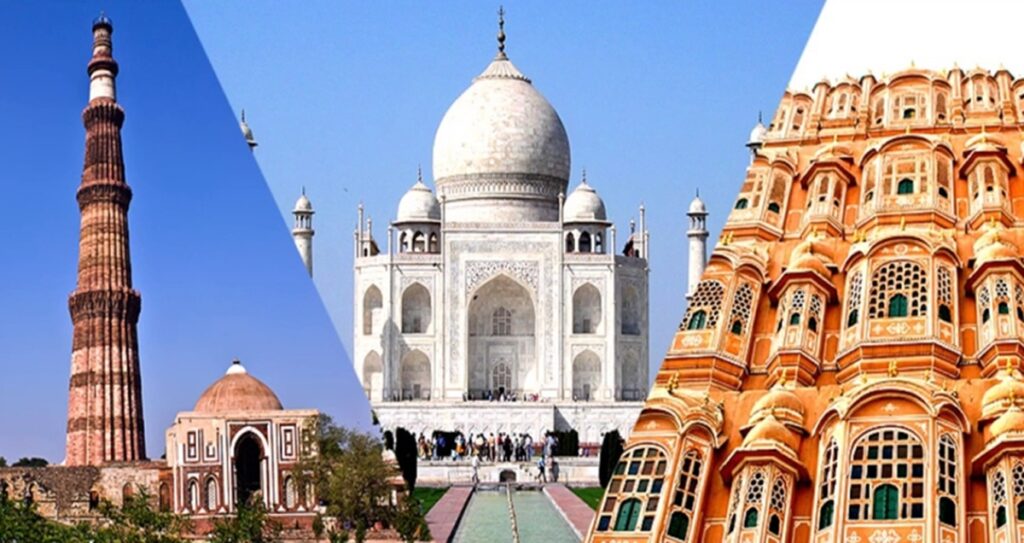
The Golden Triangle India route is one of the country’s most famous travel circuits, connecting Delhi, Agra, and Jaipur. Each city offers a unique blend of history, culture, architecture, and vibrant local life. In this guide, we’ll explore the top attractions you shouldn’t miss when traveling through this iconic route, with detailed insights to help you plan your perfect trip.
Why the Golden Triangle is Special
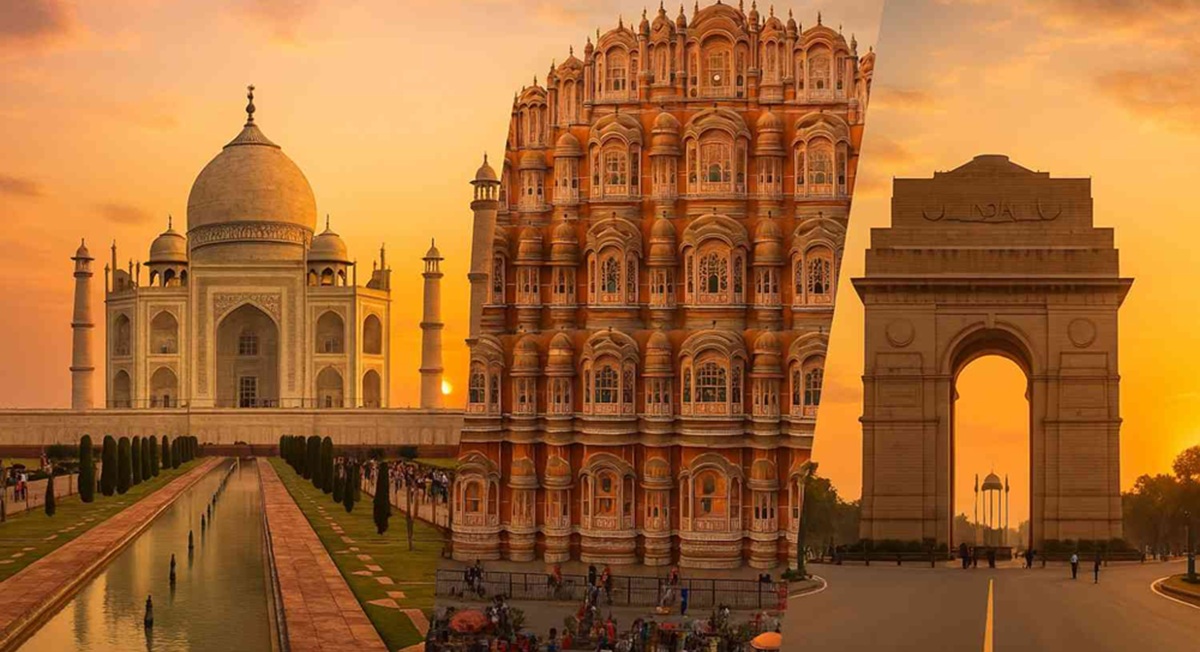
The Golden Triangle covers around 720 km in total, forming a triangle on the map. Each city showcases a different chapter of India’s story:
- Delhi – The capital city blending ancient heritage with modern vibes.
- Agra – The Mughal heartland and home of the Taj Mahal.
- Jaipur – The Pink City, rich in Rajput culture and royal palaces.
Travelers often combine this route with extensions to Ranthambore National Park, Varanasi, or Udaipur. But if you’re focusing on the triangle itself, here’s the ultimate list of attractions.
Suggested Package: Visit 17 Days Rajasthan and Golden Triangle Tour
DELHI – The Gateway to the Golden Triangle
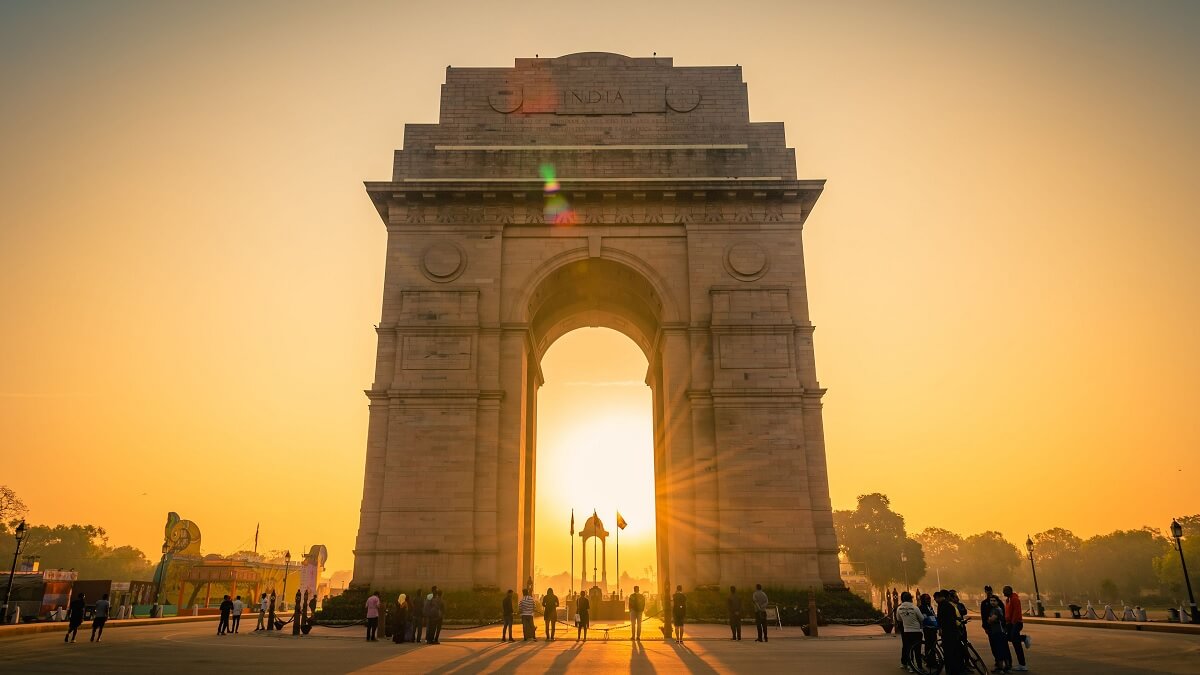
Delhi is where your journey usually begins. The city has two main faces: Old Delhi, with its bustling markets and Mughal monuments, and New Delhi, with colonial-era architecture and spacious boulevards.
1. Red Fort (Lal Qila)
Best for: History lovers and architecture enthusiasts
- About: Built in 1648 by Mughal Emperor Shah Jahan, the Red Fort was the seat of Mughal power for nearly 200 years.
- Highlights: The massive red sandstone walls, Diwan-i-Aam (Hall of Public Audience), Diwan-i-Khas (Hall of Private Audience), and evening light-and-sound shows narrating Mughal history.
- Tips: Closed on Mondays. Arrive early to avoid crowds and heat. Best visited with a guide to understand its rich history.
- Why Visit: It’s a UNESCO World Heritage Site and a symbol of India’s independence celebrations.
2. Jama Masjid
Best for: Experiencing Old Delhi’s spiritual grandeur
- About: Commissioned by Shah Jahan in 1656, Jama Masjid is one of India’s largest mosques.
- Highlights: Towering minarets, marble domes, and the vast courtyard that can hold 25,000 worshippers.
- Tips: Modest clothing is required; scarves are available for women. Climb the southern minaret for panoramic views of Old Delhi.
- Why Visit: A stunning example of Mughal architecture and a peaceful escape from Old Delhi’s chaos.
3. India Gate & Rajpath
Best for: Evening strolls and photography
- About: India Gate is a war memorial dedicated to 82,000 soldiers of the Indian Army who died in World War I.
- Highlights: The 42-metre-high arch, Amar Jawan Jyoti (eternal flame), and the surrounding lawns lit up at night.
- Tips: Visit at sunset for a golden glow on the monument. Combine with a drive past Rashtrapati Bhavan and Parliament House.
- Why Visit: It’s Delhi’s most iconic open-air landmark.
4. Qutub Minar
Best for: History buffs and UNESCO site collectors
- About: Standing 73 meters tall, Qutub Minar is the tallest brick minaret in the world, built in 1193 by Qutb-ud-din Aibak.
- Highlights: Intricate carvings, the Iron Pillar (which never rusts), and nearby Mehrauli Archaeological Park.
- Tips: Early morning is quieter; combine with a visit to nearby cafes for breakfast.
- Why Visit: A masterpiece of Indo-Islamic architecture.
5. Humayun’s Tomb
Best for: Architecture lovers and photographers
- About: Built in 1570, Humayun’s Tomb is often seen as a precursor to the Taj Mahal due to its similar Persian-style design.
- Highlights: Symmetrical gardens, red sandstone façade, and peaceful surroundings.
- Tips: Come during winter mornings for misty, atmospheric shots.
- Why Visit: Another UNESCO World Heritage Site that captures Mughal elegance.
AGRA – The Mughal Marvel
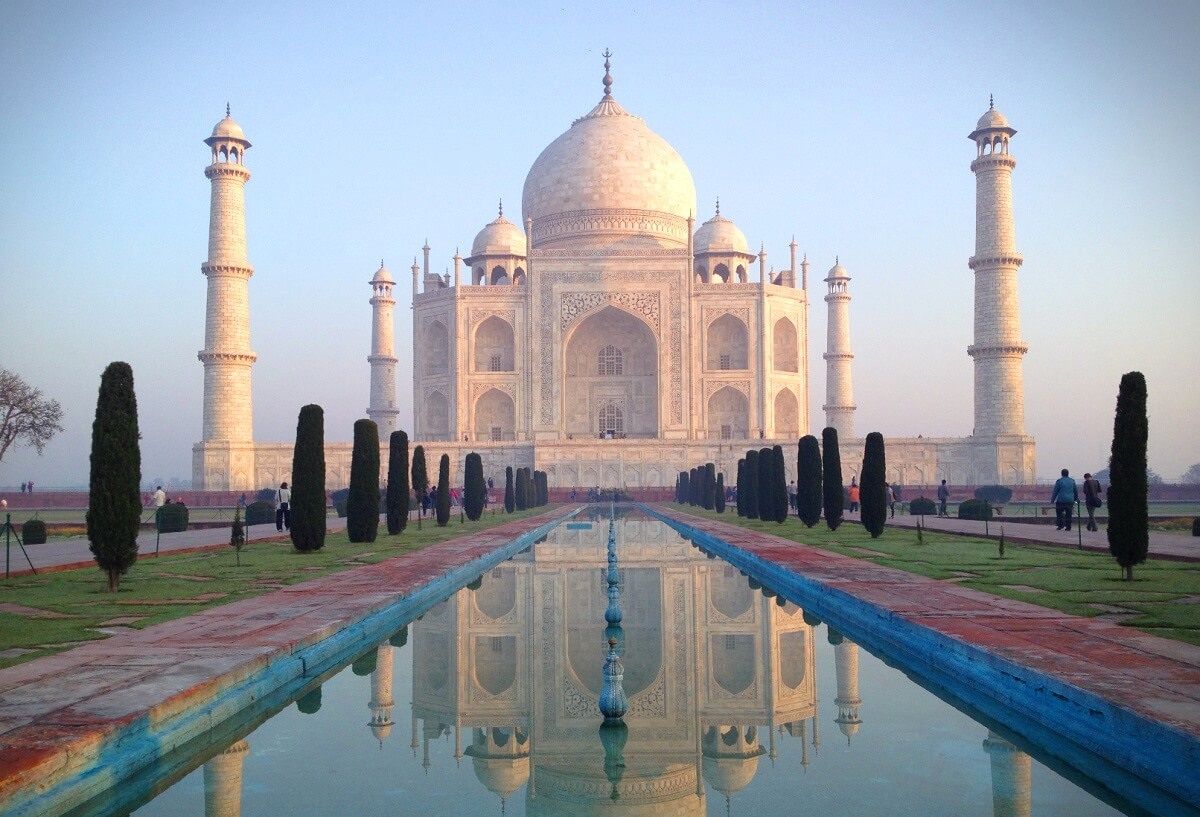
Agra is synonymous with the Taj Mahal, but the city has far more to offer. It’s a city where Mughal artistry reached its peak.
6. Taj Mahal
Best for: Everyone – it’s a bucket-list icon
- About: Built between 1632–1653 by Shah Jahan as a mausoleum for his wife Mumtaz Mahal.
- Highlights: White marble beauty, changing hues at sunrise and sunset, intricate inlay work with semi-precious stones.
- Tips: Closed on Fridays. Arrive before sunrise to see fewer crowds and the soft morning light.
- Why Visit: It’s a wonder of the world and a symbol of eternal love.
7. Agra Fort
Best for: History and panoramic views of the Taj Mahal
- About: A massive 16th-century fort built by Emperor Akbar, later renovated by Shah Jahan.
- Highlights: Diwan-i-Khas, Musamman Burj (where Shah Jahan was imprisoned), and Jahangiri Mahal.
- Tips: Wear comfortable shoes; it’s a large complex with lots of walking.
- Why Visit: Offers a fascinating look at Mughal military and palace life.
8. Mehtab Bagh
Best for: Sunset photographers
- About: A Mughal garden located directly across the Yamuna River from the Taj Mahal.
- Highlights: Perfectly aligned views of the Taj, especially during sunset.
- Tips: Bring a tripod for evening photography. Less crowded than the Taj Mahal complex.
- Why Visit: It’s the best spot for symmetrical Taj views without the entry rush.
9. Tomb of Itimad-ud-Daulah
Best for: Those who love hidden gems
- About: Often called the “Baby Taj,” this mausoleum predates the Taj Mahal and features intricate marble inlay work.
- Highlights: Delicate carvings, peaceful gardens, and fewer crowds.
- Tips: Visit before noon for the best lighting on the façade.
- Why Visit: An architectural jewel with a serene ambiance.
10. Fatehpur Sikri
Best for: History lovers and day trippers
- About: A former Mughal capital built by Akbar in 1571, abandoned after just 14 years due to water shortages.
- Highlights: Buland Darwaza, Jama Masjid, Panch Mahal, and the palace complex.
- Tips: Carry water; the open courtyards can get very hot.
- Why Visit: A UNESCO World Heritage Site frozen in time.
Suggested Package: Explore Golden Triangle Tour Packages
JAIPUR – The Pink City
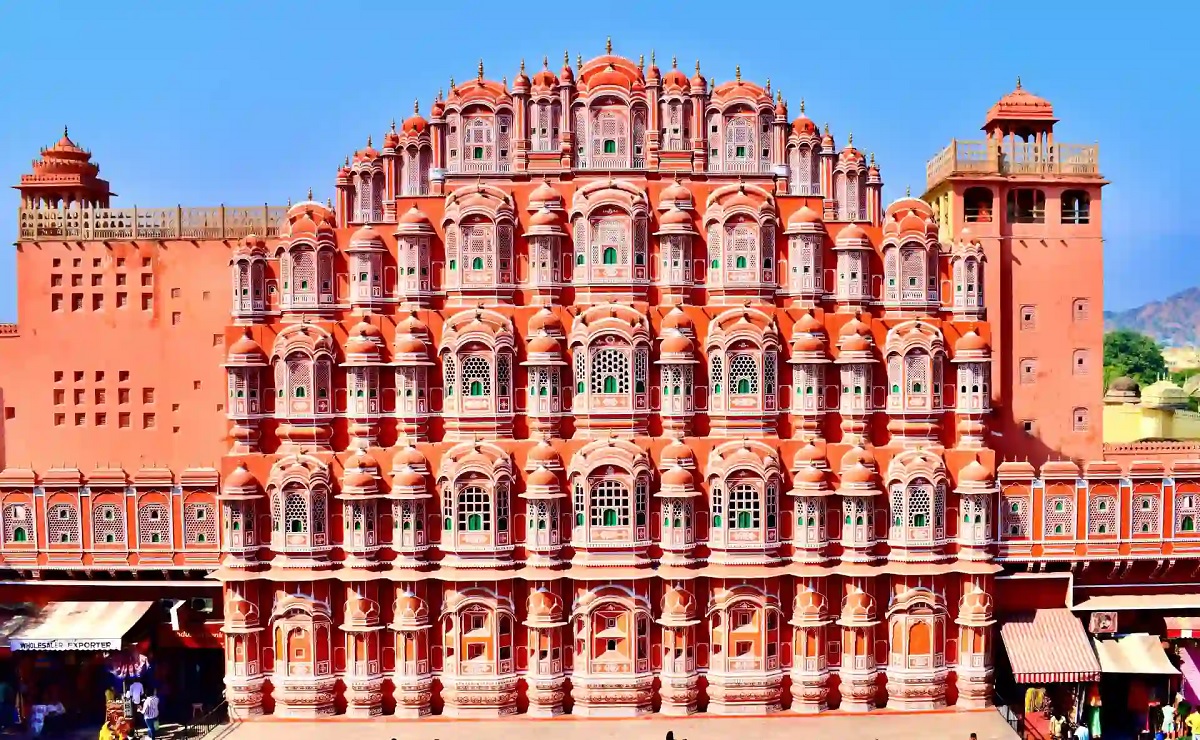
Jaipur is the colorful capital of Rajasthan, blending royal heritage with lively bazaars.
11. Amber Fort
Best for: Royal architecture lovers
- About: Located 11 km from Jaipur, Amber Fort is a fusion of Mughal and Rajput styles.
- Highlights: Sheesh Mahal (Mirror Palace), Ganesh Pol, and panoramic hill views.
- Tips: Visit early to avoid crowds; consider taking the jeep instead of the elephant ride for ethical reasons.
- Why Visit: A fairytale fort with dazzling interiors.
12. City Palace
Best for: Learning about Jaipur’s royal family
- About: Built by Maharaja Sawai Jai Singh II, the City Palace is still partly a royal residence.
- Highlights: Chandra Mahal, Mubarak Mahal, and museum collections.
- Tips: Buy the composite ticket if you also plan to visit Jantar Mantar nearby.
- Why Visit: Offers insight into Jaipur’s regal lifestyle.
13. Hawa Mahal
Best for: Iconic photo spots
- About: The “Palace of Winds” with its 953 small windows (jharokhas) was built for royal women to watch street festivals unseen.
- Highlights: Honeycomb façade, views from the street, and the inside courtyard.
- Tips: Best lit in the morning.
- Why Visit: One of Jaipur’s most photographed landmarks.
14. Jantar Mantar
Best for: Science and astronomy fans
- About: A UNESCO-listed observatory built in 1734 by Maharaja Sawai Jai Singh II.
- Highlights: Samrat Yantra (giant sundial) and other astronomical instruments.
- Tips: Hire a guide to understand how the instruments work.
- Why Visit: A fascinating mix of science, history, and art.
15. Nahargarh Fort
Best for: Sunset views over Jaipur
- About: Built in 1734, Nahargarh Fort offers panoramic views of the Pink City.
- Highlights: Step walls, palace rooms, and rooftop cafés.
- Tips: Sunset is the best time to visit; carry a light jacket in winter evenings.
- Why Visit: A relaxed, scenic end to your Jaipur trip.
Alright — let’s complete the Golden Triangle India route guide with everything a traveler would need:
Best Time to Visit the Golden Triangle
The Golden Triangle is a year-round destination, but the best time to visit is from October to March when the weather is pleasant for sightseeing.
- Winter (October–March):
Cool temperatures (8°C to 25°C) make it perfect for exploring forts, palaces, and outdoor markets. This is the peak tourist season, so expect more crowds and higher hotel rates. - Summer (April–June):
Hot and dry, with temperatures reaching up to 45°C. While sightseeing can be challenging during the day, you’ll find fewer crowds and discounted rates. - Monsoon (July–September):
Rain brings lush greenery but also humidity. It’s a good time for photography, especially in Jaipur and Delhi gardens, but you’ll need to plan around showers.
Tip: If you’re combining your trip with Ranthambore National Park, avoid visiting in July–September as it’s closed for the monsoon.
Read Also: Best 11 Hill Stations to Visit This October explore Guide
How to Travel Between Golden Triangle Cities
The Golden Triangle cities are well connected by road, train, and air.
By Road (Most Popular)
Delhi → Agra: ~3–4 hours via Yamuna Expressway
Agra → Jaipur: ~4–5 hours via NH21
Jaipur → Delhi: ~5–6 hours via NH48
Private car with driver is the most comfortable and flexible option.
By Train
High-speed trains like Gatimaan Express (Delhi–Agra in 1 hr 40 min)
Shatabdi Express and Rajdhani trains connect all three cities efficiently.
By Air
-
- Jaipur and Delhi have international airports; Agra has a smaller domestic airport.
- Flights save time but are often less convenient than road/train for short distances.
Pro Tip: Many travelers do the route Delhi → Agra → Jaipur → Delhi in 5–7 days.
Suggested Golden Triangle Itinerary (7 Days)
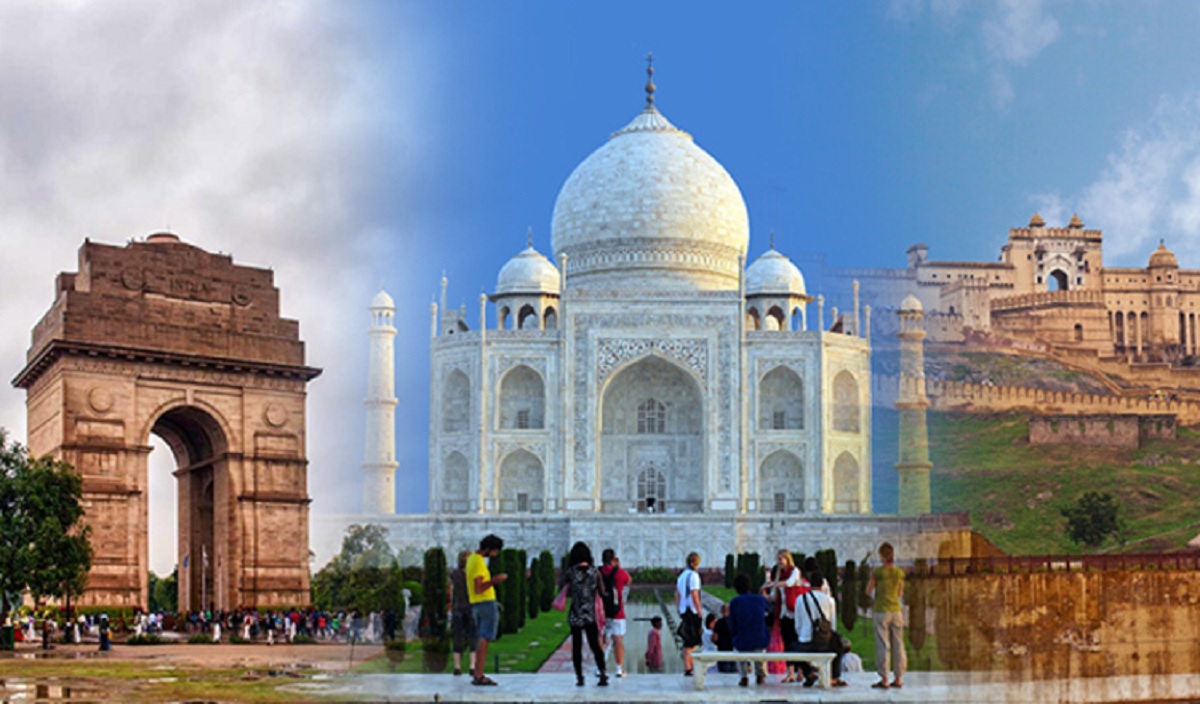
Day 1: Arrive in Delhi – Evening stroll at India Gate
Day 2: Explore Red Fort, Jama Masjid, Qutub Minar, Humayun’s Tomb
Day 3: Delhi to Agra – Visit Agra Fort & Mehtab Bagh
Day 4: Sunrise at Taj Mahal, drive to Jaipur via Fatehpur Sikri
Day 5: Jaipur sightseeing – Amber Fort, City Palace, Hawa Mahal
Day 6: Jaipur – Jantar Mantar, Nahargarh Fort, shopping in local bazaars
Day 7: Return to Delhi – Free time before departure
Local Food Highlights in the Golden Triangle
Exploring the Golden Triangle is incomplete without tasting its local flavors.
Delhi:
- Old Delhi street food – parathas, chole bhature, kebabs at Karim’s
- Modern cafés in Connaught Place and Hauz Khas
Agra:
- Famous Agra Petha (sweet made of ash gourd)
- Mughlai delicacies like tandoori chicken and mutton korma
Jaipur:
- Dal Baati Churma, Ghewar, and spicy Laal Maas
- Rooftop dining with fort views
Shopping in the Golden Triangle
If you love souvenirs, the Golden Triangle is a paradise:
- Delhi: Chandni Chowk for traditional textiles and jewelry; Dilli Haat for handicrafts from all over India
- Agra: Marble inlay work, leather goods, and miniature Taj replicas
- Jaipur: Gemstones, blue pottery, block-printed fabrics, and Rajasthani puppets
Read Also: Guide for visit Buland Darwaza, Fatehpur Sikri Interesting Facts
Travel Tips for First-Time Visitors
- Book tickets in advance for major monuments, especially the Taj Mahal.
- Dress modestly when visiting religious sites.
- Stay hydrated and wear sunscreen in summer months.
- Use official guides to get accurate historical insights.
- Be cautious of overpriced souvenirs and agree on taxi fares beforehand.
FAQs – Golden Triangle India Route
1. What is the Golden Triangle in India?
It’s a popular tourist circuit connecting Delhi, Agra, and Jaipur, forming a triangular route on the map.
2. How many days are enough for the Golden Triangle?
A 6–7 day trip is ideal for covering all major attractions comfortably.
3. Which city should I start from?
Most travelers start in Delhi due to its major international airport.
4. Is the Golden Triangle safe for solo travelers?
Yes, but follow standard precautions like avoiding isolated areas at night and using trusted transport services.
5. Can I visit the Taj Mahal on a day trip from Delhi?
Yes, high-speed trains and the Yamuna Expressway make it possible to do a same-day return trip.
6. What’s the best way to travel between the cities?
A private car with driver offers the most comfort and flexibility.
7. Are guided tours recommended?
Yes, especially for first-time visitors who want deep historical and cultural context.
8. Can I combine the Golden Triangle with other destinations?
Yes, popular extensions include Ranthambore, Varanasi, Udaipur, and Pushkar.
9. Is there an entry fee for major attractions?
Yes, and foreign visitor fees are higher than domestic. The Taj Mahal entry is around ₹1300 for foreigners.
10. What is the best time to photograph the Taj Mahal?
Sunrise offers soft golden light and fewer tourists for stunning shots.
You Might Also Like:
- Golden Triangle Tour Duration – How Many Days You Really Need
- Golden Triangle India – Monuments, Fees, Activities & Costs
- Top 10 Trending Indian Travel Destinations in 2025
- Best Tourist Spots near Noida Within 200 km
- Essential Tips for Planning a Family Trip to India
- Taj Mahal Travel Guide – Dos and Don’ts for Visitors
- 20 Best Heritage Towns in India to Explore
- Best Time to Visit Golden Triangle India for Tourists
- How to Plan a Golden Triangle Itinerary (4, 5, 6, or 7 Days)
- Discover Safety Tips for the India Golden Triangle – Travel Confidently
- Want a Deeper Cultural Experience? Explore the Golden Triangle Guides!
- Golden Triangle Itinerary? Visa Information You Must Know!
- Don’t Miss India’s Golden Triangle – Follow This 4-7 Day Itinerary!
- Discover the Best Routes to the Golden Triangle – Click Here!