Set amidst the semi-arid plains of Andhra Pradesh, the Lepakshi Temple is more than just a spiritual site—it’s a stone-carved storybook of South Indian heritage. Located in the small village of Lepakshi in the Anantapur district, this 16th-century architectural marvel is dedicated to Lord Veerabhadra, a fierce form of Lord Shiva. But what draws travelers from across India and the world isn’t just its religious significance—it’s the blend of legend, sculpture, architecture, and mystery.
From the hanging pillar that defies gravity, to some of India’s finest examples of Vijayanagara architecture, the temple complex is a living museum of mythology and ancient science. It’s also one of the very few temples built during the Vijayanagara Empire that has remained structurally intact.
Lepakshi Temple is a perfect weekend trip from Bangalore (around 125 km) and also draws interest from pilgrims visiting nearby temples in southern Andhra Pradesh. If you’re planning heritage-based road trips similar to those in Hampi or Badami, this temple is a must-add to your itinerary.
Where is Lepakshi Temple?
- Location: Lepakshi Village, Anantapur District, Andhra Pradesh
- Altitude: ~480 meters above sea level
- Coordinates: 13.8050° N, 77.5946° E
- Nearest City: Hindupur (15 km), Bangalore (125 km)
Lepakshi is situated right near the Andhra Pradesh–Karnataka border, making it easily accessible from Bangalore, Puttaparthi, and Penukonda.
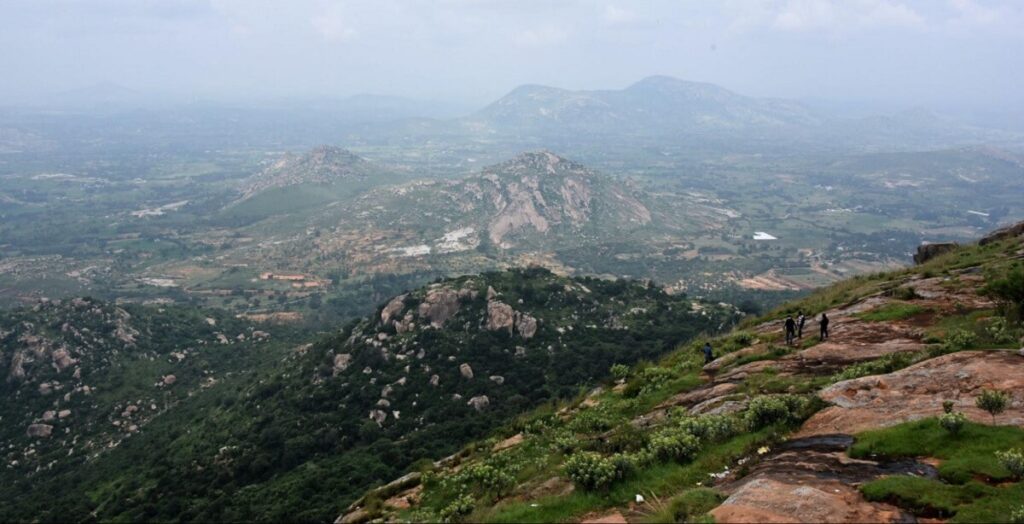
Its position on the southern Deccan plateau gives it an arid, rocky charm, with large granite boulders and sparse shrubbery forming a stark but stunning backdrop for the ornately carved temple. Experience Andhra Pradesh in 13 Days – Full Tour Itinerary
How to Reach Lepakshi Temple
By Road (Best Option for Most Visitors)
- From Bangalore (Karnataka):
Distance: 125 km | Time: 3 hours
Route: Bangalore → Yelahanka → Devanahalli → Chikkaballapur → Lepakshi
Roads are excellent. Plenty of highway-side restaurants (Kamat, Café Coffee Day) on NH44. - From Hyderabad (Andhra Pradesh):
Distance: 480 km | Time: 8–9 hours
Route: Hyderabad → Kurnool → Anantapur → Lepakshi
By Train
- Nearest Station: Hindupur (15 km away)
Frequent trains from Bangalore, Guntakal, and Anantapur stop here.
From the station, you can take an auto-rickshaw or a local taxi.
Travel By Air
- Nearest Airport: Kempegowda International Airport, Bangalore (110 km)
From here, take a cab or rented car.
For road trip lovers, it’s a perfect pairing with our guide on Delhi to Nainital Road Trip—but this time in the southern part of the country.
Temple Layout & Architecture

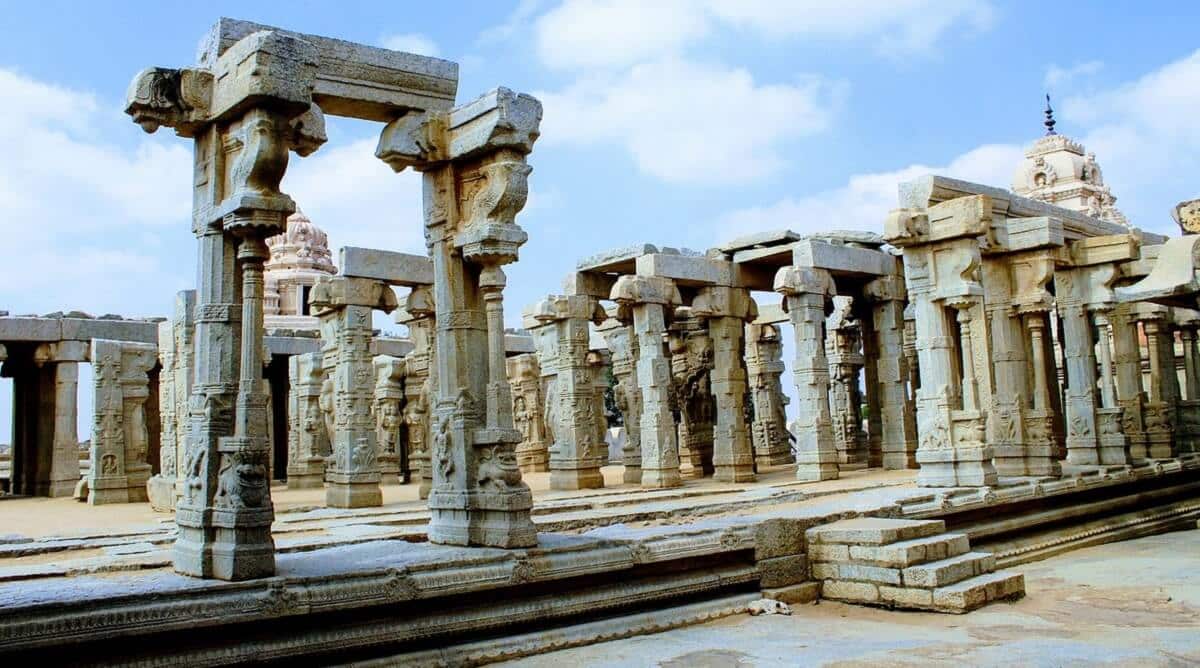
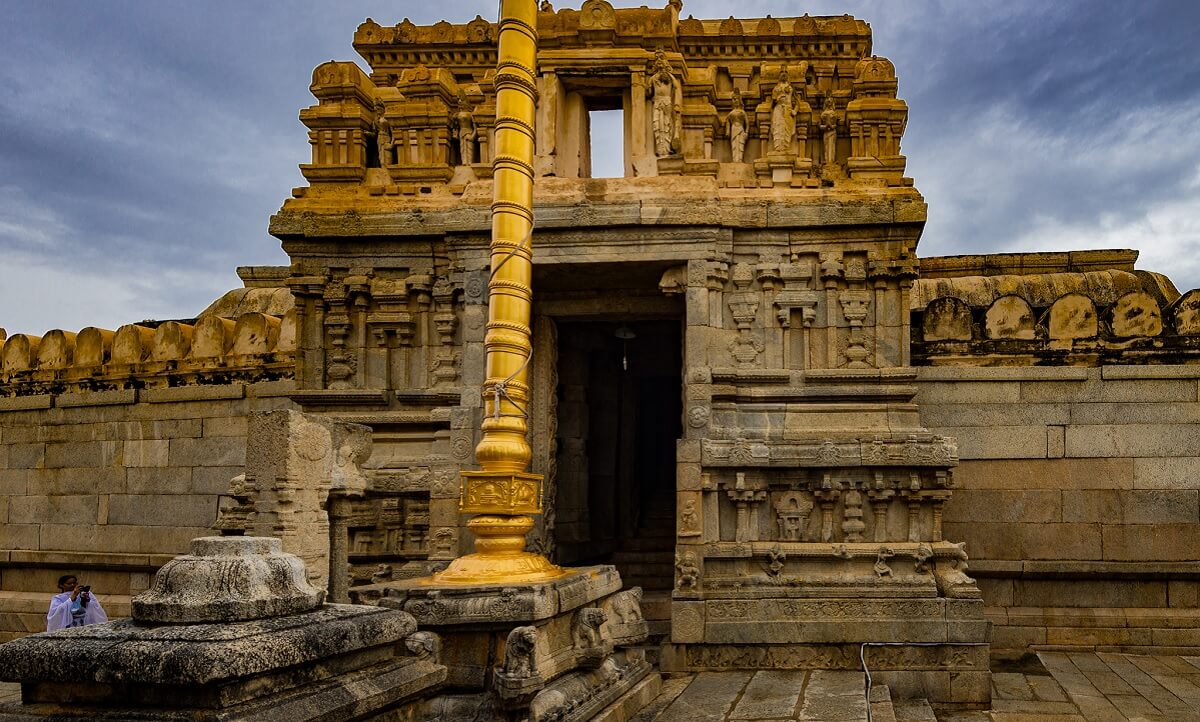
Lepakshi Temple is a masterclass in Dravidian-style architecture, with carvings, inscriptions, murals, and mythological motifs spread across its courtyards and pillars. Built by Viranna and Virupanna, two brothers serving under King Achyuta Deva Raya of the Vijayanagara dynasty, the temple was constructed in the early 16th century (circa 1530–1540 CE). Join the 11-Day Temple Tour of Andhra Pradesh – Sacred Trail Awaits
Main Features of the Temple Complex:
- Mukha Mantapa (Assembly Hall):
The grand entrance leads you into the open-pillared hall where visitors can witness detailed carvings of dancers, musicians, sages, and gods. These pillars reflect the artistic finesse of the Vijayanagara sculptors, particularly with their 3D depth and storytelling elements. - Ardha Mantapa & Garbhagriha:
This central sanctum houses the main deity – Veerabhadra, flanked by life-sized sculptures of Ganesha, Bhadrakali, Shiva, and Vishnu. The sanctum walls are thick and cool, and the ceiling above is adorned with frescoes depicting celestial beings. - Hanging Pillar:
Perhaps the most famous feature, this pillar doesn’t touch the ground completely. Tourists often slide paper or cloth beneath it—a mystery yet to be explained by science. - Naga Linga & Shivalinga:
Outside the main hall, you’ll find a monolithic serpent coiled around a giant Shiva Linga—a breathtaking visual that showcases the mastery of stone artisanship. - Giant Nandi Statue (Basavanna):
Located about 200 meters before the main temple, this 15-foot-long and 27-foot-wide granite bull is said to be India’s largest Nandi monolith. Book Your 10-Day Andhra Pradesh Tour – Explore Culture & Nature
Mythology & Legends of Lepakshi
The stories surrounding Lepakshi Temple are just as fascinating as its architecture. The name “Lepakshi” itself is believed to be derived from the Telugu phrase “Le Pakshi!”, meaning “Rise, bird!” — a reference to the epic Ramayana.
The Legend of Jatayu
It is believed that the mythical bird Jatayu, who tried to stop Ravana from abducting Sita, fell mortally wounded at this very spot. When Lord Rama arrived and found the dying bird, he compassionately said, “Le Pakshi”, blessing it to rise and attain salvation. This moment sanctified the land, and the place came to be known as Lepakshi.
The Tale of the Blinded Builder
Another local legend speaks of Virupanna, one of the temple’s builders. As per lore, he used royal funds to complete the temple while the king was away. Upon return, the furious king ordered him to be blinded. In remorse and protest, Virupanna is said to have blinded himself, and to this day, two dark spots on the temple wall are believed to be his blood stains.
These mythological and emotional layers make Lepakshi more than a heritage site — it’s a pilgrimage of stories, sacrifice, and devotion, much like the lesser-known pilgrimage circuits in India.
Best Time to Visit Lepakshi
Lepakshi experiences a hot semi-arid climate, so the timing of your visit is crucial for comfort and enjoyment.
October to February (Winter – Best Time)
- Ideal season with temperatures ranging from 18°C to 28°C.
- Great for photography, long temple walks, and exploring nearby attractions.
- Clear skies enhance the natural light for architectural shots.
March to May (Spring to Early Summer)
- Can get very hot, with daytime temperatures above 35°C.
- Early mornings and late evenings are the only comfortable times.
- Still manageable if you’re combining with a road trip from Bangalore.
June to September (Monsoon)
- Expect humid conditions and occasional showers.
- The granite floor can get slippery.
- The surrounding landscape turns lush, offering a different charm.
If you’re a monsoon traveler, you may also want to plan detours to nearby Chikballapur or Nandi Hills, similar to those listed in our post on July rainy getaways near Delhi.
Photography Tips & Best Angles
For photographers, Lepakshi is a goldmine of textures, symmetry, scale, and natural light. Whether you’re a smartphone shooter or a DSLR enthusiast, here are some tips to get your best shots:
Must-Capture Angles
- Hanging Pillar Test:
Capture a local guide or visitor sliding paper beneath the floating pillar — a shot that blends architecture with legend. - Naga Linga Monolith:
Shoot from a low angle to capture the serpent hood towering over the Shiva Linga with the sky as backdrop. - Ceiling Frescoes:
Use wide-angle lenses or vertical panorama to photograph the faded but vibrant murals, especially in the Ardha Mantapa. - Giant Nandi Statue:
Capture during golden hour (sunrise or sunset) for dramatic shadows on the massive bull sculpture.
General Tips:
- Visit early morning for soft light and fewer crowds.
- Use a tripod for long exposure shots inside dim halls.
- Avoid harsh mid-day light unless photographing architectural shadows.
Pair this with photo-focused destinations like Himachal Pradesh’s best photo spots, and you’ll build a strong India heritage photo portfolio.
Local Shopping & Food Experiences
Lepakshi village is small and quiet, but it still offers authentic experiences for curious travelers.
What to Shop:
- Lepakshi Handicrafts:
Visit the local emporium or Lepakshi showroom (run by Andhra Pradesh Handicrafts Development Corporation) for Kalamkari paintings, wooden toys, and handmade textiles. - Brass and Stone Idols:
Small artisan stalls near the temple often sell miniature Nandi idols, wooden carvings, and brass pooja items—great for souvenirs.
What to Eat:
- Temple Prasadam is simple and sattvic — usually laddus or rice offerings.
- A few small eateries and dhabas near the temple serve basic Andhra thali, idli-dosa, and lemon rice.
- For a full meal, Hindupur (15 km) offers more dining options.
If you’re on a heritage road trip from Bangalore, you can stop at Devanahalli or Chikkaballapur on the way, which offer cafes and local food stops, similar to routes in our Bangalore to Ooty guide.
Great! Let’s continue your comprehensive travel guide on:
Complete Travel Guide – Lepakshi Temple, Andhra Pradesh

Where to Stay Near Lepakshi
Lepakshi itself is a small village with limited accommodation options, so most travelers choose to stay in nearby towns or plan a day trip from Bangalore. However, here are your best options for a peaceful and comfortable stay:
Best Places to Stay
- Hindupur (15 km away)
- Budget and mid-range hotels like Hotel Sreenivasa Residency or Hotel PSG Grand offer basic amenities, clean rooms, and local cuisine.
- Ideal for travelers wanting to stay close to the temple.
- Anantapur (120 km away)
- A better option for travelers coming from Hyderabad or central Andhra Pradesh.
- You’ll find larger hotel chains like Treebo Trend, Ritz Comfort, and Hotel Masineni Grand here.
- Bangalore (125 km away)
- Perfect for a weekend heritage getaway. Book accommodations in Devanahalli or Yelahanka on the outskirts for a smoother next-day trip to Lepakshi.
- Use this route if combining Lepakshi with other weekend getaways from Bangalore.
Travel Tip:
Book stays that offer early check-out or breakfast to maximize your temple visit window during cooler morning hours.
If you’re a traveler who appreciates staying near unique natural locations, you might also enjoy our guide on forest resorts in India.
FAQs for First-Time Visitors
Q1. What are the temple’s opening hours?
6:00 AM to 6:00 PM daily. It’s best to visit early morning or post-3 PM to avoid heat.
Q2. Is there an entry fee?
No, entry is free of charge, though donations are appreciated. If you hire a guide, expect to pay ₹200–₹400 depending on group size.
Q3. Can I hire a guide on-site?
Yes. Local guides near the parking lot speak Hindi, Telugu, and some English. They are very helpful in explaining the legends and architecture.
Q4. Is there a dress code?
While no strict dress code is enforced, modest and temple-appropriate attire is recommended (covered shoulders, full pants or long skirts).
Q5. How much time do I need to explore the temple?
You’ll need about 2–3 hours for a full exploration, including photography, walking the full complex, and visiting the Nandi monolith.
Q6. Is it wheelchair-friendly?
Unfortunately, much of the temple has uneven granite flooring, steps, and limited ramps. Accessibility is limited for wheelchair users.
For similar travel-ready FAQs and checklists, don’t miss our post on travel tips for first-time temple visitors.
You Might Also Like:
- Plan Your Perfect Weekend Getaway from Bangalore
- Discover Remote Monasteries in Spiti Valley – Hidden Gems Await
- Explore Khajuraho’s Temples – Spiritual Art You Must See
- Visit Rani ki Vav – Uncover Gujarat’s Stepwell Marvel
- Book Stunning Nature-Inspired Stays Across India
- Follow Essential Travel Tips for Visiting the Taj Mahal
- Ride the Scenic Araku Valley Train – Timings, Fares & Views
- Get Ready for Tirupati Balaji Darshan – 2026 Booking Guide
- Find the Best Time to Visit Tirupati – Travel Smart in 2026
- Plan a Perfect Weekend Trip to Visakhapatnam – Top Things to Do
- Taste the Best South Indian Food – Must-Try Dishes for 2026
- Visit Top 7 Waterfalls Near Chennai – Weekend Adventure Guide
- Find the Best Route to Horsley Hills from Bangalore
- Explore Horsley Hills – Don’t Miss These Top Spots
- Visit Borra Caves – Complete Travel Guide & Facts
- How to Reach Tirupati Balaji Temple by Train from Delhi – Plan Your Journey Now!